Electrical Safety for Dogs at Home: Keeping Our Dogs Shock-Free!

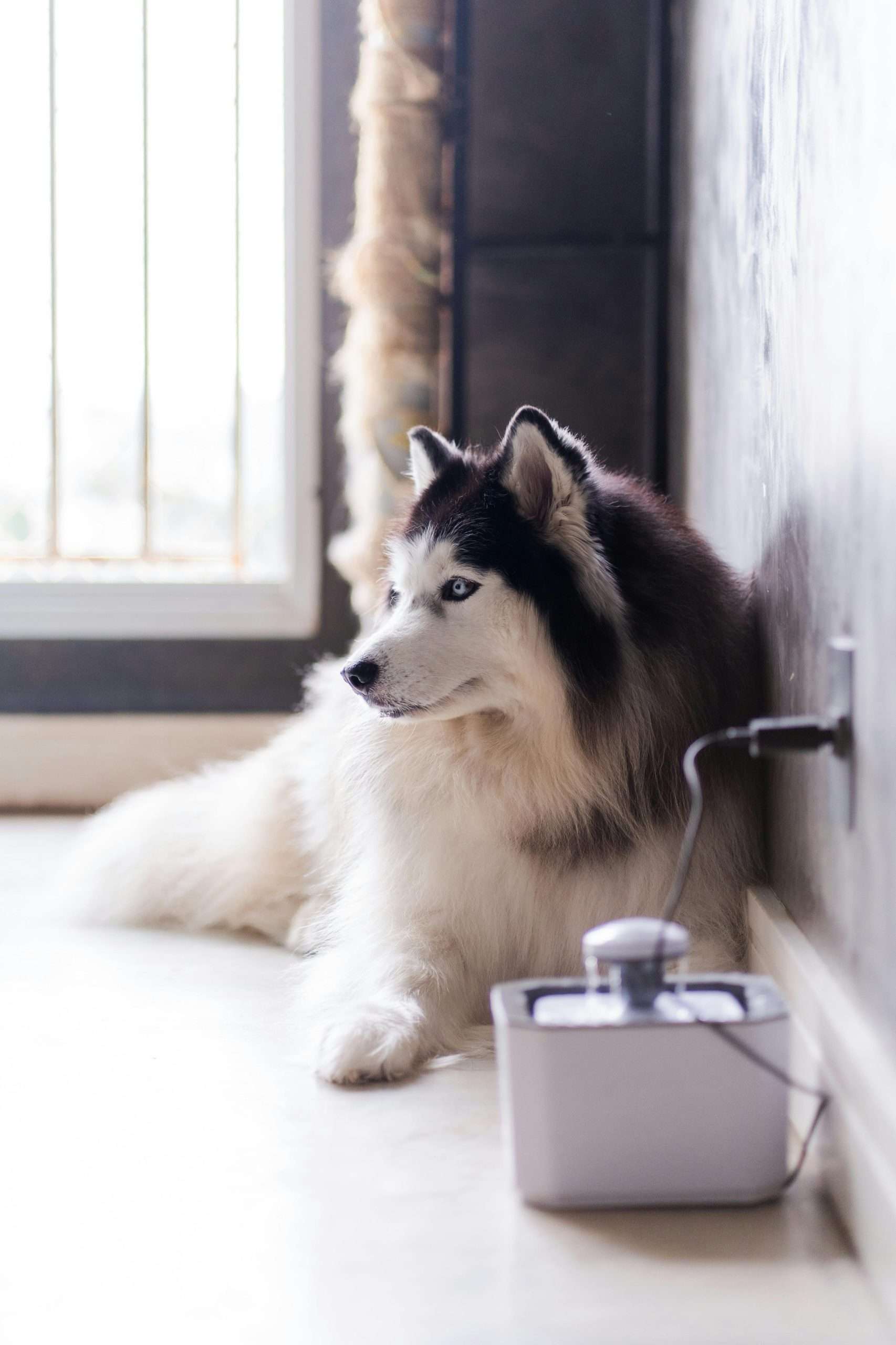
Dogs are naturally curious creatures, and while their playful nature brings joy to our homes, it can also expose them to various dangers, including electrical hazards. Many pet owners focus on keeping their homes safe for children but often overlook the risks that electrical appliances and cords pose to their furry friends. Ensuring electrical safety for dogs is crucial to preventing accidents such as electric shocks, burns, or even fires caused by chewed wires.
This guide covers everything you need to know about making your home a safer space for your dog. From identifying common electrical hazards to implementing simple safety measures, these tips will help protect your pet from electrical dangers.

Understanding Electrical Hazards for Dogs
Why Electrical Safety for Dogs Matters
Just like toddlers, dogs love to explore with their mouths. Electrical cords, outlets, and even small appliances can become unintended chew toys, leading to serious injuries. If a dog bites through an electrical wire, they risk electric shock, burns, and even cardiac arrest in severe cases. Additionally, electrical fires can occur if damaged wiring sparks and ignites surrounding materials. This is why electrical safety for dogs should be a priority in every household with pets.
Common Electrical Hazards at Home
- Chewing on Electrical Cords – Dogs, especially puppies, may find cables appealing to chew on, leading to severe injuries.
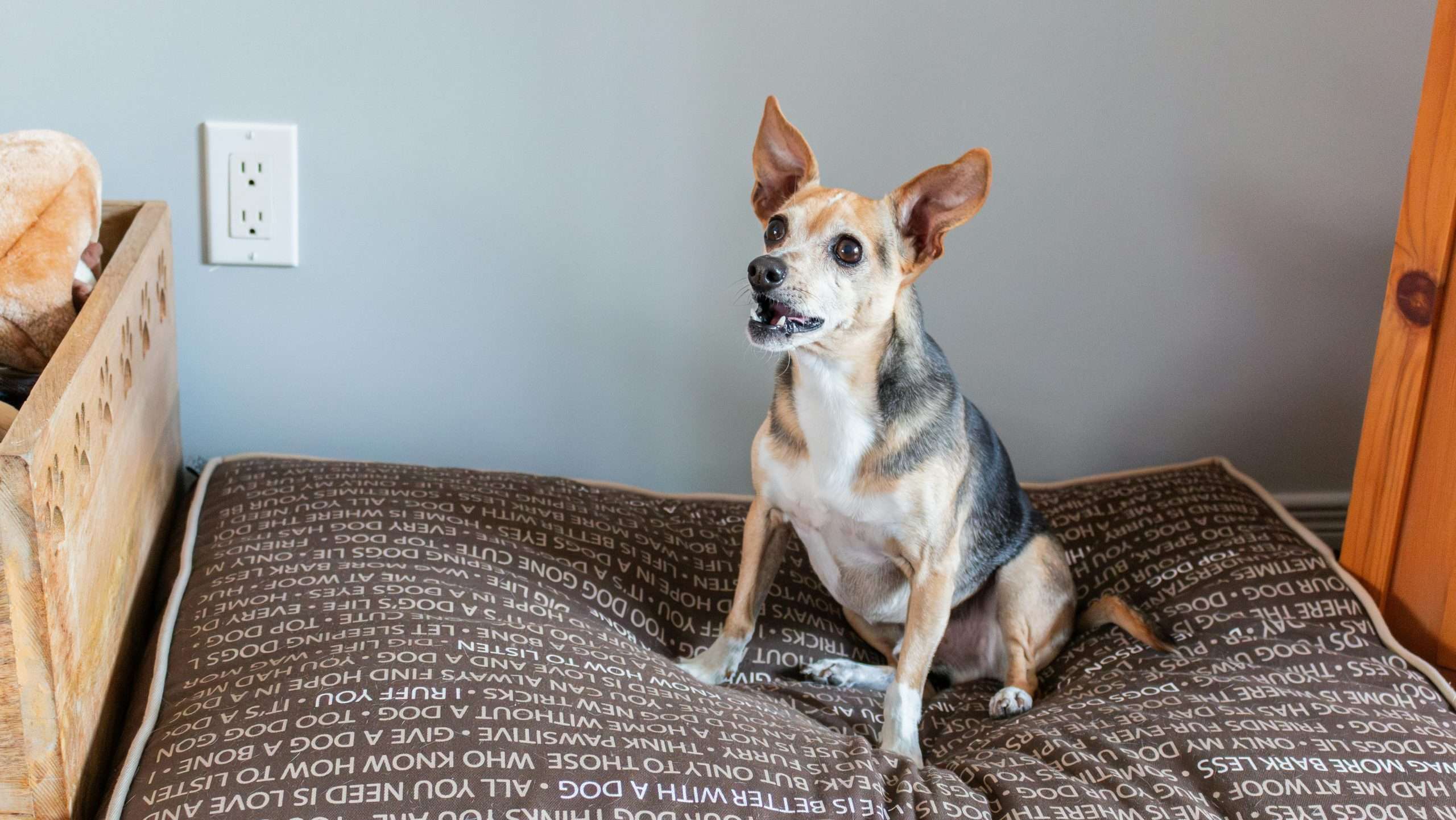
- Exposed Electrical Outlets – Dogs may accidentally lick or paw at uncovered outlets, increasing the risk of electric shocks.
- Unplugged or Loose Wires – Wires that dangle can entice dogs to play with them, potentially causing disconnections or damage.
- Small Appliances – Devices like space heaters, fans, and chargers pose a risk if knocked over or chewed on.
- Outdoor Electrical Equipment – Air conditioners, pool pumps, and decorative lighting can also pose risks if dogs access them.
How to Ensure Electrical Safety for Dogs at Home
1. Keep Electrical Cords Out of Reach
One of the simplest ways to enhance electrical safety for dogs is by ensuring that cords are not easily accessible. Here’s how:
- Run cords behind furniture or along baseboards to prevent dogs from reaching them.
- Use cord covers or plastic tubing to protect exposed wires.
- Consider having a licensed electrician install concealed wiring to minimize visible cables.
- Opt for pet-safe cord protectors made of durable, chew-resistant materials.
2. Use Pet-Proof Electrical Outlet Covers
Exposed electrical outlets can be dangerous if a dog licks them or paws at them with wet fur. Pet-proof outlet covers are an inexpensive solution to this problem. These covers fit securely over unused outlets, preventing accidental contact with live electrical components.
Related reads:
How to Dog-Proof Your Trash Can: Protect Your Pets and Home
3. Unplug Appliances When Not in Use
If you’re not using a device, unplug it. This simple habit can prevent accidental electric shocks, especially if your dog tends to explore areas where appliances are kept. Unplugging also reduces the risk of an appliance overheating or causing an electrical fire. Some additional tips include:
- Store unplugged chargers and devices in cabinets or drawers.
- Avoid leaving dangling cords that might attract a dog’s attention.
- Use surge protectors to prevent power surges that could harm both your appliances and your pet.
4. Train Your Dog to Avoid Electrical Areas
Training plays a significant role in electrical safety for dogs. If your dog has a habit of chewing on cords, consider redirecting their behavior with positive reinforcement:
- Provide plenty of chew toys to keep them occupied.
- Use taste deterrents like bitter sprays on electrical cords to discourage chewing.
- Set up barriers or baby gates to keep dogs away from hazardous areas.
- Reinforce commands such as “leave it” when they go near cords or outlets.
5. Secure Appliances and Electronics
Dogs are known for their bursts of energy, and a playful leap can knock over an appliance, leading to potential hazards. To minimize risks:
- Keep heavy appliances like space heaters and lamps on sturdy surfaces.
- Secure cords with clips or tape to prevent tripping hazards.
- Avoid placing appliances near areas where your dog frequently plays or rests.
6. Install Ground-Fault Circuit Interrupters (GFCIs) & Safety Switches
GFCIs automatically shut off power when they detect an imbalance in electrical currents, which can help prevent serious shocks. Safety switches also offer an added layer of protection by cutting off electricity in the event of an electrical fault. Hiring a professional to install these devices in areas where your pet spends time can enhance electrical safety for dogs significantly.

7. Ensure Outdoor Electrical Safety for Dogs
Outdoor electrical hazards can be just as dangerous as indoor ones. If your dog spends time in the backyard, consider these safety measures:
- Inspect outdoor outlets to ensure they are covered and protected from weather conditions.
- Secure cables for air conditioners, hot water systems, and holiday lighting.
- Relocate electrical equipment if your dog frequently plays near it.
- Never leave extension cords running through areas where dogs have easy access.
Final Thoughts
Keeping your home safe from electrical hazards is just as important for your dog as it is for your family. By taking simple precautions such as securing cords, using outlet covers, unplugging devices, and training your pet to avoid electrical areas, you can significantly reduce the risk of accidents. Additionally, installing safety switches and GFCIs ensures an extra layer of protection.
Prioritizing electrical safety for dogs not only prevents injuries but also gives pet owners peace of mind. If you’re unsure about making these changes on your own, consider consulting a licensed electrician for pet-proofing solutions. After all, a safe dog is a happy dog!
FAQs: Electrical Safety for Dogs
Can dogs get electrocuted by chewing on wires?
Yes, chewing on live wires can lead to severe electric shocks, burns, or even cardiac arrest. This is why cord management is essential for pet safety.
How can I stop my dog from chewing on electrical cords?
Use cord covers, keep cords out of reach, provide plenty of chew toys, and use taste deterrent sprays to discourage chewing.
Are surge protectors safe for homes with dogs?
Yes, surge protectors equipped with GFCI features provide an added layer of safety by preventing electrical surges and reducing shock risks.
What should I do if my dog gets an electric shock?
If your dog suffers an electric shock, do not touch them until you have turned off the power source. Seek immediate veterinary care to assess any injuries.