Early Signs of Aging in Dogs You Shouldn’t Ignore – 2025

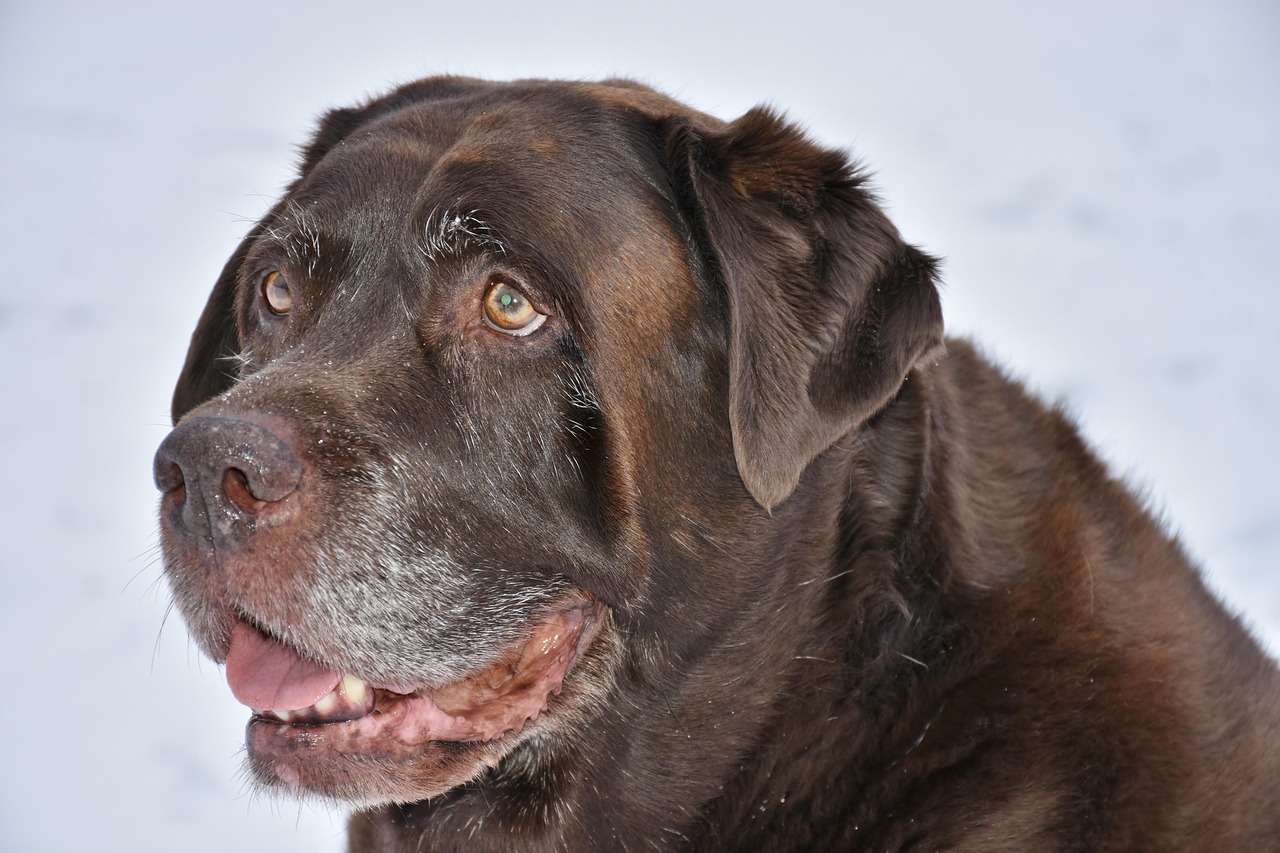
You’ve probably noticed it before – your dog hesitates before jumping on the couch or takes a little longer to get up after a nap. These small, subtle changes can be the first hints of aging in dogs. Just like humans, dogs experience physical and behavioral changes as they grow older. Some are perfectly normal, while others could signal underlying health issues that need attention.
Understanding these early signs can help you catch problems sooner, manage them better, and give your pet the care they deserve in their golden years. Let’s look at how aging in dogs typically appears, what to watch for, and how you can support your furry friend through it all.

What aging in dogs looks like: early, subtle signals
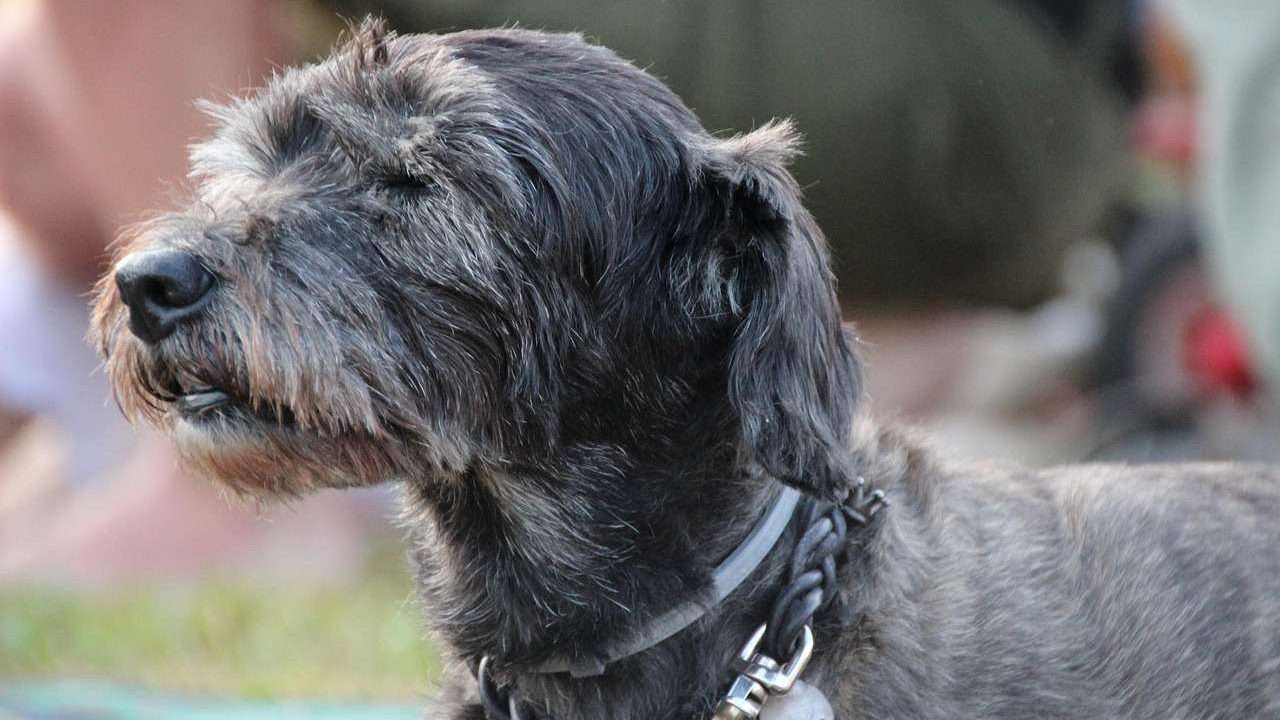
Aging in dogs doesn’t happen overnight. It’s a gradual process that can start as early as six or seven years of age, depending on the breed and size. Smaller breeds tend to age slower and often stay active longer, while larger breeds may show visible signs of aging sooner.
The key is to notice changes early. Most dogs start with mild signs that can easily be mistaken for tiredness or personality shifts. Here’s what to look out for.
Mobility and joint changes
Slower movement is one of the first signs of aging in dogs. Your once-bouncy pup may now take more time climbing stairs or might hesitate before getting into the car. This stiffness is often due to early arthritis or joint wear. You may also notice your dog stretching more after waking up or avoiding long walks.
Gentle, regular exercise and maintaining a healthy weight can help reduce strain on joints. If your dog shows visible discomfort or limping, it’s time for a vet visit. Early intervention with supplements, pain relief, or physiotherapy can greatly improve comfort.
Changes in sleep, energy, and activity level
Another common sign of aging in dogs is a shift in their daily rhythm. Older dogs tend to sleep longer, tire more quickly, and lose interest in high-energy play. This doesn’t mean they’ve lost their zest for life – they’re simply slowing down.
Try shorter, more frequent walks and mentally stimulating games instead of long runs. A sudden drop in activity, however, can also indicate pain, hormonal changes, or illness. If your dog becomes unusually lethargic, consult your vet.
Weight changes: gain or loss can both be warning signs
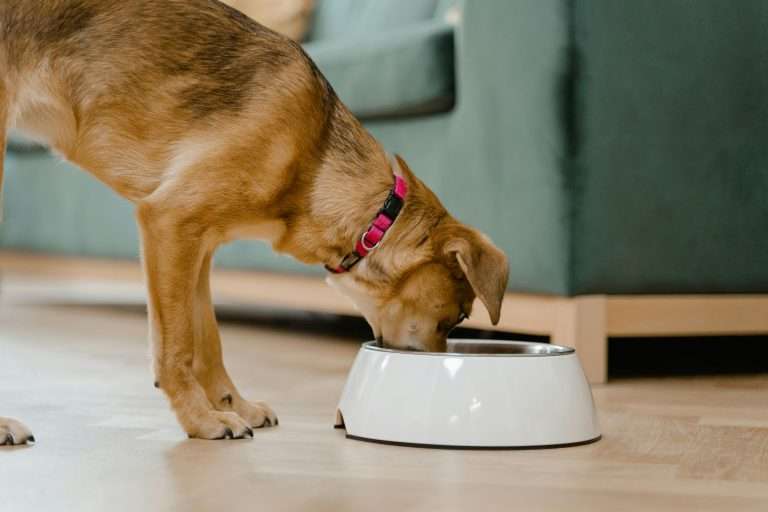
As aging in dogs progresses, metabolism slows. Some dogs gain weight easily, while others lose muscle mass or appetite. Both patterns can be concerning. Unexpected weight gain may suggest hypothyroidism or reduced activity, while weight loss could point to dental problems, poor digestion, or even organ disease.
Keep track of your dog’s weight monthly and adjust diet portions as advised by your vet. Proper nutrition is key to keeping senior dogs healthy and active.
Coat, skin, and grooming changes
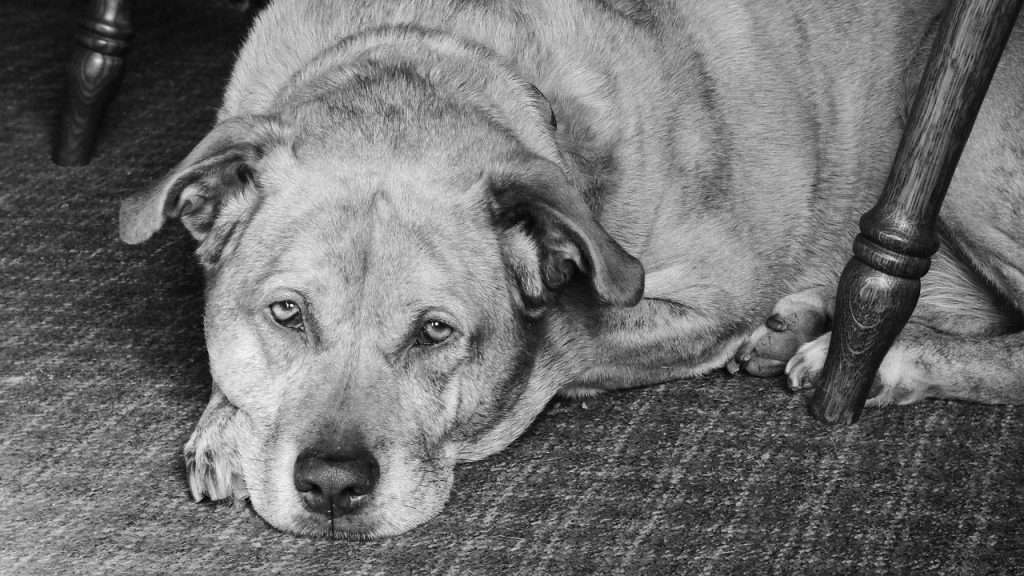
A dull, thinning coat is a visible sign of aging in dogs. Their skin might become drier or more sensitive, and they may groom themselves less often. You might also notice grey hairs appearing around the muzzle and eyes.
Regular brushing helps stimulate the skin and distributes natural oils. Switching to gentle shampoos designed for sensitive or senior dogs can also reduce dryness and irritation.
Dental and bad breath issues
Dental problems often appear early during aging in dogs. Tartar buildup, gum inflammation, or loose teeth can cause discomfort and even affect appetite. Bad breath is one of the most common signs that dental health needs attention.
If your dog avoids hard food or chews only on one side, it’s time for a dental checkup. Regular brushing and professional cleanings can prevent more serious infections that might affect internal organs.
Sensory decline: hearing and vision changes
As part of natural aging in dogs, the senses begin to fade. You might notice your dog doesn’t respond immediately when called or seems startled when approached from behind. Cloudy eyes or bumping into furniture can indicate vision loss or cataracts.
Keep your home layout consistent so your dog can navigate comfortably. Avoid startling them, and use more touch or visual cues when their hearing declines.
Bathroom and house-training changes
Frequent accidents inside the house are another common sign of aging in dogs. This may result from weaker bladder control, urinary tract infections, or cognitive decline. Sometimes, it’s simply because they can’t hold it as long as before.
If accidents happen suddenly or frequently, see your vet to rule out medical causes. More frequent outdoor breaks and easily accessible potty areas can also help.
Related reads:
5 Effective Tips on How to Potty Train Your Dog or Puppy
Behavioral and cognitive changes
Behavioral changes are among the most emotional aspects of aging in dogs. They might seem confused, wander aimlessly, or appear less responsive to familiar cues. Some may bark at night or seem disoriented. These are possible signs of canine cognitive dysfunction — a form of dementia in dogs.
Mental enrichment such as puzzle toys, new scents, and gentle training sessions can help keep their minds active. If disorientation or anxiety worsens, your vet can suggest treatment options.
Which signs are urgent red flags
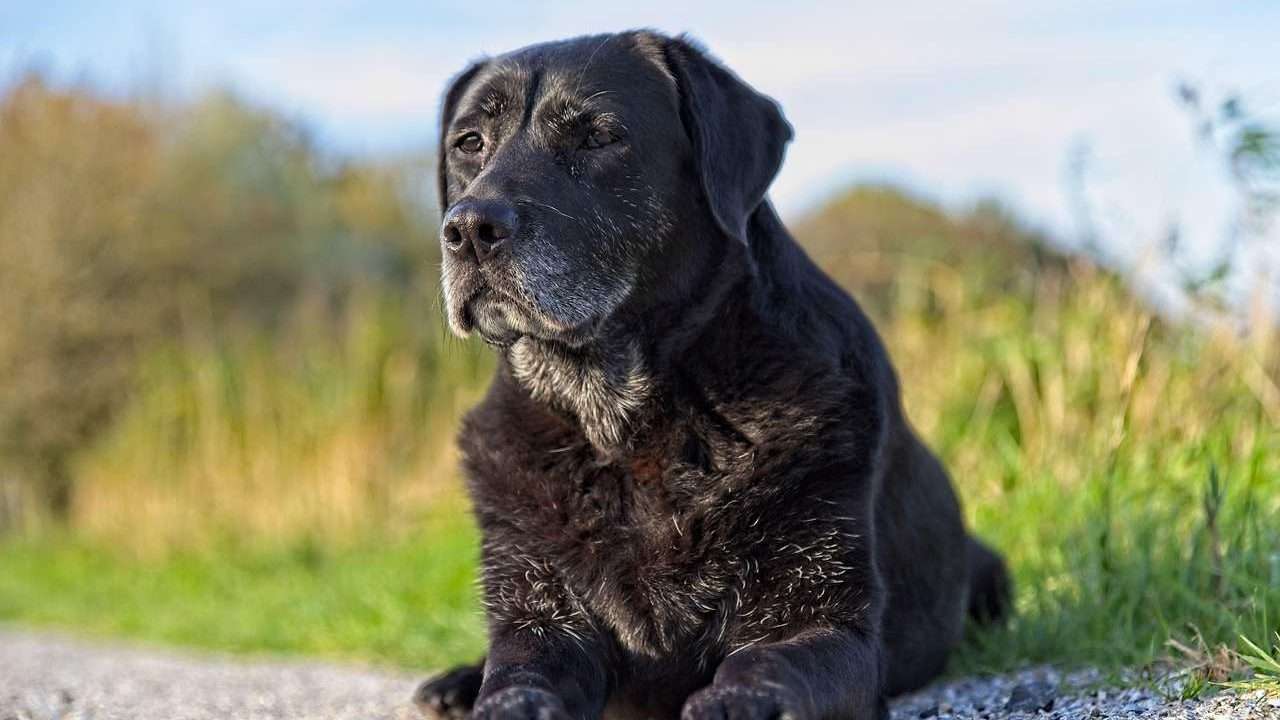
Not every change is part of normal aging in dogs. Some symptoms need quick attention. Rapid weight loss, swollen lumps, difficulty breathing, sudden blindness, or persistent vomiting are all reasons to visit your vet immediately.
Catching serious issues early can make treatment more effective and prevent unnecessary suffering.
Why early detection matters
Early detection during aging in dogs can extend not only lifespan but also the quality of life. Regular checkups allow vets to spot issues like heart murmurs, dental infections, and thyroid problems before they progress. Many age-related conditions are manageable with timely care.
Practical checks you can do at home
Simple monthly checks can help track aging in dogs:
- Watch how your dog walks and climbs stairs.
- Feel their body for lumps or bumps.
- Inspect their mouth for redness or bad odor.
- Note changes in appetite or bathroom habits.
Keeping a small notebook or using a pet health app helps you share accurate updates with your vet.
Veterinary care and baseline tests for senior dogs
As aging in dogs progresses, regular vet visits become even more important. Most veterinarians recommend a complete checkup every six months. Typical senior screenings include blood tests, urinalysis, dental exams, and sometimes imaging to monitor internal health.
These routine visits can catch silent issues like kidney disease or diabetes before symptoms appear.
Everyday ways to support your dog’s comfort
Diet and weight management
Nutrition plays a major role in slowing aging in dogs. Senior diets are often lower in calories but rich in high-quality protein to maintain muscle mass. Discuss with your vet before adding supplements like fish oil or glucosamine for joint health.
Low-impact exercise and mental stimulation
Daily walks, swimming, and gentle playtime help maintain mobility without straining joints. Puzzle feeders and scent games keep your dog mentally sharp and reduce boredom.
Home environment adjustments
Small changes around your home can make life easier. Add non-slip mats on slippery floors, ramps near furniture, and a soft orthopedic bed for extra support. Keep essentials like food, water, and toys easily accessible.
Final thoughts
Spotting the early signs of aging in dogs helps you give them a healthier, more comfortable life. Aging is natural, but with timely care, your loyal companion can continue to thrive for many years. Observe, adapt, and stay proactive – your dog will thank you with love and trust every single day.
![Dog Vaccinations: Everything You Need to Know [2024]](https://100dogbreeds.com/wp-content/uploads/2024/10/dog-vaccinations-featured-768x512.jpg)