Dogs in Indian Culture: Breeds, Myths, and History


From ancient temples to modern homes, dogs have long been part of India’s cultural fabric. Their roles go far beyond being loyal companions; they are protectors, symbols of faith, and even messengers in mythological tales. Understanding dogs in Indian culture means tracing a story that blends devotion, tradition, and everyday life across centuries.
The Ancient Roots: Dogs in Indian Society from Earliest Times
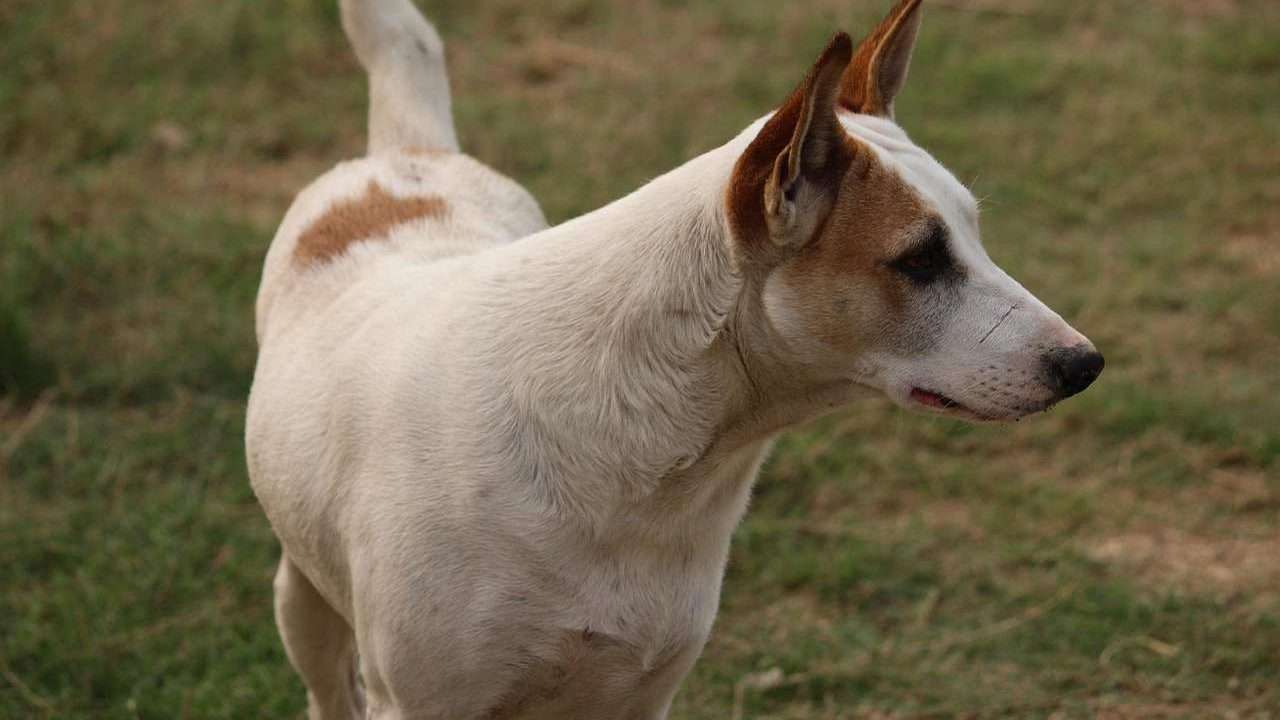
The history of dogs in Indian culture dates back thousands of years. Archaeological findings suggest that dogs were domesticated in India as early as 4500 BCE. Ancient scriptures and carvings reveal their presence alongside humans, especially as guards and hunting partners.

In early Vedic literature, dogs were recognized for their intelligence and faithfulness. They were often described as beings capable of sensing danger and protecting humans from unseen forces. This association made dogs an essential part of rural life, where they watched over cattle and fields.
Even today, many indigenous breeds carry the same instincts and resilience seen in their ancestors. Their connection to India’s early civilizations shows how deeply dogs in Indian culture were woven into daily survival and community life.
Native Indian Dog Breeds and Their Stories
India is home to several native dog breeds that reflect its regional diversity. Among the most recognizable is the Indian Pariah Dog, or “Desi Kutta,” considered one of the oldest breeds in the world. These dogs are intelligent, adaptable, and naturally resistant to local diseases. Their presence across rural and urban India showcases their close link to dogs in Indian culture and local traditions.
Other unique breeds include:
- Chippiparai from Tamil Nadu, known for its speed and loyalty.
- Rajapalayam, once bred to guard royal palaces and accompany warriors.
- Mudhol Hound from Karnataka, famous for its hunting skills.
- Himalayan Sheepdog, protecting livestock in the northern mountains.
Each breed tells a story about how dogs in Indian culture evolved with geography, climate, and human needs. These breeds have survived because of their strong connection to the land and people who value their heritage.
Myth and Legend: Dogs in Indian Mythology and Folklore
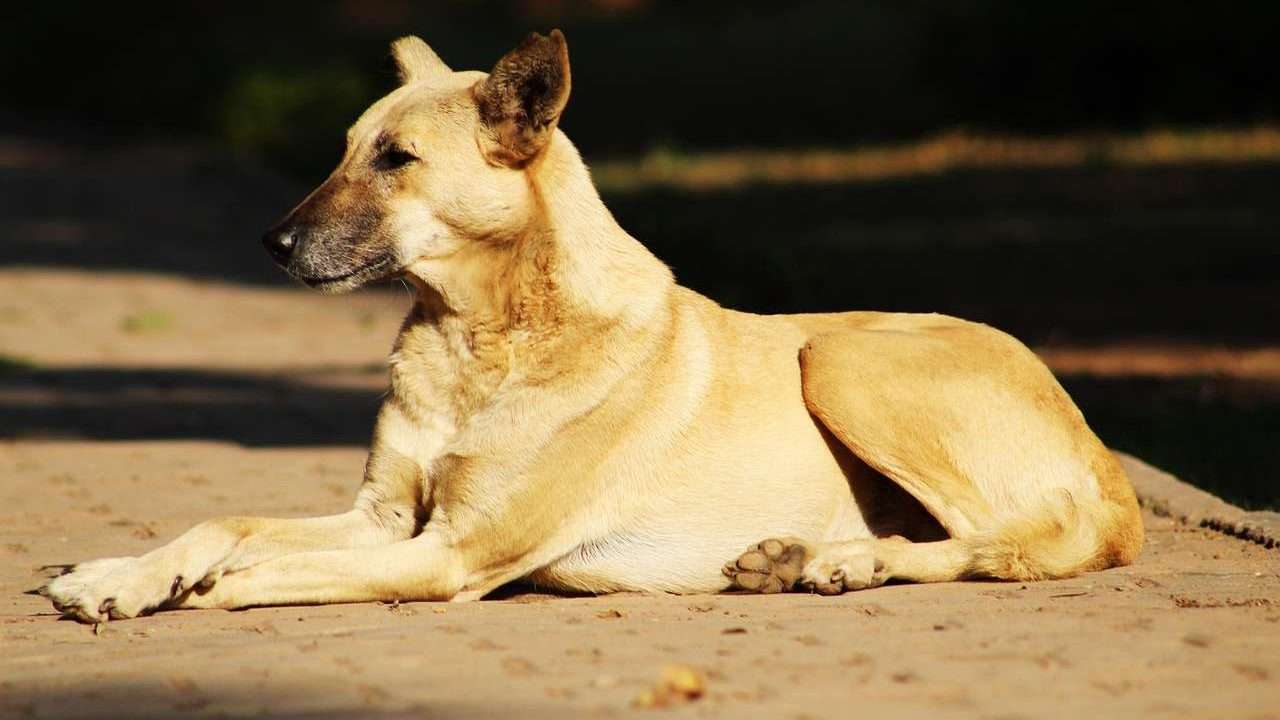
The mythological presence of dogs in Indian culture runs deep. In Hindu scriptures, dogs often serve as guardians, guides, and divine companions. The Rigveda mentions Sarama, the female dog of the gods, who discovered the stolen cows of Indra. Her loyalty made her an enduring symbol of faithfulness.
Another famous myth speaks of Yudhishthira, the eldest of the Pandavas, who refused to enter heaven without his dog. This story from the Mahabharata reflects compassion and loyalty at their highest level, illustrating the moral place of dogs in Indian culture.
In many villages, dogs are believed to possess spiritual powers. They are thought to see spirits and protect homes from negative energies. Folklore across India often portrays dogs as messengers between the human and divine worlds, reinforcing their sacred and emotional connection with people.
Rituals, Worship and Cultural Symbolism of Dogs in Indian Culture
In Hinduism, dogs are not just seen as protectors but also as beings worthy of reverence. In parts of India and Nepal, the festival of Kukur Tihar is dedicated entirely to honoring dogs. During this celebration, dogs are garlanded with flowers, fed special treats, and blessed for their loyalty and companionship. This festival beautifully represents how dogs in Indian culture are seen as family and spiritual allies.
In some households, food is offered to stray dogs before starting rituals or religious events. This act is believed to bring good fortune and ensure ancestors’ blessings. The symbolic meaning of dogs as guardians and loyal souls has made them an inseparable part of Indian customs.
Even in modern urban life, the tradition of caring for stray dogs echoes this cultural bond. Feeding street dogs or ensuring their well-being continues to reflect the compassion deeply tied to dogs in Indian culture.
Related reads:
6 Nutrition Myths: What Dogs Really Need in Their Diet
Changing Roles: Dogs in Indian Society Today
Over the years, the role of dogs in Indian culture has evolved. Once primarily seen as protectors of property or livestock, dogs are now cherished as family members. Pet ownership in cities has grown significantly, and people now celebrate their pets’ birthdays, take them on vacations, and even include them in family portraits.
However, this modernization has created a contrast between pedigree pets and native breeds. Many families prefer imported breeds such as Labradors or Huskies, often overlooking the resilience and adaptability of indigenous dogs. Yet, animal lovers and activists are working to revive interest in Indian breeds, emphasizing that they are perfectly suited for the country’s climate and lifestyle.
Social media has also played a role in reshaping how people view dogs in Indian culture. Online communities and rescue organizations have helped highlight the importance of adopting local dogs and protecting street animals. This new awareness connects back to the cultural respect dogs have always received, reminding people that kindness to animals is an essential part of Indian heritage.
Challenges and Conservation of Indigenous Dogs in Indian Culture
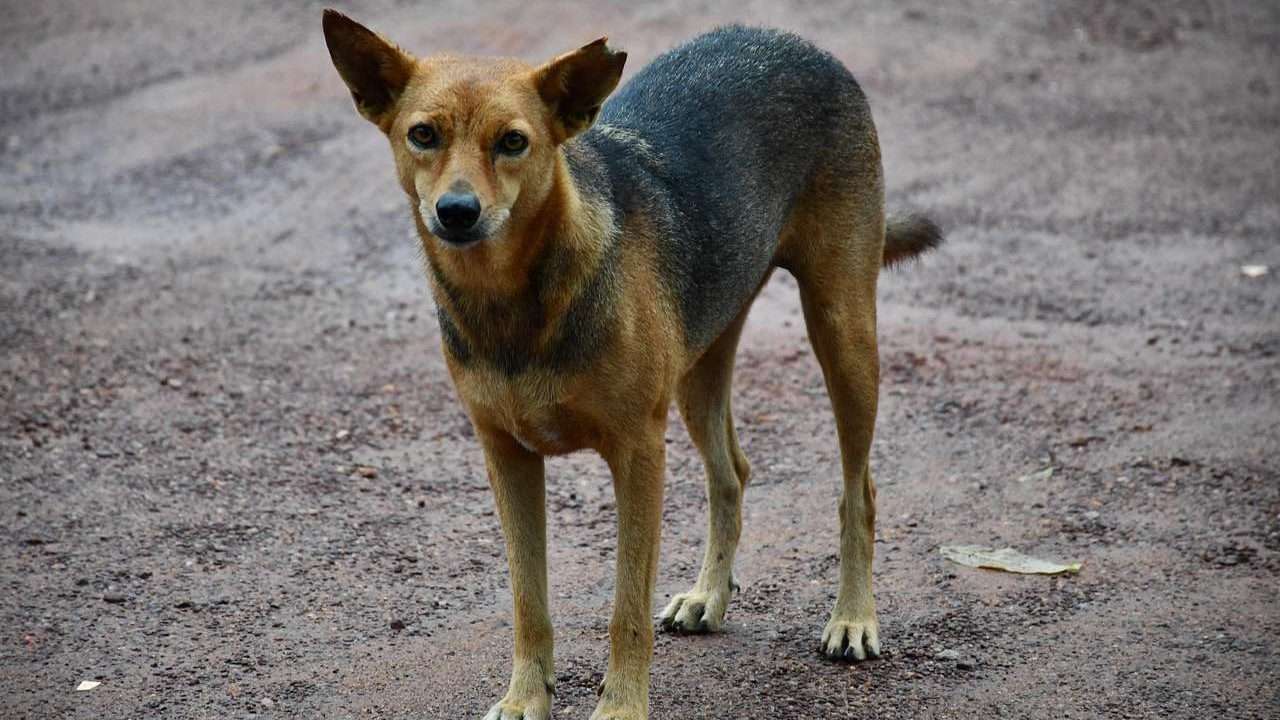
While the legacy of dogs in Indian culture is rich, the survival of native breeds faces real challenges. Many local dogs are at risk of extinction due to neglect, crossbreeding, and preference for foreign breeds. The Indian Pariah Dog, once common in every corner of the country, is now struggling to maintain its pure lineage.
Efforts are underway by breeders, NGOs, and animal welfare groups to protect these breeds through awareness and registration programs. Conservation isn’t just about saving animals; it’s about preserving a part of India’s identity. Every native breed represents a historical bond between humans and dogs that has lasted for thousands of years.
Supporting adoption of indigenous dogs, encouraging ethical breeding, and educating people about their cultural importance can help maintain the balance. The effort to preserve dogs in Indian culture is, in many ways, an effort to protect India’s own values of compassion, loyalty, and coexistence.
Final Thoughts
The story of dogs in Indian culture is one of companionship, spirituality, and shared history. From the Vedic period to the modern age, dogs have stood beside humans as protectors, symbols, and loved ones. Their presence in myth and daily life reveals how deeply they are intertwined with India’s moral and cultural identity.
Recognizing and honoring this connection is more than an act of kindness; it’s a way of understanding how culture and compassion coexist. Whether through myths of Sarama, the devotion of Yudhishthira’s companion, or the humble Indian Pariah Dog standing guard on a village street, dogs in Indian culture continue to remind us of loyalty that never fades.