Dog Winter Care: 10 Must Know Tips

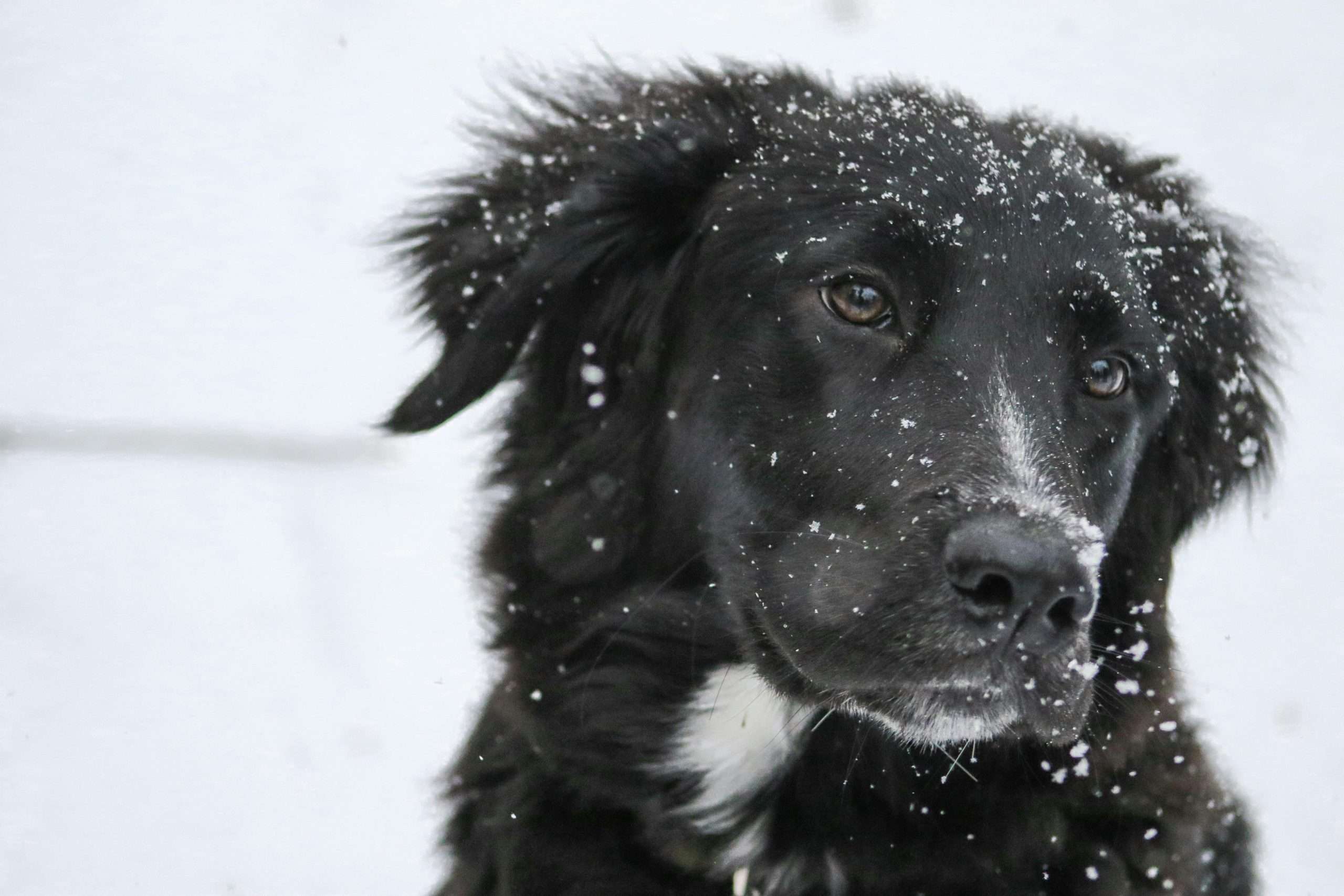
The winter season brings unique challenges for pet owners, making proper dog winter care essential for keeping our dogs healthy and comfortable. While some dogs revel in snowy adventures, others find the cold weather challenging. Understanding how to protect your canine companion during these chilly months is crucial for their wellbeing and happiness.
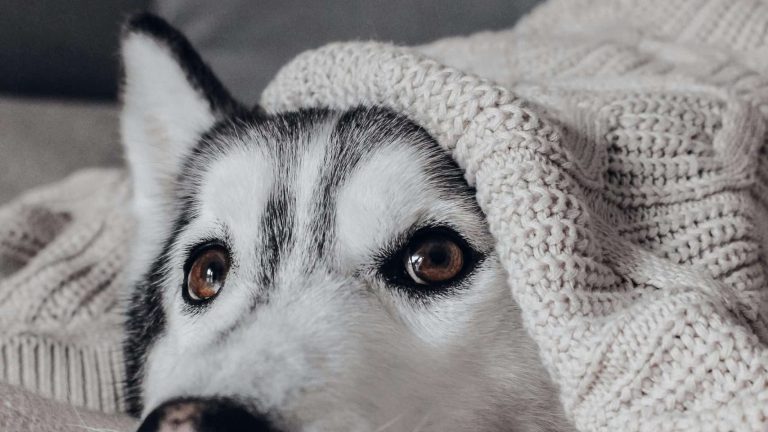
When winter’s icy grip takes hold, many pet parents wonder if their dogs can handle the cold temperatures. Just like humans, each dog has different tolerance levels for cold weather. While thick-coated breeds like Huskies and Malamutes might thrive in lower temperatures, smaller breeds or dogs with shorter coats need extra protection during the winter season.

Let’s explore the ten essential aspects of dog winter care that every pet parent should know:
1. Understanding Cold Weather Signs
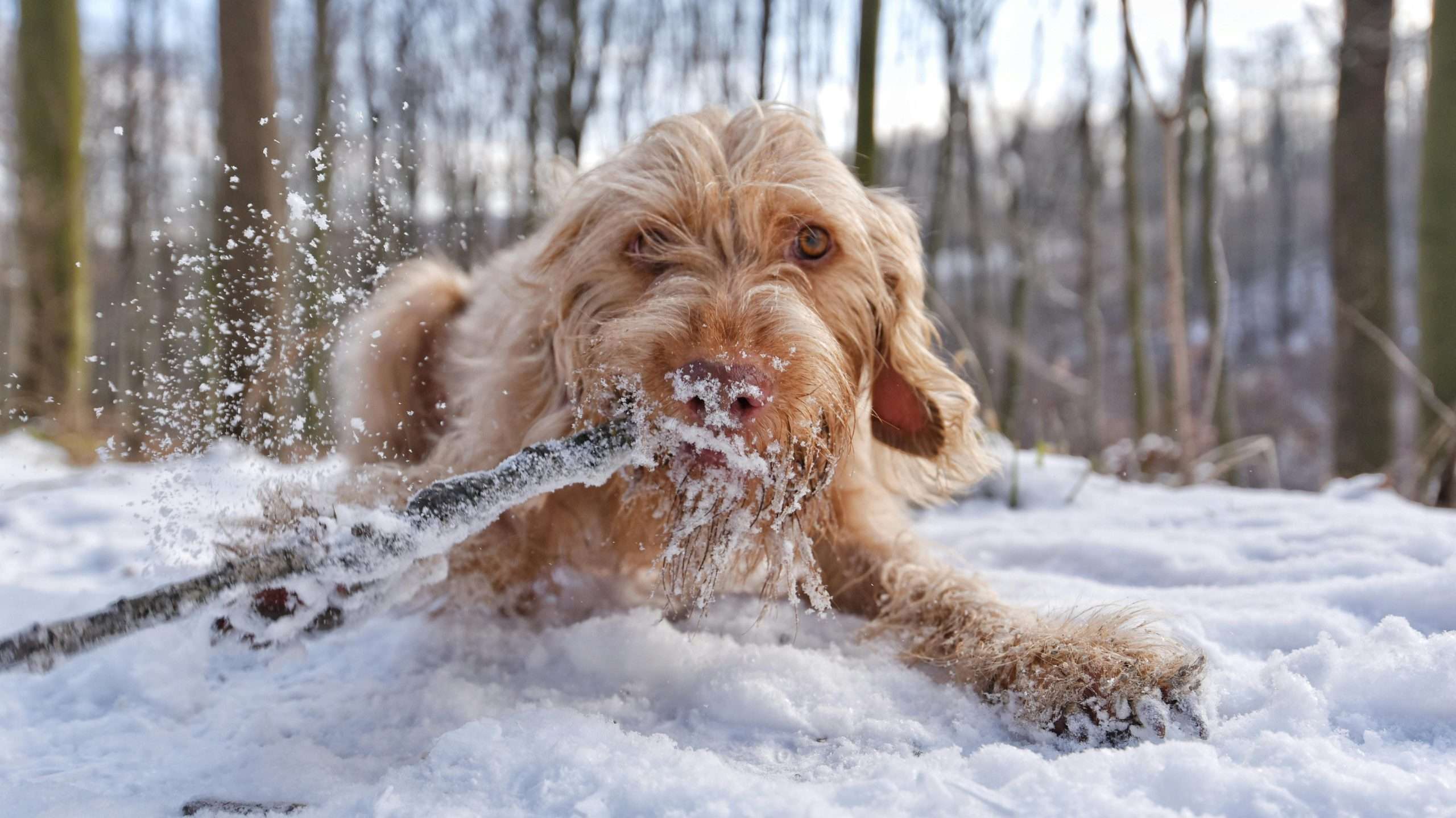
The first in the list of dog winter care tips in to understand the cold weather signs. Your dog’s body language speaks volumes about their comfort in cold weather. While dogs maintain a normal body temperature between 101-102.5°F, winter conditions can quickly affect their wellbeing. Watch for shivering, unusual lethargy, or seeking warm places – these are clear indicators that your pet is feeling the cold. Some dogs may even lift their paws repeatedly or show signs of anxiety when exposed to frigid temperatures.
2. Managing Outdoor Activities
Dog winter care doesn’t mean keeping your dog indoors all season. Instead, adapt their exercise routine to accommodate the weather. Choose the warmer parts of the day, typically late morning or early afternoon, for walks. Shorter, more frequent walks are better than long exposures to cold temperatures. Keep your pet moving during outdoor time – standing still in cold weather can lead to faster heat loss.
3. Proper Winter Protection
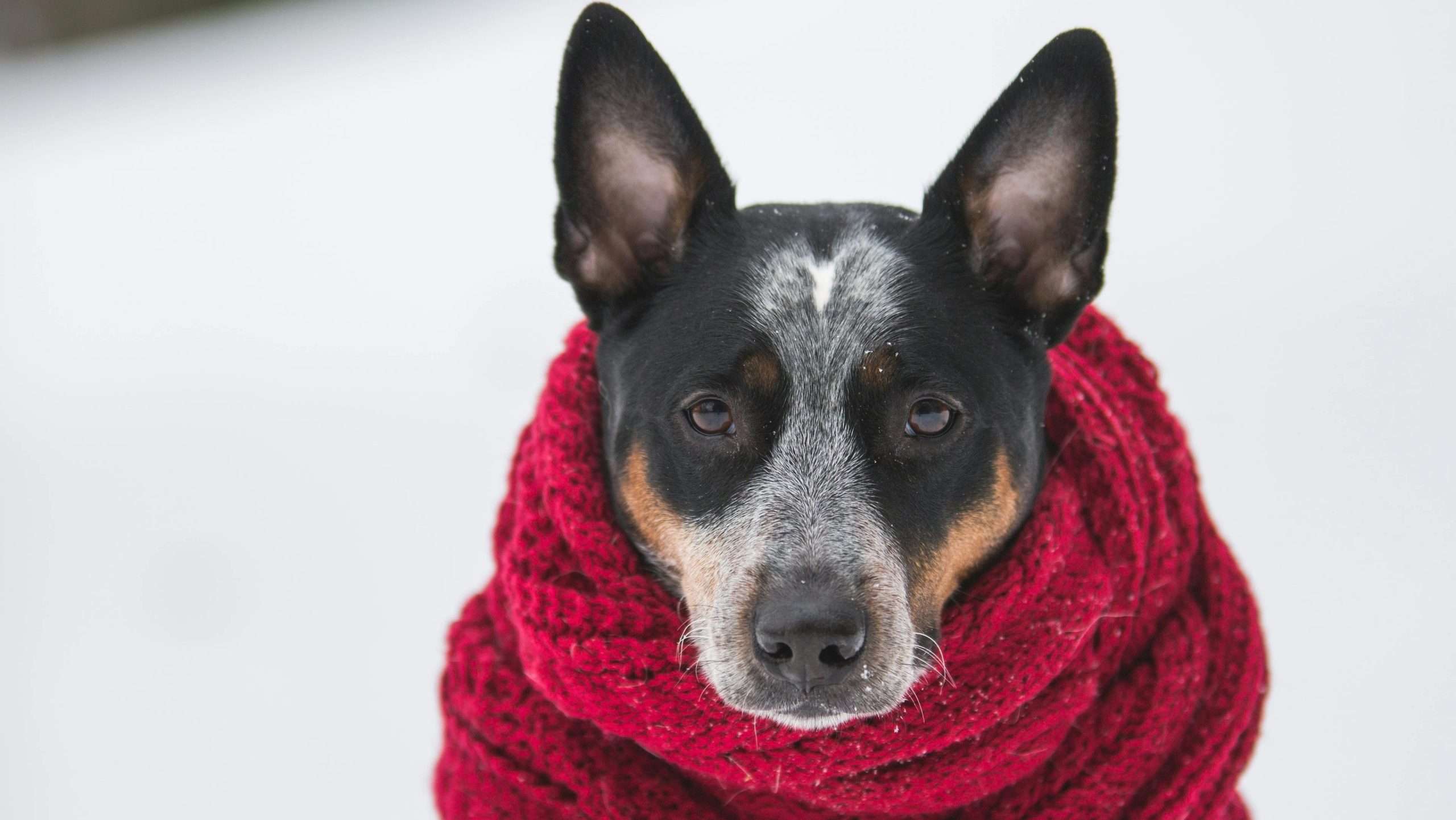
Winter clothing isn’t just a fashion statement for dogs – it’s a necessity for many breeds. Short-haired dogs, elderly pets, and puppies especially benefit from proper winter attire. A good winter coat should cover from the neck to the base of the tail while protecting the belly. However, clothing shouldn’t restrict movement or become a hazard. Even with protective gear, monitor your dog’s behavior for signs of discomfort or cold.
4. Essential Paw Protection
The next in line for dog winter care tips is to have essential paw protection. Your dog’s paws face numerous winter challenges, from icy surfaces to chemical de-icers. Regular paw care becomes crucial during these months. Apply pet-safe paw balm before walks to create a protective barrier against harsh elements. After walks, gently clean their paws with warm water to remove any ice, salt, or chemicals. Consider using dog boots for extended outdoor activities, especially in areas heavily treated with de-icing products.
5. Creating a Cozy Indoor Environment
Dog winter care extends to creating a comfortable indoor space. Position your dog’s bed away from drafts, cold windows, and doors. Consider elevating the bed off cold floors using a platform or thick padding. While providing warmth is essential, ensure your pet can’t get too close to heating sources like radiators or space heaters, which can cause burns or overheating.
6. Winter Nutrition and Hydration
Cold weather can affect your dog’s nutritional needs. Active dogs spending time outdoors might require additional calories to maintain body heat, while less active indoor pets may need fewer calories to prevent winter weight gain. Regardless of activity level, ensure constant access to fresh water – many dogs drink less in winter, risking dehydration. Consider using heated water bowls for outdoor water sources to prevent freezing.
7. Winter Grooming Essentials
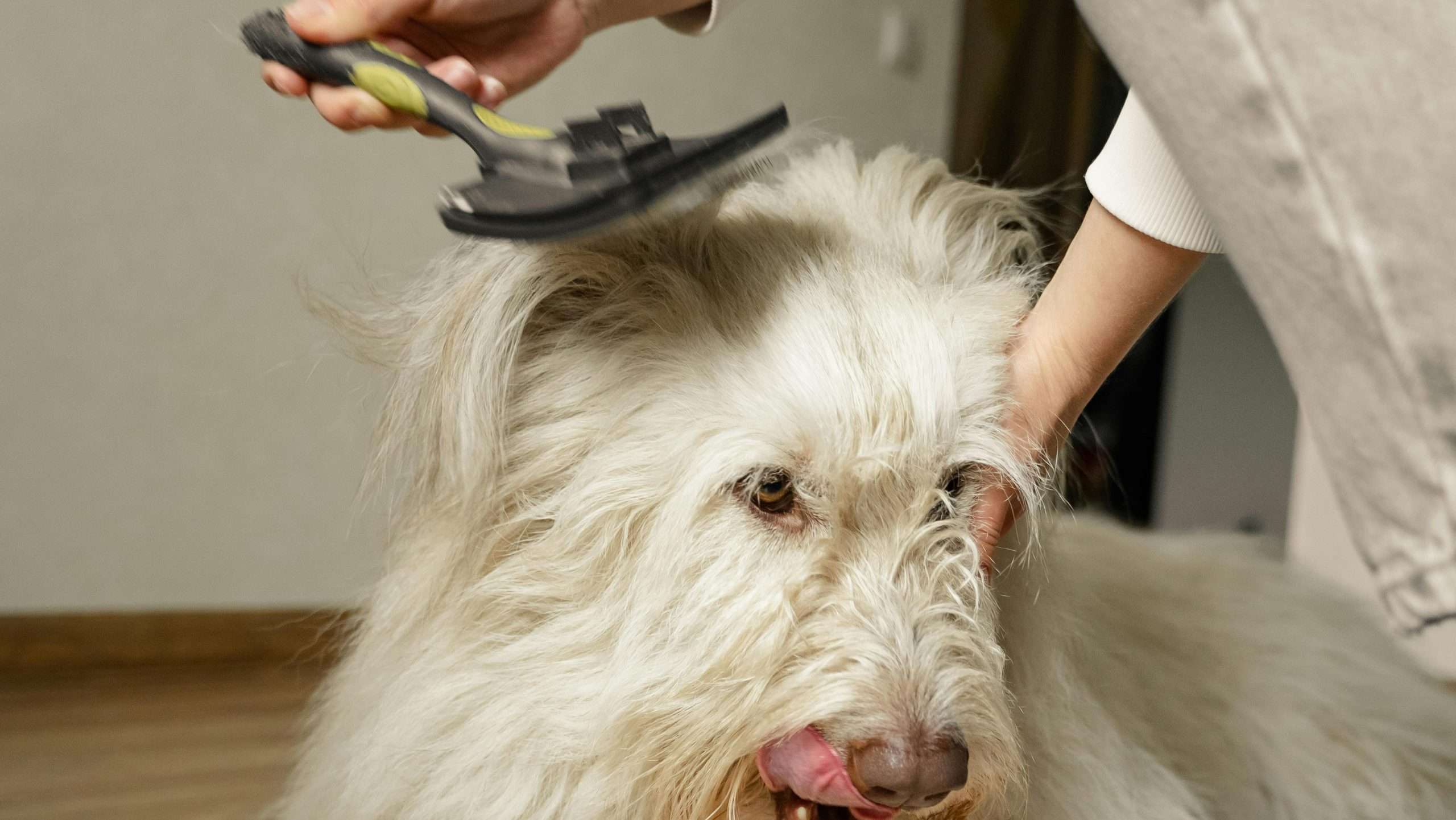
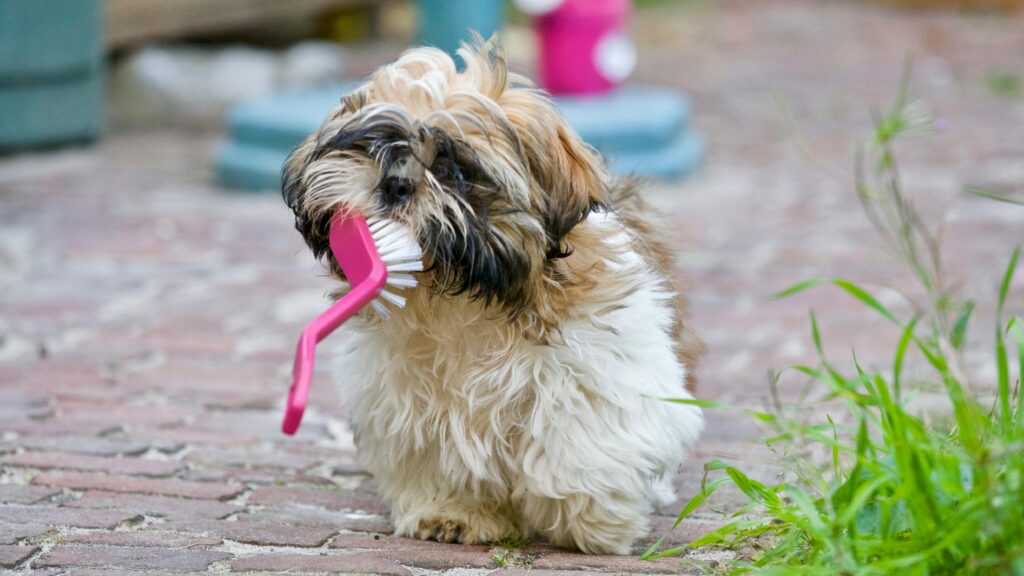
Proper grooming plays a vital role in dog winter care. Regular brushing helps maintain a healthy coat that provides natural insulation. Avoid over-bathing, which can strip essential oils and lead to dry, itchy skin. When bathing is necessary, use warm water and pet-friendly moisturizing shampoos. Always ensure your dog is completely dry before outdoor exposure, as wet fur loses its insulating properties.
8. Special Considerations for Senior Dogs
Older dogs often struggle more during winter months, especially those with arthritis or joint issues. Cold weather can exacerbate joint pain, making movement more difficult. Provide extra padding in sleeping areas and consider using pet-safe heating pads under supervision. Keep senior dogs warm during outdoor activities and monitor their comfort level closely. Regular vet check-ups become even more important during winter months.
9. Winter Safety Measures
Beyond basic comfort, winter brings unique safety challenges. Keep antifreeze and other winter chemicals stored safely away from pets, as they can be lethal if ingested. During walks, avoid frozen water bodies – what looks solid might not support your dog’s weight. Ensure your yard’s fence line isn’t compromised by snow accumulation, which could create escape routes.
10. Health Monitoring and Maintenance
Regular health monitoring becomes crucial during winter. Watch for signs of cold-related issues like frostbite or hypothermia. Maintain regular exercise routines despite weather challenges to prevent weight gain and maintain muscle tone. Keep vaccinations current, as winter can lower immune system efficiency. Have a winter emergency kit ready, including extra food, water, and any necessary medications.
The Importance of Preventive Care
Successful winter dog care relies heavily on prevention. By anticipating challenges and preparing accordingly, you can help your dog navigate the cold season safely and comfortably. Regular vet visits during winter months can help catch any cold-weather related issues early and ensure your pet stays healthy throughout the season.
Remember, every dog is unique in their winter needs. Some may require minimal adjustments to their routine, while others need significant changes to stay comfortable and safe. Pay attention to your dog’s behavior and responses to different winter conditions, and adjust their care accordingly.
By following these dog winter care guidelines, you can ensure your furry friend stays happy, healthy, and comfortable throughout the cold season. Winter doesn’t have to be a challenging time for your pet – with proper preparation and attention to their needs, it can be an enjoyable season for both you and your dog.
We hope you found this blog on dog winter care tips helpful. Do check out our other blogs too!
FAQs
How can I tell if my dog is too cold in winter?
Dogs communicate their discomfort in cold weather through body language. Signs to watch for include shivering, lethargy, seeking warmth, lifting paws off the ground, or showing anxiety. If you notice any of these behaviors, it’s essential to bring your dog indoors or provide extra warmth and protection.
Do all dogs need winter clothing?
Not all dogs require winter clothing, but short-haired breeds, puppies, and senior dogs often benefit from extra warmth. If your dog is shivering or seems uncomfortable in cold weather, a properly fitted coat can help protect them from the elements. Always ensure that clothing allows for free movement and isn’t too tight.
What should I do to protect my dog’s paws in winter?
Protecting your dog’s paws is crucial during winter. Apply a pet-safe paw balm before walks to shield against ice and salt, and consider using dog boots for extended outdoor time. After walks, clean their paws with warm water to remove any chemicals or ice. Regular paw checks can help prevent injuries and discomfort.