Natural Remedies for Dog Skin Allergy: Safe Ways to Soothe Your Dog’s Itchy Skin

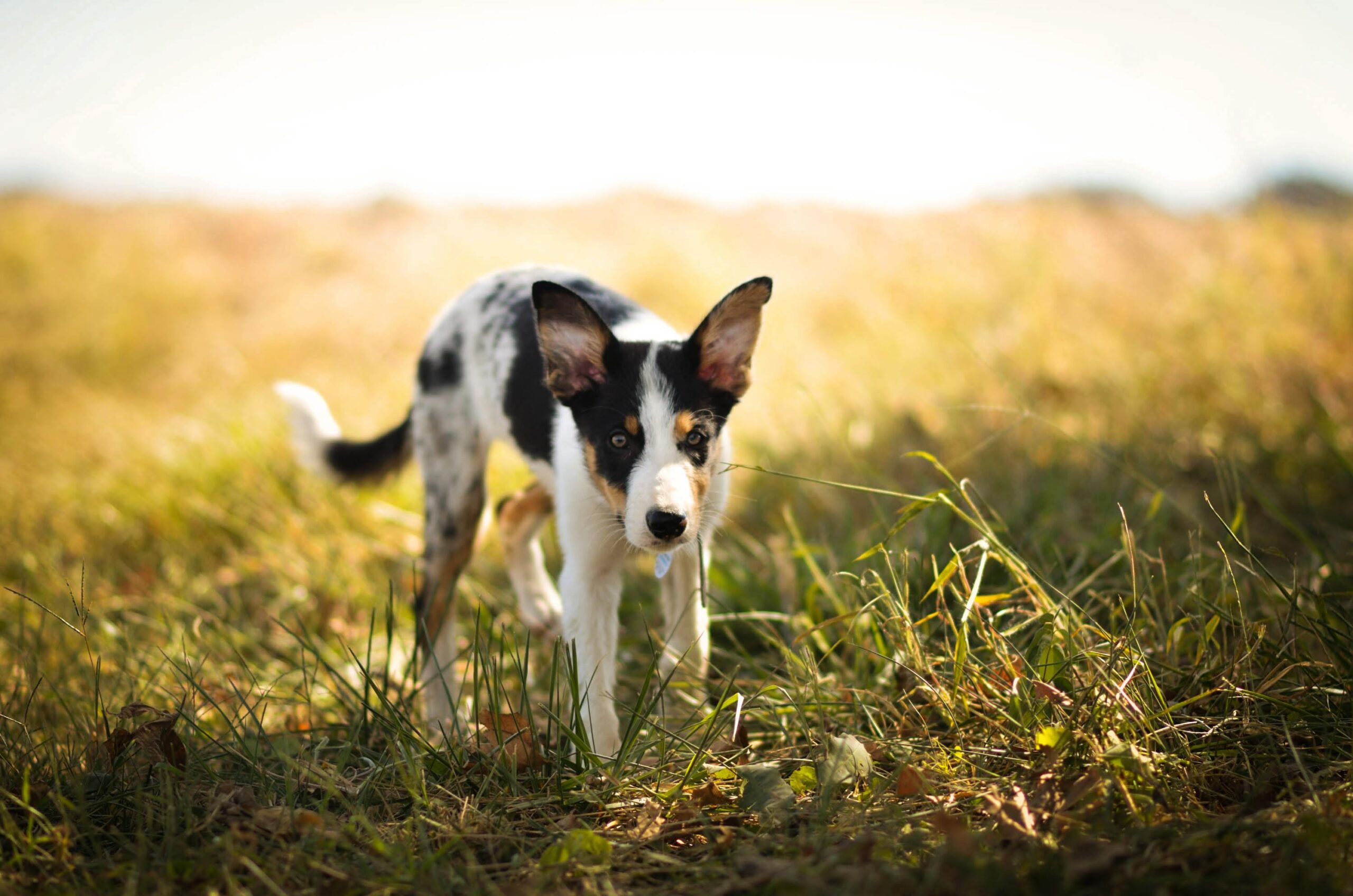
Dogs scratch for many reasons, but constant itching, redness, or irritated patches often point to a dog skin allergy. This condition is quite common and can make dogs uncomfortable, restless, and even anxious. While severe allergies need veterinary care, many mild cases can be managed with gentle, natural remedies that soothe the skin and reduce irritation.
Understanding what triggers a dog skin allergy and learning how to calm the symptoms naturally can make a big difference in your dog’s comfort. From soothing oatmeal baths to simple diet changes, several natural approaches can help support healthier skin and reduce itching.

What is a Dog Skin Allergy?
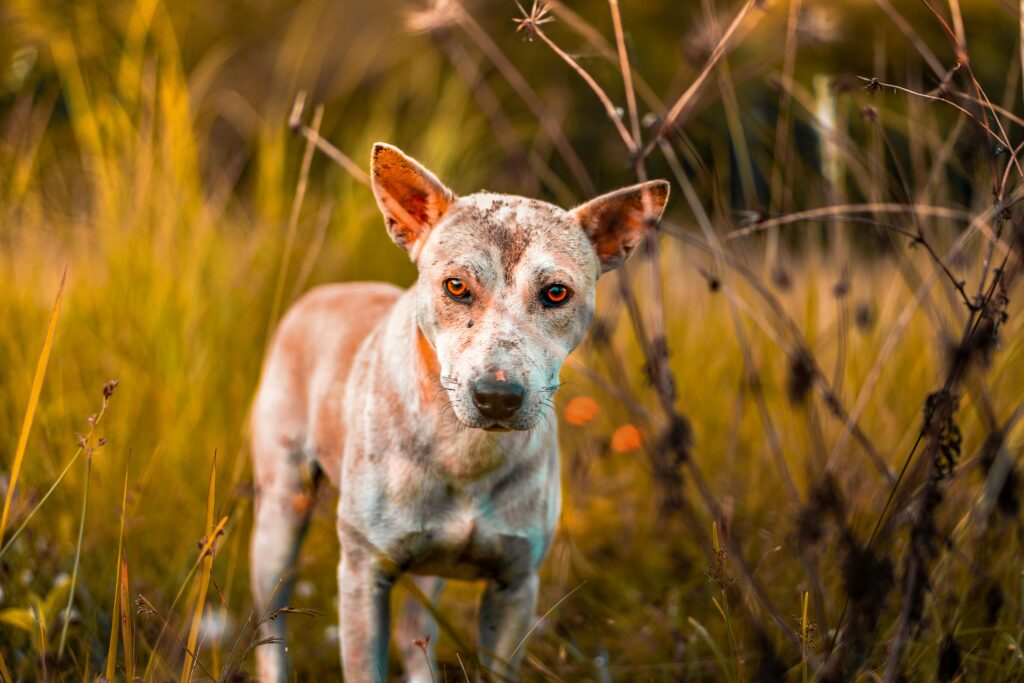
A dog skin allergy occurs when a dog’s immune system reacts strongly to substances that are normally harmless. These triggers are known as allergens. When a dog comes into contact with an allergen, the body releases chemicals that cause inflammation in the skin. This leads to itching, redness, and irritation.
Some dogs develop allergies gradually over time, while others may react suddenly to a new environmental or dietary trigger. The skin is often the first place where allergic reactions appear, which is why itching and rashes are common signs.
Common Causes of Skin Allergy for Dogs
Several factors can trigger a dog skin allergy, and identifying the cause is an important step toward relief.
Environmental allergens are one of the most common triggers. These include pollen, dust mites, mold spores, and grass. Dogs that spend a lot of time outdoors may come into contact with these allergens frequently.
Flea bites are another major cause. Even a single flea bite can cause intense itching in dogs that are sensitive to flea saliva.
Food sensitivities can also lead to a dog skin allergy. Certain proteins or ingredients in dog food may cause inflammation that shows up as itchy skin or ear infections.
Sometimes grooming products, cleaning chemicals, or certain fabrics can irritate a dog’s skin and trigger allergic reactions.
Signs and Symptoms of a Dog’s Skin Allergy
Recognizing the signs early can help prevent the condition from becoming worse. A dog skin allergy often causes visible discomfort that owners can notice quickly.
The most common symptom is constant scratching. Dogs may scratch their ears, neck, belly, or sides more often than usual.
Many dogs with a dog skin allergy also lick or chew their paws frequently. This behavior is often a sign that the skin between the toes is irritated.
Redness and inflamed patches on the skin are another clear sign. Some dogs may also develop dry or flaky skin.
Hair loss can occur when a dog scratches the same area repeatedly. Over time, this can create bald patches.
Ear infections are also linked to allergies in many dogs. If your dog shakes its head frequently or has a strong odor from the ears, it could be related to a dog skin allergy.
Related reads:
Effective Tips to Soothe Dry Skin in Dogs
Natural Remedies That Help Soothe Skin Allergy for Dogs
Natural remedies focus on calming inflammation, moisturizing the skin, and reducing irritation. While these remedies may not cure every Skin Allergy, they can provide relief and support skin healing.

Oatmeal Baths for Dog Skin Allergy Relief
Oatmeal baths are one of the most widely recommended natural treatments for itchy dog skin. Oatmeal contains compounds that help soothe inflammation and reduce itching.
When a dog has a dog skin allergy, the skin often becomes dry and irritated. Oatmeal works as a natural moisturizer and creates a protective barrier on the skin.
To prepare an oatmeal bath, grind plain oatmeal into a fine powder and mix it into warm bath water. Allow your dog to soak for around ten to fifteen minutes. This gives the oatmeal time to calm irritated areas.
Coconut Oil for Dog Skin Allergy Irritation
Coconut oil is another popular natural remedy for irritated dog skin. It contains natural fatty acids that help moisturize dry skin and support healing.
Applying a small amount of coconut oil directly to irritated areas can reduce dryness and flaking. For dogs dealing with a dog skin allergy, this can provide soothing relief.
Coconut oil also has antibacterial and antifungal properties. This can help protect the skin from infections that sometimes develop when dogs scratch excessively.
Apple Cider Vinegar Spray for dog skin allergy Itching
Apple cider vinegar is commonly used as a natural skin treatment because it helps balance the skin’s pH and reduce bacteria.
For dogs with a dog skin allergy, diluted apple cider vinegar can help relieve itching, especially on the paws. Dogs often pick up allergens from grass and soil, which makes their paws a common irritation spot.
To use this remedy, mix equal parts apple cider vinegar and water in a spray bottle. Lightly spray it on irritated areas or apply it to the paws using a cloth.
It is important to avoid using apple cider vinegar on open wounds or broken skin, as it may cause discomfort.
Aloe Vera for dog skin allergy Hot Spots
Aloe vera is well known for its cooling and soothing properties. It is often used to calm irritated human skin, and it can also help dogs dealing with a dog skin allergy.
Pure aloe vera gel can reduce redness and provide instant cooling relief for inflamed skin. This makes it useful for treating hot spots, which are painful areas caused by excessive scratching.
When using aloe vera for a dog skin allergy, make sure the product is free from alcohol or artificial additives. Applying a thin layer to the affected area can help calm irritation and support skin recovery.
Diet Changes That Support Dogs With Skin Allergy

Diet plays an important role in skin health. In some cases, improving nutrition can reduce flare ups related to a dog skin allergy.
Omega 3 fatty acids are especially beneficial for dogs with skin problems. These healthy fats help reduce inflammation and support a stronger skin barrier. Fish oil is one of the most common sources of omega 3 fatty acids for dogs.
Switching to a high quality dog food with balanced nutrients can also improve skin condition. Foods rich in protein, vitamins, and minerals support healthy fur and skin.
If a dog skin allergy is caused by food sensitivities, a veterinarian may recommend an elimination diet. This involves removing common allergens such as certain proteins or grains and gradually reintroducing ingredients to identify the trigger.
Even small diet improvements can sometimes reduce itching and improve overall skin health.
Lifestyle Tips to Prevent dog skin allergy Flare Ups
Preventing allergens from irritating your dog’s skin can make a big difference in managing a dog skin allergy.
Regular grooming helps remove pollen, dust, and other allergens that may stick to your dog’s coat. Brushing the fur frequently also distributes natural oils that protect the skin.
Bathing your dog occasionally with a gentle shampoo can help wash away irritants. Dogs with sensitive skin should use mild or hypoallergenic products.
Cleaning your dog’s bedding regularly is another helpful step. Dust mites and other allergens often collect in blankets and cushions.
Wiping your dog’s paws after walks can also reduce exposure to outdoor allergens. This simple habit may prevent irritation that triggers a dog skin allergy.
Maintaining a clean home environment and reducing exposure to irritants can significantly lower the chances of allergic reactions.
When to See a Vet for dog skin allergy
Natural remedies can help relieve mild symptoms, but some cases require professional care. If a dog skin allergy continues despite home treatment, it is important to consult a veterinarian.
Severe itching that leads to open wounds is a sign that medical treatment may be needed. Infections can develop quickly when dogs scratch excessively.
If your dog experiences frequent ear infections, hair loss, or persistent redness, these may indicate a more serious dog skin allergy.
A veterinarian can perform tests to identify specific allergens and recommend treatments such as medication, prescription diets, or allergy management plans.