How to Help Your Dog Lose Weight


Obesity is a growing concern among pet owners, with over 55% of dogs in the U.S. being classified as overweight or obese. Just like in humans, carrying excess weight can have significant negative impacts on a dog’s health and well-being. Obesity in dogs increases the risk of developing various health conditions, including diabetes, heart disease, arthritis, and breathing difficulties. Maintaining a healthy weight for your furry companion is crucial for promoting their overall quality of life and potentially extending their lifespan.
Understanding Your Dog’s Weight
The first step in helping your dog lose weight is to accurately assess their current body condition. Veterinarians often use a Body Condition Score (BCS) to evaluate a dog’s weight status. The BCS is a numerical scale that considers factors such as the visibility of the dog’s ribs, the presence of a defined waistline, and the amount of fat covering the bones. An ideal BCS typically falls within the range of 4 to 5 on a 9-point scale.

Signs that your dog may be overweight include difficulty moving around, breathing heavily, and a visibly large, round belly. If you’re unsure about your dog’s weight status, consult with your veterinarian for a professional assessment.
Creating a Weight Loss Plan for Dog

Once you’ve confirmed that your dog needs to lose weight, it’s essential to work closely with your veterinarian to develop a safe and effective weight loss plan. Your vet can help rule out any underlying medical conditions contributing to the weight gain and determine the appropriate calorie requirements for your dog’s breed, age, and activity level.
To calculate your dog’s daily calorie needs, veterinarians often use formulas like the Resting Energy Requirement (RER) and the Metabolic Energy Requirement (MER). These calculations take into account factors such as your dog’s weight, activity level, and health status to provide a personalized calorie target.
Dog Weight Loss Diet
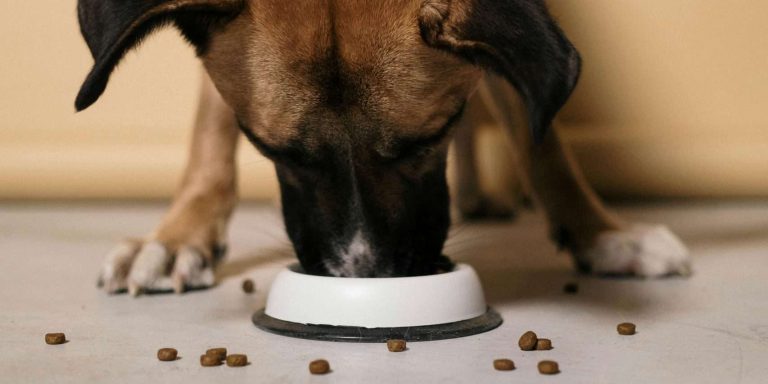
One of the most critical components of a successful dog weight loss plan is adjusting your furry friend’s diet. When choosing a dog food for weight loss, look for options that are high in moisture and fiber, but low in calories and fat. These formulas can help your dog feel fuller for longer, reducing the likelihood of begging or overeating.
Portion control is also essential. Measure your dog’s food carefully using a measuring cup or scale, and divide their daily allowance into two or more meals. Avoid free-feeding, as this can lead to overconsumption and weight gain.
Treating and managing treat intake is another crucial aspect of a dog weight loss diet. Treats should account for no more than 10% of your dog’s daily calorie intake. Consider swapping high-calorie treats for healthier options like fresh vegetables or low-fat training treats.
Exercises to Make Your Dog Lose Weight
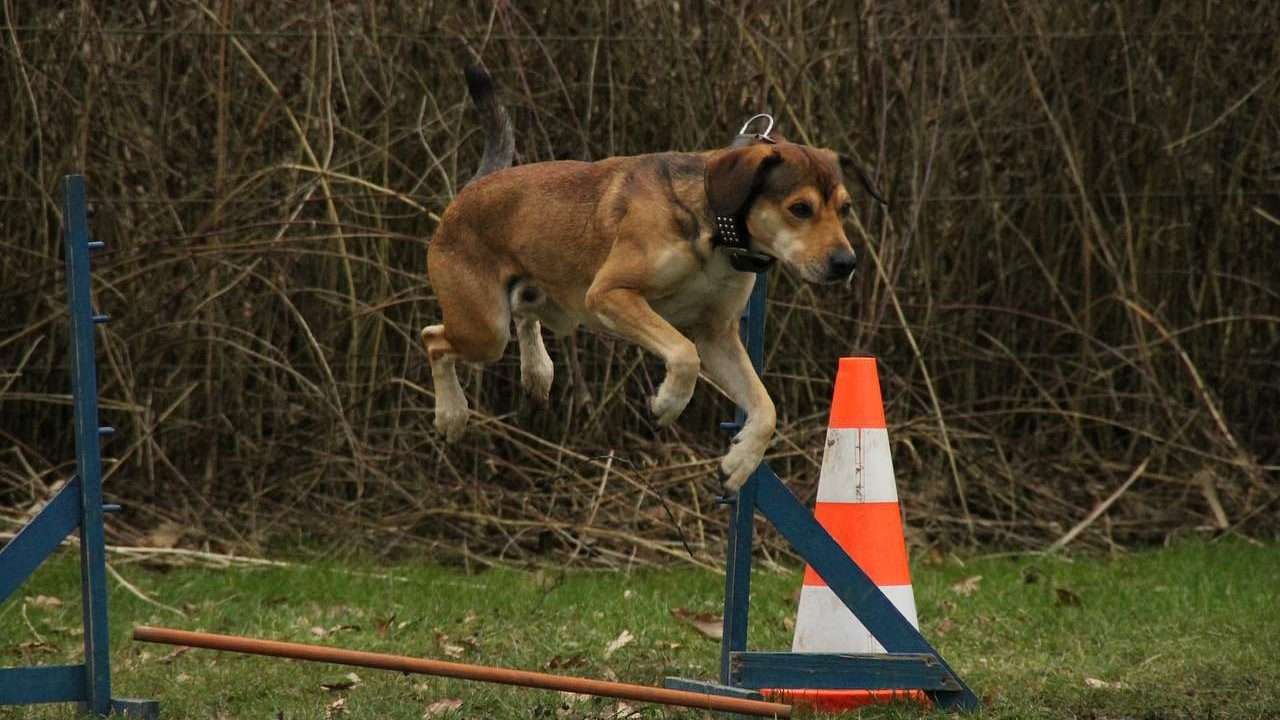
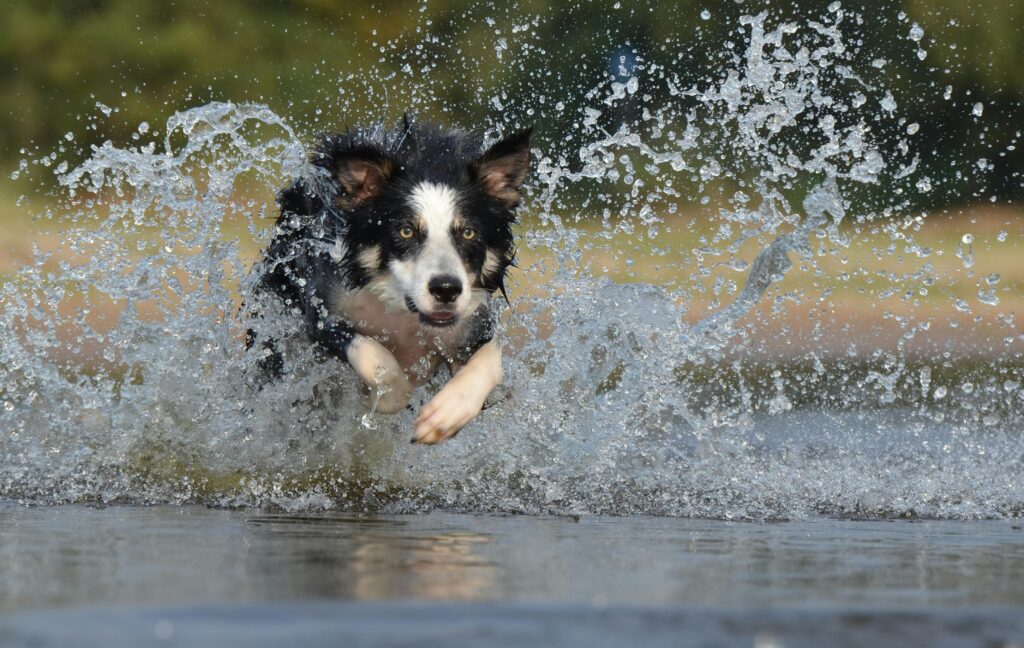
In addition to a balanced diet to make your dog lose weight, regular exercise is crucial for shedding excess pounds and maintaining a healthy weight. Increasing your dog’s physical activity not only burns calories but also improves their overall fitness and well-being.
Simple activities like walking, hiking, or running can be excellent forms of exercise for most dogs. If your dog has joint issues or mobility limitations, low-impact activities like swimming or dog-friendly yoga classes may be more suitable.
When introducing new exercises, it’s essential to start slowly and gradually increase the intensity and duration to avoid injury or burnout. Always consult with your veterinarian before starting a new exercise regimen, especially if your dog has any underlying health conditions.
Related reads:
The Ultimate Guide to Regular Exercise for Dogs: Benefits and Tips for a Healthy, Happy Pet
Monitoring and Adjustments to Make Your Dog Lose Weight
Regularly monitoring your dog’s progress is crucial to ensure your dog lose weight at a safe and sustainable rate. Weigh your dog at least once a month and reassess their BCS to track their progress. If your dog isn’t losing weight as expected, consult with your veterinarian to adjust their calorie intake or exercise routine accordingly.
Remember, gradual weight loss is the healthiest approach for dogs. Aim for a loss of 1-4% of their starting body weight per month, as rapid weight loss can lead to potential health complications.
Benefits of Weight Loss for Dogs
Achieving and maintaining a healthy weight for your dog has numerous benefits beyond just making your dog lose weight or just shedding that extra pound. Dogs at an ideal weight often have a reduced risk of developing chronic conditions like diabetes, heart disease, arthritis, and breathing difficulties.
Furthermore, maintaining a healthy weight can potentially increase your dog’s lifespan and improve their overall quality of life. A leaner, more active dog is better equipped to engage in physical activities, enjoy playtime, and experience an overall higher level of energy and mobility.
Final Thoughts on Making Your Dog Lose Weight!
Once your dog has reached their ideal weight, it’s crucial to continue monitoring their food intake and exercise levels to prevent future weight gain. Regular check-ups with your veterinarian can help ensure that your dog’s diet and exercise routine are still appropriate as they age or experience changes in their activity levels.
Consistency is key when it comes to maintaining a healthy weight for your furry companion. By providing a balanced diet, incorporating regular exercise, and staying vigilant about any potential weight fluctuations, you can help your dog enjoy a long, happy, and healthy life.
Frequently Asked Questions
How long does it take for dogs to lose weight?
The duration of a dog’s weight loss journey depends on various factors, including their starting weight, age, and overall health. However, most dogs can expect to lose 1-4% of their body weight each month when following a safe and controlled weight loss plan.
Should I schedule meal times for my dog?
While not strictly necessary, scheduling meal times can help with portion control and prevent overeating. It can also reduce begging behavior and establish a routine for your dog. Consider using an automatic feeder if your schedule is inconsistent.
What if my dog suddenly loses weight?
Sudden, unexplained weight loss in dogs can be a sign of an underlying health issue. If you notice your dog losing weight rapidly without any changes to their diet or exercise regimen, consult with your veterinarian immediately to rule out potential medical conditions.
What are the signs that your dog weight loss plan is not working?
If your dog isn’t losing weight despite following a carefully planned weight loss regimen, it may indicate that adjustments are needed. Consult with your veterinarian if you notice no significant changes in your dog’s weight or BCS after several months of diligent effort.