Adjust Your Dog Feeding Schedule for Summer: A Complete Guide

As temperatures rise, you may notice changes in your dog’s appetite, energy levels, and hydration needs. Just like humans, dogs react to seasonal shifts, and their feeding habits should be adjusted accordingly. A well-planned dog feeding schedule for summer ensures they stay healthy, hydrated, and energetic despite the heat.
In this guide, we’ll discuss the impact of dog feeding schedule for summer on your dog’s diet, the best schedule, and key nutrition tips to keep your pet comfortable during the hot months.

Why Summer Affects Your Dog’s Appetite and Energy
The summer heat can lead to reduced appetite in dogs. Since their body naturally regulates itself to adapt to the weather, they might eat less, drink more water, and show lower activity levels. Several factors influence these changes:
- Heat and digestion: High temperatures slow down metabolism, making dogs feel less hungry.
- Decreased activity: Dogs are often less active during summer to conserve energy, which can result in reduced food intake.
- Hydration needs: Increased water intake may lead to a preference for lighter meals over heavy ones.
- Temperature sensitivity: Some breeds, especially those with thick fur, struggle more in the heat and may eat less as a response.
Understanding these factors is crucial when adjusting your dog feeding schedule for summer to ensure optimal health and well-being.
Best Meal Timing for Summer
Adjusting meal timing based on the day’s temperature helps your dog maintain a healthy eating routine. Consider these guidelines:
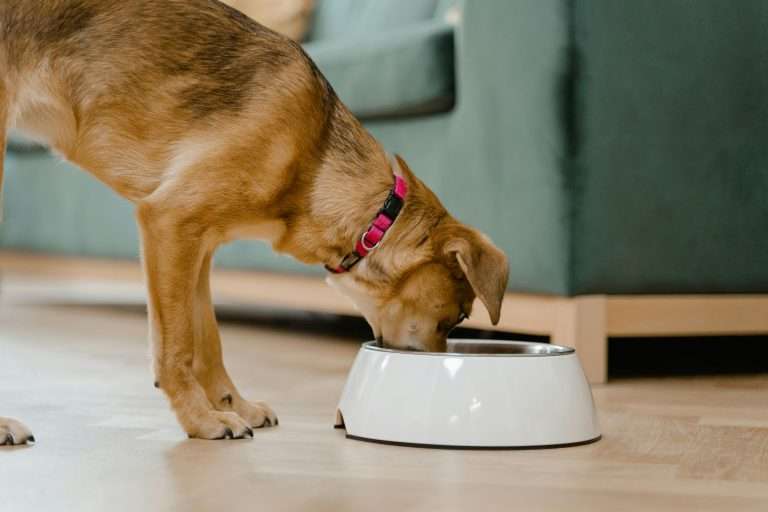
- Morning (Before 9 AM): The best time for the first meal is early in the morning when temperatures are cooler.
- Midday: Avoid feeding large meals during peak heat hours (12 PM – 4 PM), as your dog may feel sluggish or uninterested in food.
- Evening (After 7 PM): Offer a light meal when temperatures drop again, ensuring easier digestion.
This structured approach will ensure your pet gets the nutrition they need without discomfort.
Portion Sizes Based on Activity
Your dog’s summer portion sizes should depend on their activity levels:
- For less active dogs: Reduce portion sizes slightly to prevent unnecessary weight gain.
- For highly active dogs: Increase portions or switch to nutrient-dense foods to compensate for lost energy.
- Monitor their appetite: Some dogs naturally eat less in summer, so force-feeding is unnecessary. Instead, offer smaller meals throughout the day if needed.
Maintaining a balanced dog feeding schedule for summer will help prevent overeating or undernourishment.
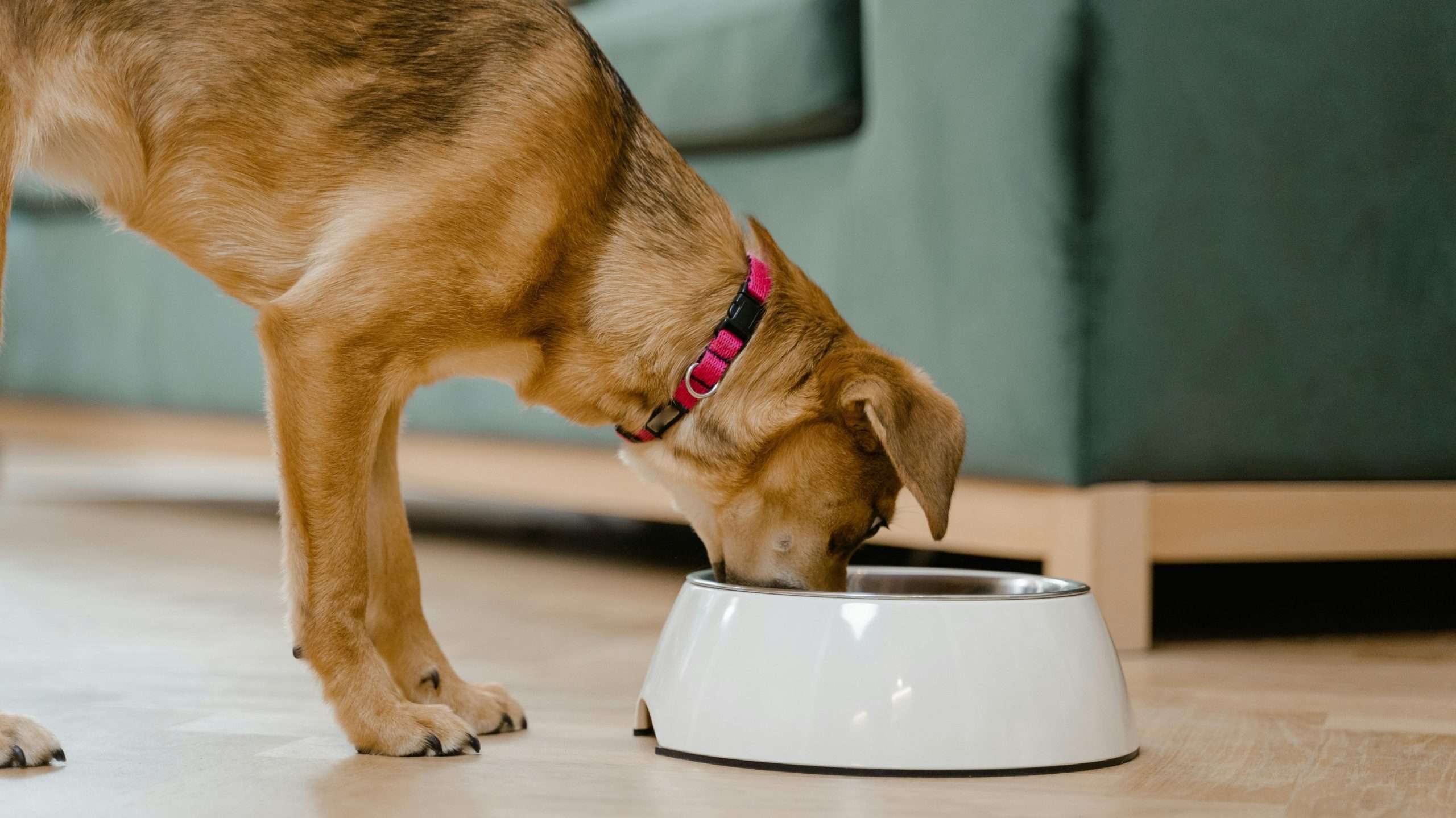
Dog Feeding Schedule for Summer – Choosing the Right Foods for Summer
Dietary adjustments can help keep your dog cool and hydrated. Here are the best food choices for summer:
1. Switch to Wet or Moist Food
Wet food contains more water, making it a great option to prevent dehydration. You can also soak dry kibble in water or bone broth to increase moisture content.
2. Include Hydrating Fruits & Vegetables
Adding water-rich fruits and vegetables can help keep your dog cool:
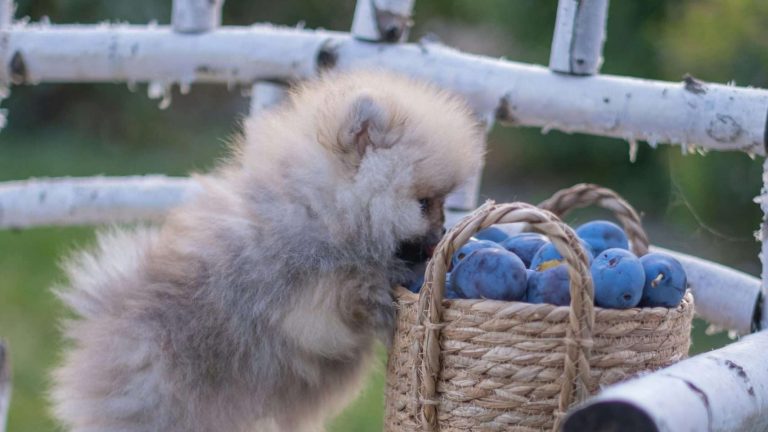
- Safe options: Watermelon (without seeds), cucumber, blueberries, and carrots.
- Avoid toxic foods: Grapes, onions, and avocados should never be given to dogs.
3. Frozen Treats for Extra Hydration
Homemade frozen dog treats can be a great way to help your dog stay cool. Try freezing plain yogurt with small fruit pieces or blending peanut butter with water and freezing it into cubes.
Choosing the right foods will complement your dog’s feeding schedule for summer, ensuring they stay hydrated and well-nourished.
Hydration is Key
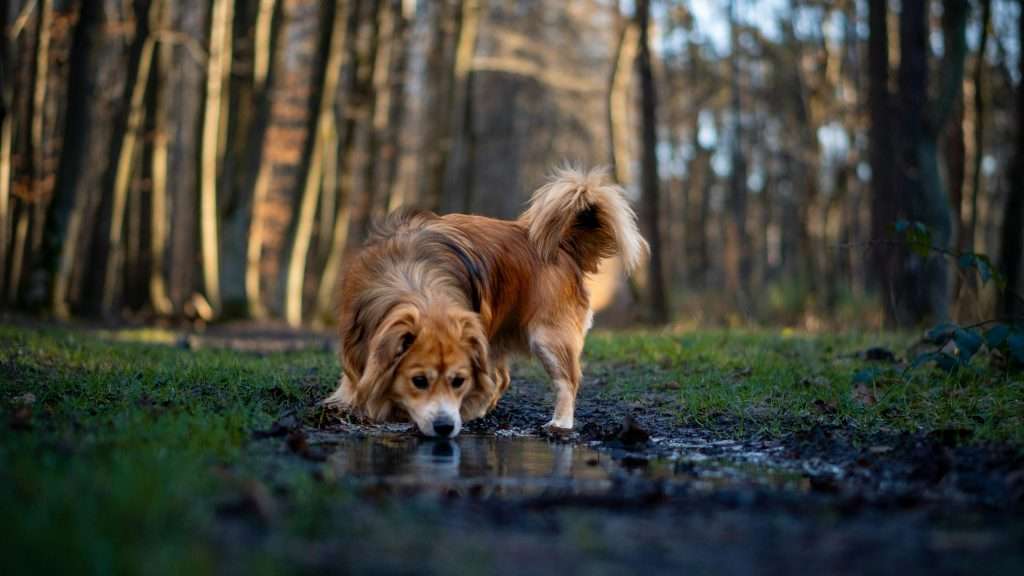
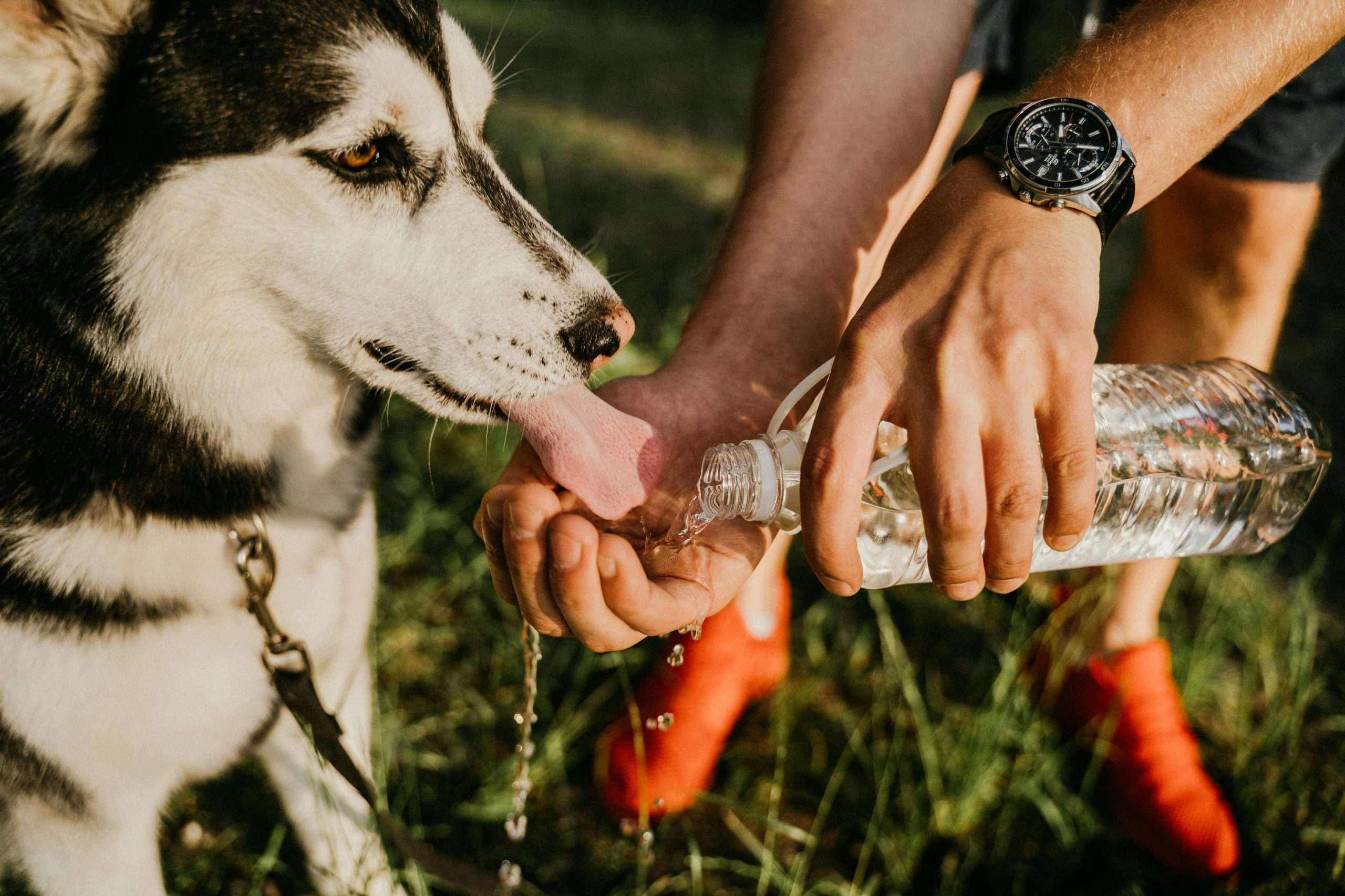
Ensuring proper hydration is one of the most critical aspects of a dog’s diet in summer:
- Keep water bowls full: Always provide fresh, clean water.
- Encourage drinking: If your dog isn’t drinking enough, add water to their food or try dog-friendly broth.
- Use multiple water sources: Place water bowls in different areas of your home and yard.
- Carry water on walks: Bring a portable water bowl when going outdoors.
If your dog shows signs of dehydration – excessive panting, dry gums, or lethargy—consult a vet immediately.
Smaller, More Frequent Meals
Rather than giving two large meals, consider breaking meals into smaller portions. A split feeding routine can make digestion easier:
- 3 to 4 smaller meals per day keeps their energy levels steady without overloading their stomach.
- Dogs that feel too hot to eat a big meal at once might benefit from small, spread-out portions.
Adjusting the dog feeding schedule for summer to include multiple meals can improve digestion and overall well-being.
Summer Safety Tips for Your Dog
Keeping your pet safe during summer goes beyond just food. Here are some additional tips:
1. Prevent Heatstroke
- Keep your dog indoors or in shaded areas during peak heat.
- Never leave them in a parked car.
- Provide cooling mats or fans if needed.
2. Avoid Harmful Summer Foods
- BBQ leftovers: Fatty foods, bones, and seasoning-heavy foods can be harmful.
- Salty snacks: Can cause dehydration and sodium ion poisoning.
- Sugary foods: Avoid giving your dog ice cream or sweet treats.
3. Protect Against Parasites
- Fleas, ticks, and mosquitoes thrive in summer. Use preventive treatments to keep them away.
Combining a proper dog feeding schedule for summer with these safety measures will help your furry friend stay healthy and happy.
Related reads:
Your Guide to Summer Care for Dogs: Beating the Heat
When to Consult a Veterinarian
If your dog shows unusual signs such as:
- Refusing to eat for more than 24 hours
- Extreme lethargy or weakness
- Signs of dehydration despite drinking water
- Digestive issues like vomiting or diarrhea
It’s best to consult a veterinarian to ensure there are no underlying health concerns. A professional can guide you on necessary dietary changes tailored to your dog’s specific needs.
Saying Goodbye
Adjusting the dog feeding schedule for summer is essential to help them cope with the season’s heat. By modifying meal timing, portion sizes, and food choices, you can ensure your pet stays comfortable and healthy. Keeping them well-hydrated, offering cooling foods, and implementing summer safety measures will make the transition easier.
With these simple adjustments, you can help your dog enjoy summer while maintaining their nutrition and well-being. Stay mindful of their needs, and they’ll stay happy and healthy all season long!
FAQs About Dog Feeding Schedule for Summer
How often should I feed my dog in summer?
Stick to the usual feeding routine, but consider offering smaller, more frequent meals if your dog loses appetite due to the heat.
Should I change my dog’s diet during summer?
Yes, opt for lighter, moisture-rich foods to keep them hydrated and avoid heavy, calorie-dense meals that may cause discomfort.
Can I give my dog cold water or ice cubes?
Yes, cool (not icy) water is ideal. Ice cubes are safe in moderation, but avoid giving too many at once to prevent stomach upset.