10 Important Dog Detox Tips for Better Health

Just like humans, dogs are exposed to a variety of toxins daily. These harmful substances come from processed foods, polluted air, tap water, and even household cleaning products. Over time, these toxins accumulate, leading to a weakened immune system, digestive issues, skin problems, and sluggish behavior. This is where a proper dog detox can make a significant difference. By eliminating harmful substances and supporting natural detoxification processes, you can help your furry friend live a healthier, happier life.
A dog detox is not just about a one-time cleanse; it’s about creating a long-term, toxin-free lifestyle. By focusing on diet, hydration, exercise, and natural remedies, you can ensure your dog’s body efficiently eliminates toxins and functions optimally. Here are ten essential detox tips to get started.

1. Provide Fresh, Clean Water
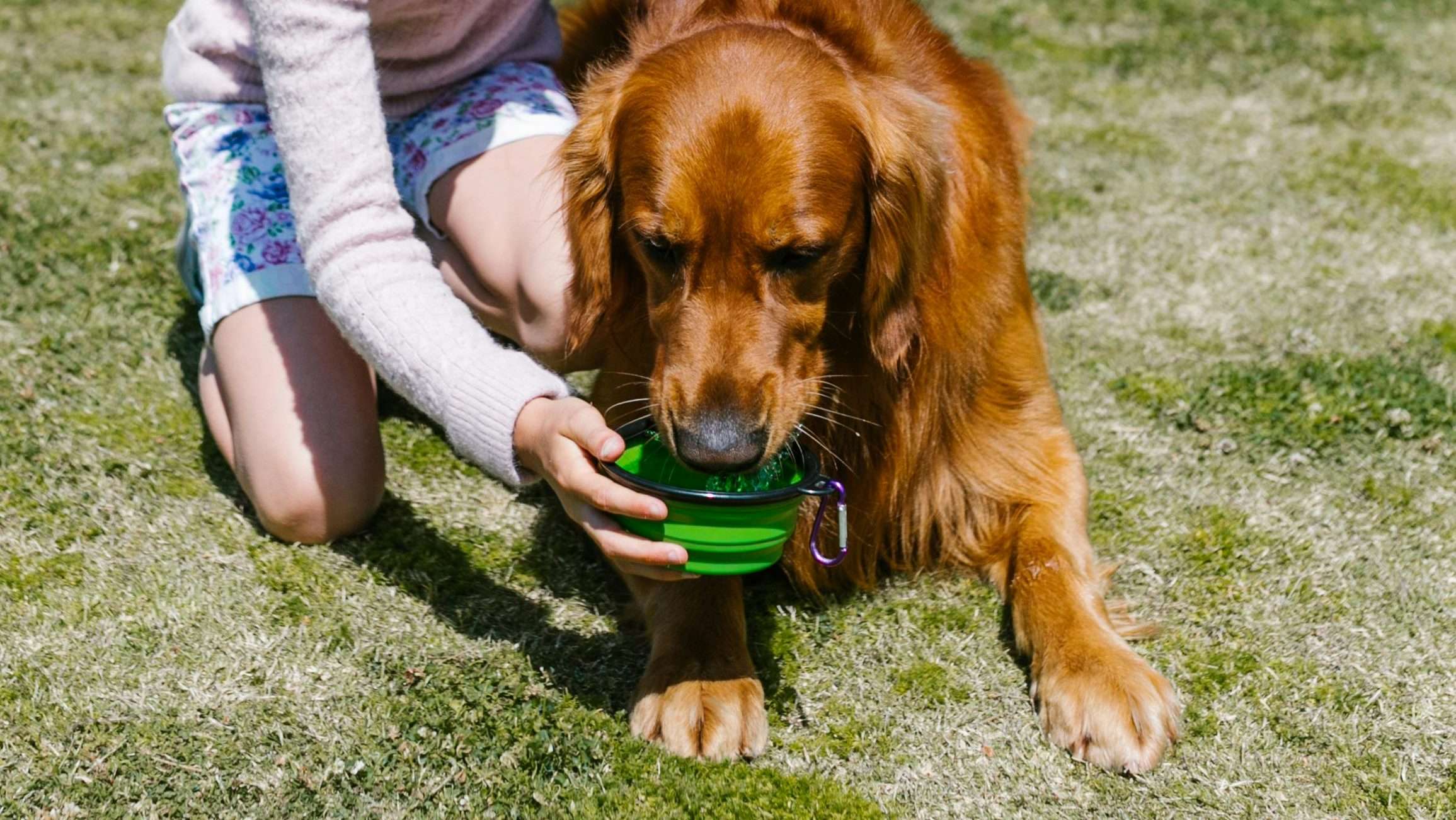
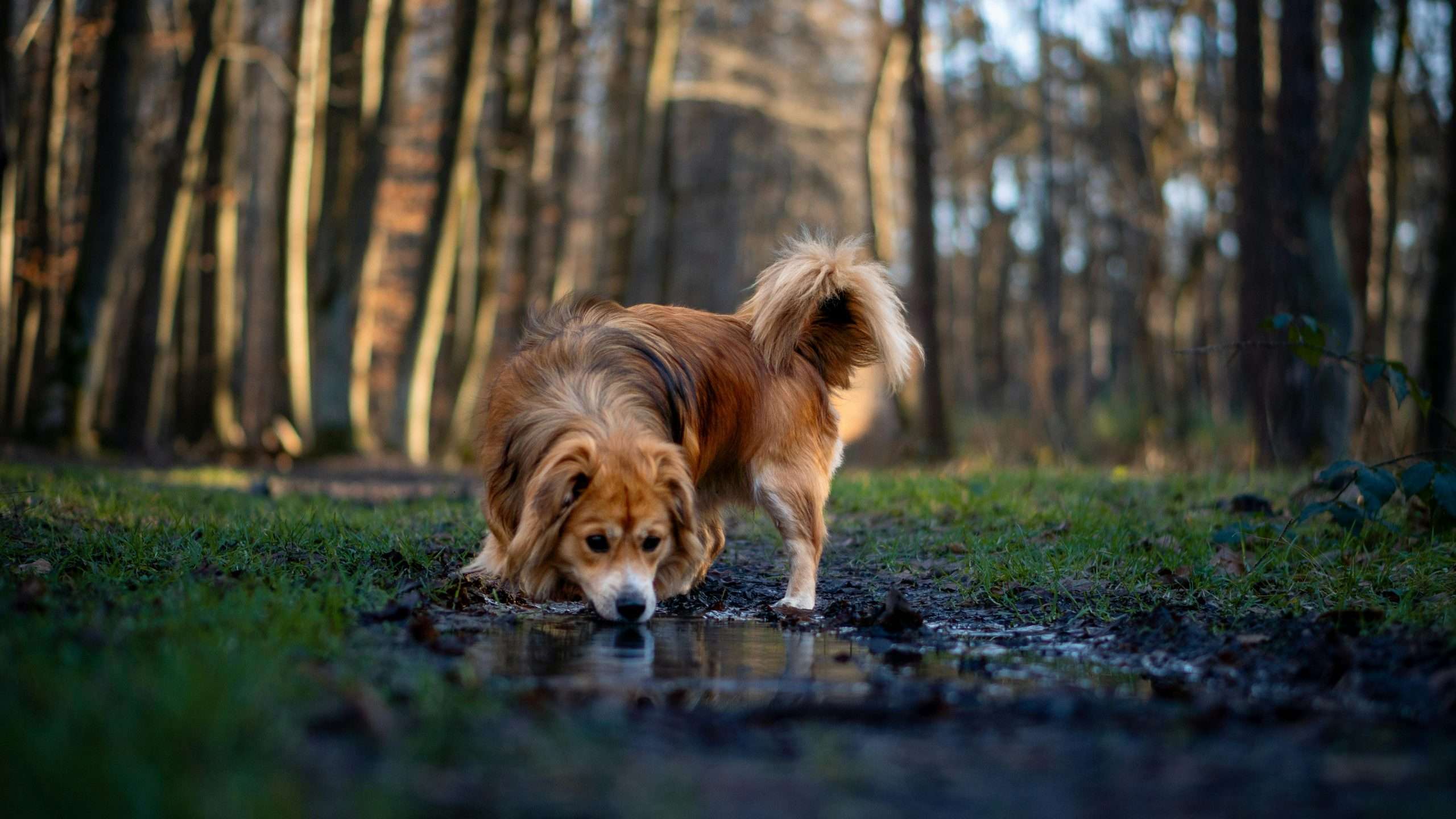
Water is the cornerstone of detoxification. Your dog’s kidneys and liver rely on proper hydration to flush out toxins. However, tap water may contain contaminants such as chlorine, fluoride, and heavy metals that can hinder detoxification. Instead, opt for filtered or spring water to keep your dog hydrated and support their natural cleansing process.
Encouraging your pet to drink more water is essential during a dog detox. Try adding a splash of bone broth or a few drops of coconut water to their bowl to make it more enticing.
2. Switch to a Natural, Whole-Food Diet
Commercial pet foods are often packed with artificial preservatives, additives, and fillers that can burden your dog’s digestive system. A raw or homemade diet consisting of high-quality meats, vegetables, and healthy fats will help cleanse their system and improve their overall well-being.
Some of the best detoxifying foods for dogs include:
- Leafy greens (such as spinach and kale) for chlorophyll and fiber.
- Carrots and beets to support liver function.
- Blueberries and cranberries for their antioxidant properties.
- Coconut oil to aid digestion and remove harmful bacteria.
A natural diet plays a critical role in any dog detox program and ensures their organs function optimally.
Related reads:
10 Fruits Dogs Can and Can’t Eat
3. Minimize Processed Treats and Synthetic Vitamins
Many commercial dog treats and supplements contain artificial flavors, colors, and preservatives that can contribute to toxin buildup. Choose organic, whole-food-based treats and natural supplements instead. Look for treats made with single ingredients like dehydrated meat, sweet potatoes, or green-lipped mussels.
When supporting a dog detox, always check labels for hidden ingredients and avoid anything with vague terms like “meat by-products” or “artificial flavoring.”

4. Add Natural Detoxifying Foods
Incorporating specific detoxifying foods into your dog’s diet can enhance liver function and aid digestion. Some excellent options include:
- Turmeric: Helps with inflammation and supports liver detoxification.
- Milk thistle: Known for its ability to cleanse the liver.
- Dandelion greens: Aid kidney function and remove toxins.
- Pumpkin seeds: Help eliminate parasites naturally.
These superfoods can be mixed into meals to support a gradual and effective dog detox process.
5. Encourage Periodic Fasting
Fasting allows the digestive system to reset and focus on eliminating waste rather than constantly processing food. Consider introducing short fasting periods, such as skipping one meal per week or feeding only bone broth for a day. This gentle approach can significantly support your dog’s natural detoxification mechanisms.
Periodic fasting is an ancient method that aids a deeper dog detox, giving the body time to repair and cleanse itself without overburdening the organs.
6. Detoxify Through Skin and Coat Care
Your dog’s skin is one of its primary detoxification organs. Regular brushing removes dead skin cells and helps circulate natural oils, while bathing with a natural, chemical-free shampoo removes dirt and toxins. Avoid commercial shampoos loaded with sulfates and parabens, as they introduce additional toxins into the body.
To enhance your dog detox routine, consider:
- Giving occasional Epsom salt baths to draw out impurities.
- Using coconut oil as a moisturizer to reduce inflammation and improve skin health.
- Wiping paws after walks to remove pesticides and pollutants.
7. Increase Physical Activity

Exercise plays a crucial role in detoxification. Regular physical activity stimulates blood circulation, improves digestion, and enhances lymphatic drainage, all of which help remove toxins more efficiently.
Try incorporating:
- Daily walks in natural areas, away from traffic pollution.
- Swimming sessions to support joint health and detoxification.
- Playtime that encourages movement and deep breathing.
A well-exercised dog will naturally detox through sweating and improved digestion, making physical activity a must in any dog detox plan.
8. Reduce Exposure to Environmental Toxins
Toxins are not only ingested through food but also absorbed through the skin and inhaled. Many household cleaning agents, air fresheners, and pesticides contain harmful chemicals that can accumulate in your dog’s system. Switch to pet-safe, non-toxic alternatives for cleaning your home and yard.
Additionally, avoid excessive exposure to:
- Synthetic flea and tick treatments (opt for natural solutions instead).
- Plastic food and water bowls that may leach chemicals.
- Artificial fragrances in candles or room sprays.
Reducing these environmental hazards significantly supports a successful dog detox journey.
9. Support Liver Function with Herbal Remedies
The liver is the main detox organ, and keeping it in peak condition is essential. Herbal supplements such as milk thistle, burdock root, and dandelion root have been shown to enhance liver function and protect against toxin damage.
These herbs can be given in powdered form or added to your dog’s food. Always start with small doses and monitor your dog’s reaction to new supplements.
When implementing a dog detox, focusing on liver health ensures long-term benefits and prevents toxin overload.
10. Boost Immunity with Antioxidants
Antioxidants help neutralize harmful free radicals and support detoxification at the cellular level. Foods rich in antioxidants include:
- Berries (blueberries, blackberries, raspberries)
- Green leafy vegetables
- Fish oil for omega-3 fatty acids
- Organic eggs for essential vitamins and minerals
By strengthening your dog’s immune system, antioxidants make the dog detox process more effective and sustainable.
Recognizing Signs Your Dog Needs a Detox
Common symptoms indicating your dog may benefit from a dog detox include:
- Lethargy and low energy levels
- Frequent ear infections or skin irritations
- Bad breath or digestive issues
- Excessive shedding or dull coat
- Unexplained weight gain or bloating
If you notice these signs, gradually introduce detox-friendly practices to help your dog regain optimal health.
Final Thoughts on Dog Detox for Long-Term Health
A dog detox isn’t just about a quick cleanse – it’s about making healthier choices for your pet every day. By providing clean water, whole foods, natural supplements, and a toxin-free environment, you create a lifestyle that supports their well-being.
Detoxing your dog doesn’t have to be overwhelming. Small, consistent changes will yield long-term benefits, ensuring your furry friend remains energetic, vibrant, and free from toxin-related health issues. Start today, and watch your dog thrive!