Dog Agility Training at Home for Beginners: Simple Steps to Get Started

Keeping a dog active and mentally engaged is one of the most important parts of responsible pet care. Many owners focus on daily walks and playtime, but structured activities can offer even greater benefits. One activity that combines exercise, focus, and teamwork is dog agility training.
Often seen in competitions, agility might appear complicated at first. However, beginners can easily introduce dog agility training at home using simple obstacles and short practice sessions. The goal is not speed or perfection in the beginning. It is about helping your dog move through small challenges while listening to your guidance.

When practiced consistently, dog agility training can strengthen communication between you and your dog while providing healthy physical activity. With patience and the right approach, even first time trainers can successfully start this activity at home.
What Is Dog Agility Training and Why Dogs Enjoy It
Dog agility training is a structured activity where dogs move through a set of obstacles while following instructions from their handler. These obstacles can include tunnels, jumps, weave poles, and ramps.
The handler guides the dog using voice commands, hand signals, and body movement. The dog learns to respond quickly and navigate the obstacles in the correct order.
Dogs often enjoy this activity because it feels like an exciting game. Moving through obstacles keeps them physically active while also challenging their minds. Activities that involve problem solving tend to keep dogs more engaged than repetitive exercises.
Another reason dogs respond well to agility work is the positive reinforcement involved. Praise, treats, and toys are commonly used as rewards. Over time, dogs associate these rewards with completing tasks successfully.
Benefits of Dog Agility Training for Beginners
Introducing dog agility training into your dog’s routine can provide several benefits.
First, it supports physical health. Running, jumping, and weaving help dogs develop stronger muscles and better coordination. Dogs that stay active are less likely to develop weight related health issues.
Mental stimulation is another major advantage. Learning how to approach and complete obstacles requires concentration. Dogs that regularly participate in activities like this often display fewer boredom related behaviors.
Agility exercises also strengthen the connection between dogs and their owners. Because the activity relies on communication and guidance, dogs learn to pay closer attention to their handler.
Confidence building is another important outcome. When a dog successfully completes an obstacle, it learns that it can handle new challenges. This can be especially helpful for dogs that tend to be shy or hesitant.
Related reads:
Master a Consistent Dog Training Routine: 10 Tips for Consistency
Things to Know Before Starting Dog Agility Training at Home
Starting agility practice is easier when you prepare properly. A few basic steps can make the experience safer and more enjoyable for both you and your dog.
Basic obedience before dog agility training
Dogs should understand simple commands such as sit, stay, and come. These commands help maintain control during training sessions.
If your dog is still learning these basics, it is best to practice them regularly before adding obstacle exercises.
Choose a safe space for practice
The training area should be free from sharp objects, slippery surfaces, or clutter. Outdoor grass areas often work well because they provide natural grip and cushioning.
Indoor practice spaces should have enough room for movement and minimal distractions.
Keep sessions short
Short sessions work best for beginners. Five to ten minutes of practice helps dogs stay focused without becoming tired or frustrated.
Regular short sessions usually produce better results than occasional long training periods.
Easy Obstacles for Beginner Dog Agility Training at Home
You do not need expensive equipment to begin. Many simple obstacles can be created using items found around the house.
Jump obstacles
A low jump can be made using a broomstick balanced between two sturdy objects. The bar should be placed very low at first so your dog can comfortably step over it.
As your dog becomes more comfortable, the height can be increased gradually.
Tunnel obstacles
Dogs often enjoy running through tunnels. A simple tunnel can be made using cardboard boxes lined up in a row or a blanket placed over two chairs to create a small passage.
Encourage your dog to move through the tunnel using treats or toys.
Weave poles
Weave poles teach dogs to move in a zigzag pattern. Plastic bottles, garden sticks, or cones can be placed in a straight line with space between them.
Guide your dog slowly through the spaces until it begins to understand the pattern.
Step by Step Beginner Dog Agility Training Plan
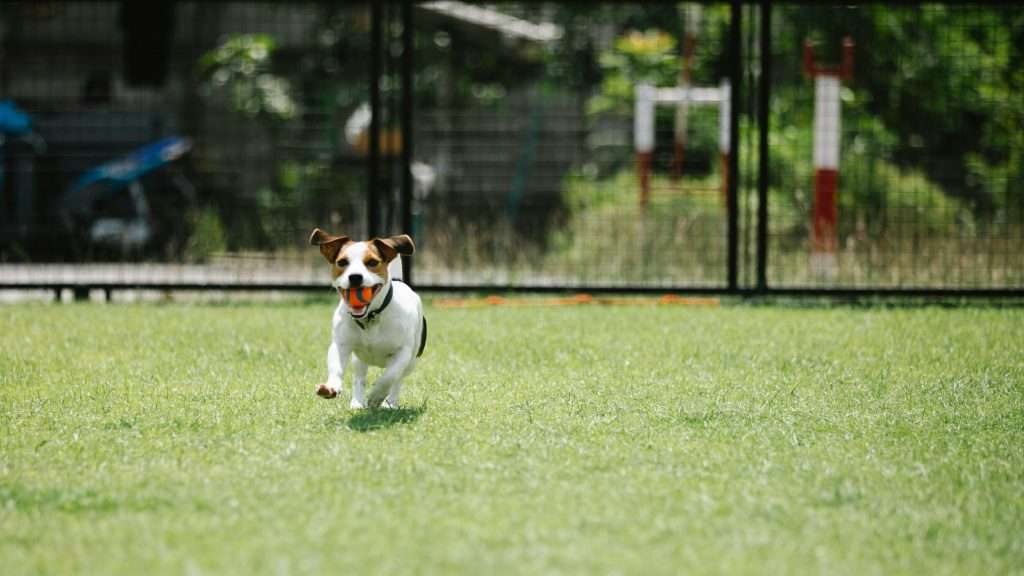
Starting slowly helps your dog feel confident and prevents frustration.
Build motivation first
Before introducing obstacles, make sure your dog is interested and attentive. Treats, toys, and praise can help create excitement before practice begins.
Positive reinforcement encourages dogs to participate willingly.
Introduce one obstacle at a time
Avoid placing several obstacles together during early sessions. Begin with a single obstacle such as a tunnel or a low jump.
Allow your dog to explore and understand the task before adding another challenge.
Guide your dog carefully
Walk beside your dog and guide it using clear voice commands and hand signals. Encourage your dog when it moves in the correct direction.
Patience is important during early practice sessions.
Increase difficulty gradually
Once your dog becomes comfortable with one obstacle, you can begin combining two or three obstacles into a short sequence.
Gradual progress helps your dog learn without feeling overwhelmed.
Practice regularly
Consistency helps reinforce new skills. A few short practice sessions each week can help your dog improve coordination and confidence.
Common Beginner Mistakes
Many beginners unintentionally make mistakes that slow progress.
One common mistake is increasing difficulty too quickly. Dogs need time to understand each obstacle before moving on to more complex sequences.
Another mistake is setting obstacles too high or too challenging in the beginning. This can make dogs hesitant or uncomfortable.
Long training sessions are also a common issue. Dogs learn better with short and positive practice periods.
Finally, frustration or harsh corrections can reduce motivation. Positive reinforcement remains the most effective training approach.
Safety Tips for Dog Agility Training at Home
Safety should always be the top priority when practicing dog agility training.
Choose surfaces that provide good traction. Slippery floors can increase the risk of injuries during dog agility training.
Start with low obstacles and increase difficulty gradually. This allows your dog’s muscles and joints to adapt to the movements involved in dog agility training.
Observe your dog’s behavior closely. If your dog seems tired or uncomfortable, take a break. Forcing a dog to continue dog agility training when they are exhausted can lead to injuries.
Dogs with existing joint problems should be evaluated by a veterinarian before beginning dog agility training.
Wrapping Up
Starting dog agility training at home is easier than many people expect. With simple obstacles, positive reinforcement, and consistent practice, beginners can introduce their dogs to this engaging activity without expensive equipment.
Regular dog agility training helps dogs stay physically active, mentally stimulated, and emotionally connected to their owners. Even simple training sessions can improve confidence and obedience while giving dogs a healthy outlet for their energy.
The most important thing to remember is to keep dog agility training fun and rewarding. When dogs enjoy the activity, they learn faster and look forward to every training session.