Dietary Requirements for Dalmatians: 2024 Guide


Are you constantly worried about your Dalmatian’s health, fearing those dreaded urinary stones? You’re not alone. Despite being the 56th most popular breed in the world in 2018, Dalmatians come with unique challenges that can leave even experienced dog owners scratching their heads. But here’s the thing: there will always be Dalmatian lovers, drawn to their distinctive spots and vivacious personalities. The secret to keeping these beloved dogs healthy? It’s all in their diet.
This article covers the dietary requirements for Dalmatians, offering insights that both new and experienced owners will find valuable. Whether you’re just welcoming a Dalmatian into your home or looking to refine your long-time companion’s diet, understanding these nutritional needs is key to keeping your spotted friend healthy and happy.

Understanding Dalmatian Physiology
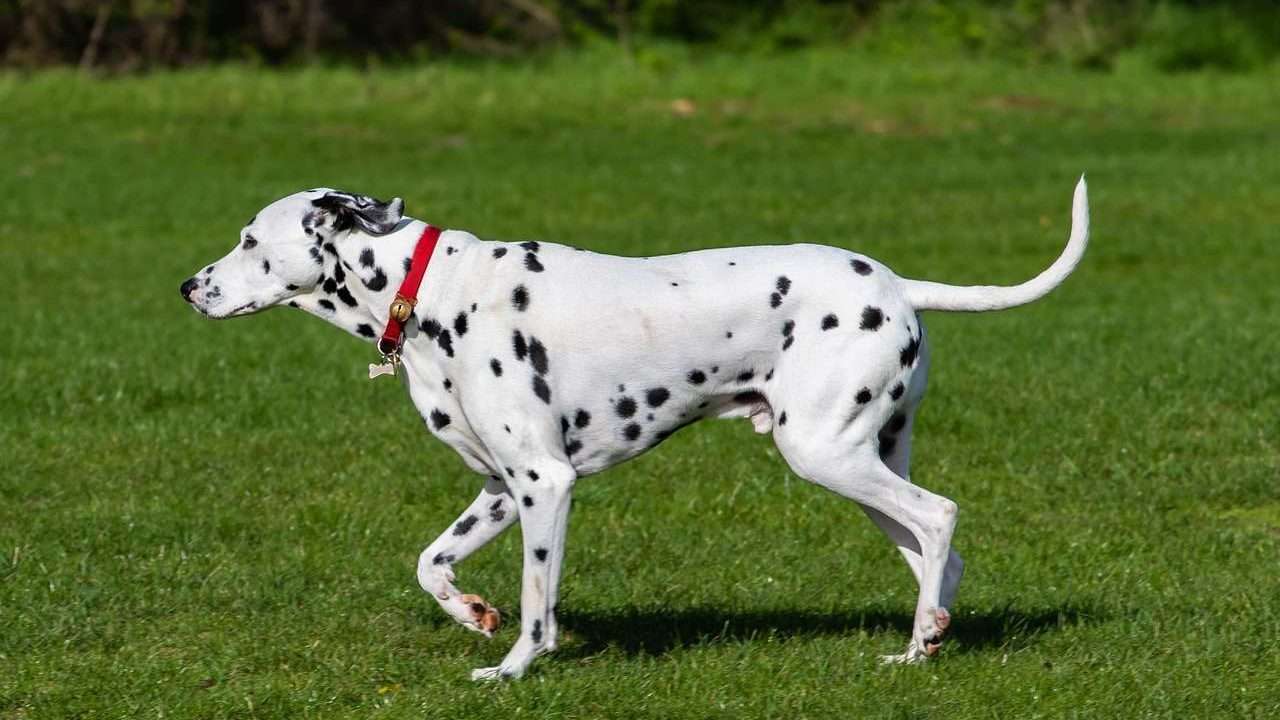
To understand the dietary requirements for Dalmatians, it’s crucial to understand their unique physiology. Dalmatians have a genetic predisposition that affects their purine metabolism. Unlike most dogs, Dalmatians cannot efficiently break down purines, leading to higher levels of uric acid in their system. This characteristic makes them prone to developing urinary stones, particularly urate stones.
The majority of Dalmatians are what’s known as HUA (High Uric Acid) Dalmatians. However, through selective breeding, some Dalmatians are now born as LUA (Low Uric Acid) Dalmatians, which have a lower risk of developing urate stones. Regardless of their type, all Dalmatians benefit from a carefully managed diet.
Key Dietary Requirements for Dalmatians
This section covers the key dietary requirements for Dalmatians; from protein needs to optimal water intake.
Protein Requirements
Contrary to some misconceptions, Dalmatians do not need a low-protein diet. Instead, they require high-quality, low-purine proteins. Good protein sources for Dalmatians include:
- Chicken
- Turkey
- Eggs
- Certain types of fish (avoiding high-purine options like sardines)
Carbohydrate Needs
Carbohydrates provide essential energy for Dalmatians. Opt for easily digestible carbohydrates such as:
- Rice
- Potatoes
- Sweet potatoes
- Pumpkin
Fat Content
A moderate amount of fat is necessary for a balanced Dalmatian diet. Healthy fat sources include:
- Fish oil (rich in omega-3 fatty acids)
- Flaxseed oil
- Chicken fat
Essential Vitamins and Minerals
Dalmatians require a range of vitamins and minerals for optimal health. Key nutrients include:
- Vitamin E for coat health
- Calcium and phosphorus for strong bones
- B-complex vitamins for overall health
Low-Purine Diet for Dalmatians
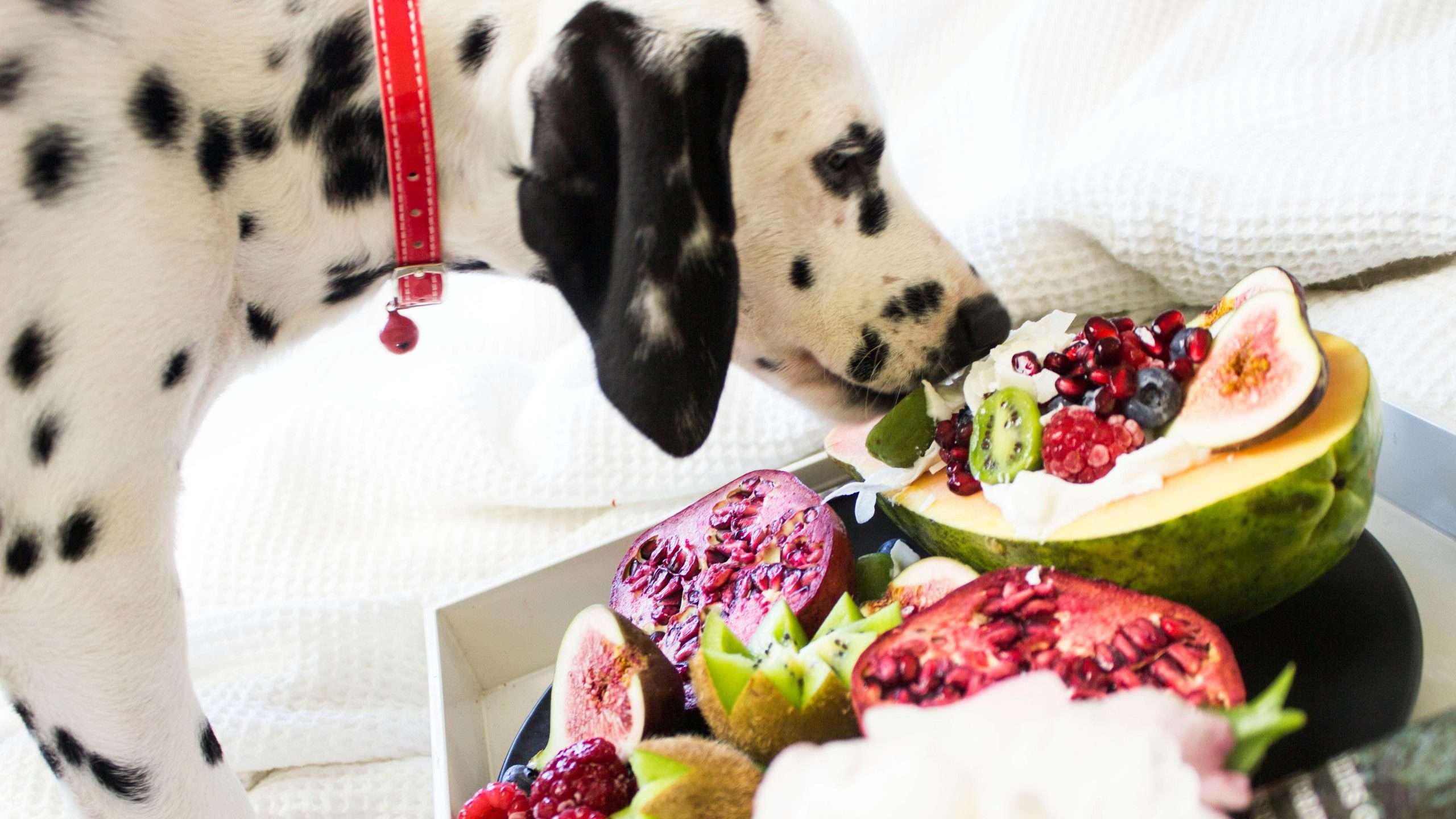
The cornerstone of a Dalmatian’s diet is its low-purine content. Purines are naturally occurring substances found in many foods, which break down into uric acid. Foods low in purines that are suitable for Dalmatians include:
- Most vegetables (except for cauliflower, spinach, and mushrooms)
- Fruits (in moderation due to sugar content)
- Dairy products like cottage cheese and yogurt
Foods to avoid due to high purine content:
- Organ meats (liver, kidney)
- Sardines, anchovies, and mackerel
- Game meats
- Yeast (including nutritional yeast)
Hydration: A Critical Component
Proper hydration is crucial for Dalmatians to help flush out uric acid and prevent stone formation. Ensure your Dalmatian always has access to fresh, clean water. Some strategies to encourage water intake include:
- Using water fountains
- Adding water to dry food
- Offering ice cubes as treats
Feeding Guidelines for Dalmatians
Portion Control: Overfeeding can lead to obesity, which puts additional strain on a Dalmatian’s joints and increases the risk of health issues. Use measuring cups to ensure accurate portion sizes.
Feeding Frequency: Adult Dalmatians typically do well with two meals per day. Puppies may require three to four smaller meals.
Age-Specific Considerations: Puppies, adults, and senior Dalmatians have different nutritional needs. Consult with your veterinarian to adjust the diet as your Dalmatian ages.
Related reads:
Why Are Chihuahuas So Aggressive? 7 Ways to Manage
Choosing the Right Dog Food
When selecting commercial dog food for your Dalmatian, look for:
- High-quality, named protein sources
- Limited ingredient lists
- No artificial preservatives or colors
- Appropriate protein and fat levels
Some Dalmatian owners opt for homemade diets or raw feeding. If considering these options, consult with a veterinary nutritionist to ensure the diet is balanced and meets your Dalmatian’s specific needs.
Supplements for Dalmatians
While a well-balanced diet should provide most necessary nutrients, some Dalmatians may benefit from supplements:
- Omega-3 fatty acids for skin and coat health
- Glucosamine and chondroitin for joint support
- Probiotics for digestive health
Always consult with your veterinarian before adding any supplements to your Dalmatian’s diet.
Managing Dalmatian Weight and Condition
Maintaining a healthy weight is crucial for Dalmatians. Obesity can lead to various health issues and exacerbate joint problems. Regular exercise, combined with proper nutrition, helps keep Dalmatians in optimal condition. Adjust food portions based on your dog’s activity level and body condition.
Special Dietary Considerations
LUA vs. HUA Dalmatians: LUA Dalmatians may have more flexibility in their diet due to their improved ability to process purines. However, a balanced, high-quality diet is still essential for their overall health.
Active and Working Dalmatians: Dalmatians with high activity levels may require additional calories and nutrients. Consider performance dog foods or consult with a nutritionist to meet their increased energy needs.
Common Dietary Issues and Solutions

Allergies and Sensitivities
Some Dalmatians may develop food allergies or sensitivities. Common allergens include beef, dairy, and wheat. If you suspect a food allergy, work with your veterinarian to identify the cause and adjust the diet accordingly.
Picky Eaters
While not common in Dalmatians, some may be selective about their food. Strategies to encourage eating include:
- Warming the food slightly
- Adding a small amount of low-sodium broth
- Gradually transitioning to new foods
Consulting Professionals
The importance of professional guidance in managing a Dalmatian’s diet cannot be overstated. Regular check-ups with your veterinarian can help monitor your dog’s health and adjust their diet as needed. For complex cases or homemade diets, consulting a veterinary nutritionist ensures your Dalmatian receives optimal nutrition tailored to their specific needs.
Saying Goodbye!
Meeting the dietary requirements for Dalmatians requires attention to detail and an understanding of their unique physiology. By providing a balanced, low-purine diet, ensuring proper hydration, and working closely with veterinary professionals, Dalmatian owners can help their spotted companions lead healthy, active lives. Remember that each Dalmatian is an individual, and their dietary needs may vary based on factors such as age, activity level, and overall health. Regular monitoring and adjustments to the diet as needed will help keep your Dalmatian in top condition for years to come.
Hope this article on “Dietary requirements for dalmatians : an in-depth guide” helpful. Feel free to let us know your thoughts in the comment section below.
FAQs on Dietary Requirements for Dalmatians
Can Dalmatians eat regular dog food?
While some commercial dog foods may be suitable, it’s best to choose foods specifically formulated for Dalmatians or low-purine diets.
How often should I feed my Dalmatian?
Adult Dalmatians typically do well with two meals per day, while puppies may need three to four smaller meals.
Are there any fruits or vegetables Dalmatians should avoid?
Avoid high-purine vegetables like spinach, cauliflower, and mushrooms. Most other fruits and vegetables are safe in moderation.
Is a raw diet good for Dalmatians?
A properly balanced raw diet can be suitable for Dalmatians, but it’s crucial to work with a veterinary nutritionist to ensure all nutritional needs are met.
How can I tell if my Dalmatian is at a healthy weight?
You should be able to feel your Dalmatian’s ribs without excess fat covering. They should have a visible waist when viewed from above.


![German Shepherd Dog Breed Health and Care[2024]](https://100dogbreeds.com/wp-content/uploads/2024/07/German-Shepherd-with-owner-scaled-e1719856225884-768x384.jpg)