Dark Gums in Dogs: What Pet Owners Should Know

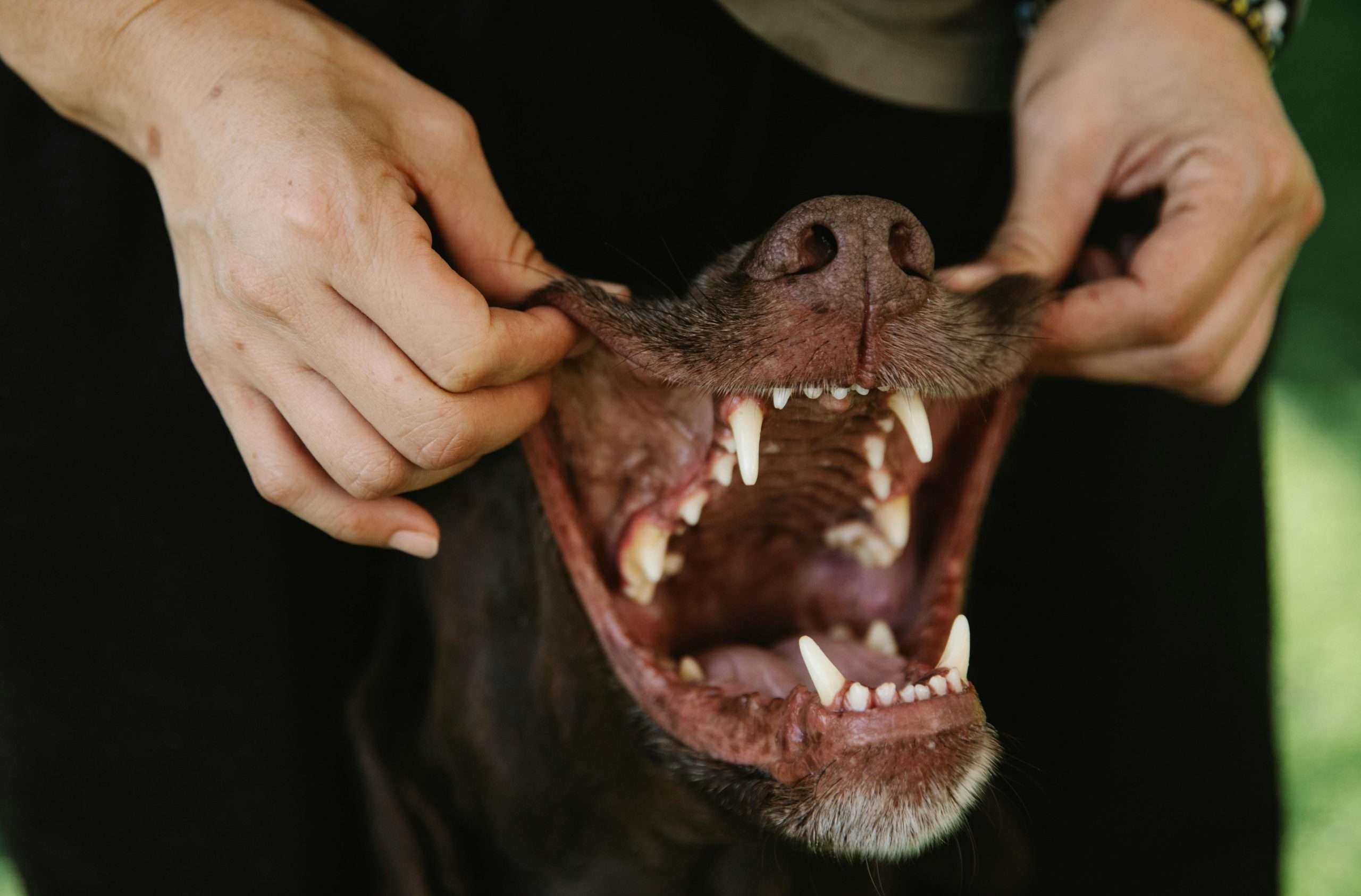
When it comes to monitoring your dog’s health, gum color can reveal a lot. Healthy gums are usually a light pink, which indicates proper blood circulation and overall wellness. But what happens if you notice dark gums in dogs? For some breeds, darker pigmentation is completely normal. For others, it can point to dental disease, oral tumors, or systemic health problems that require attention. Understanding the difference between harmless pigmentation and concerning discoloration can help you protect your pet’s health.
What Do Normal Dog Gums Look Like?
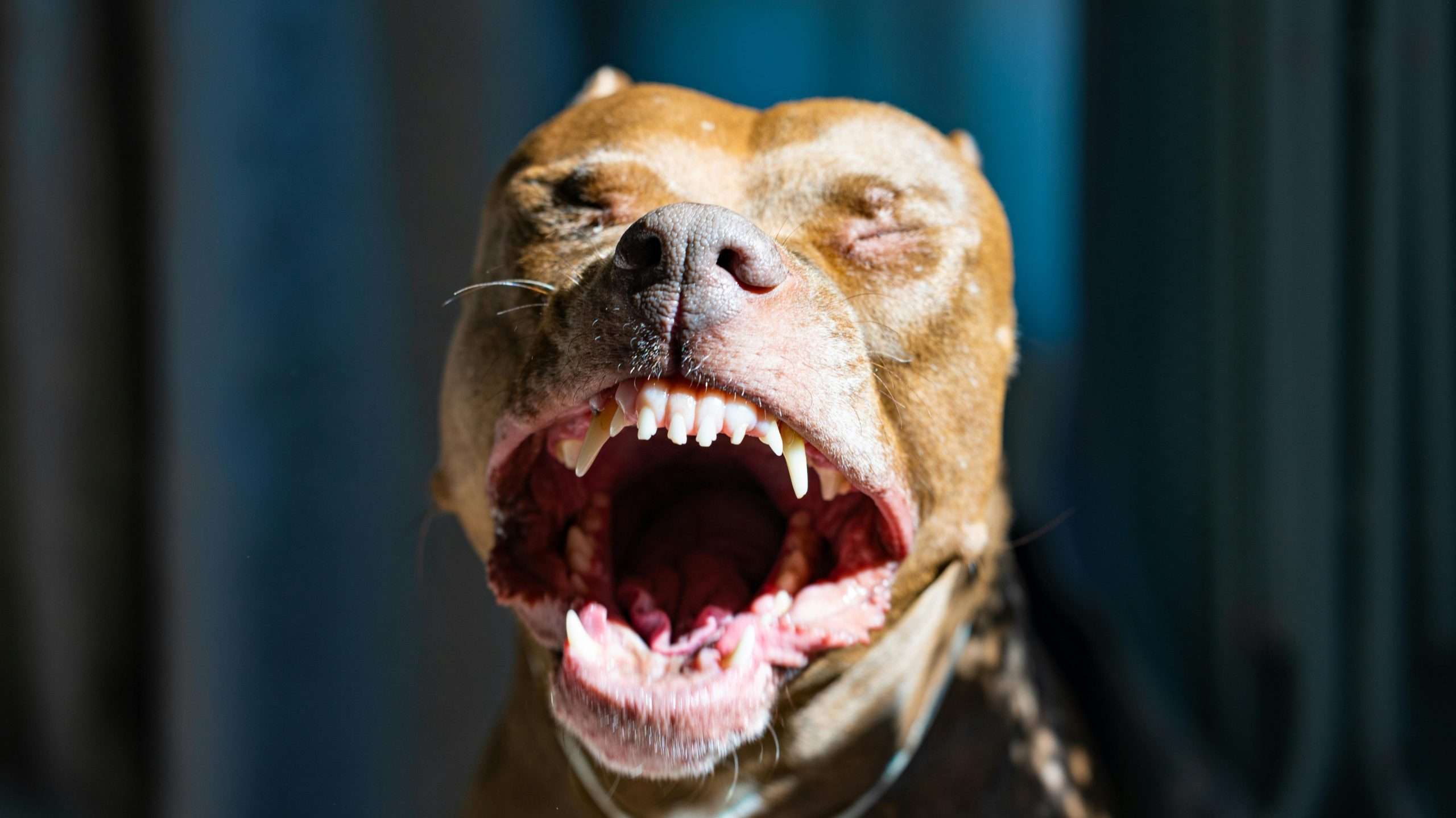
Most healthy dogs have gums that are bubblegum pink, moist, and smooth. A healthy gum color also means oxygen is circulating properly in the bloodstream. However, not all dogs share the same gum shade. Certain breeds are genetically predisposed to have naturally pigmented gums.

Breeds such as Chow Chows, Shar Peis, Dalmatians, Mastiffs, and some Pit Bulls can have dark patches or even fully black gums as part of their normal appearance. In these cases, the pigmentation is not harmful. Still, if the gum color suddenly changes or is accompanied by other symptoms, it may no longer be normal and should be evaluated by a veterinarian.
When Are Dark Gums in Dogs Normal?
Naturally dark pigmentation is considered normal in some breeds. If your dog has had black or spotted gums since puppyhood, this is likely just part of their unique appearance. The key is consistency. As long as the gum color has not changed suddenly and your pet shows no other signs of illness, it is generally nothing to worry about.
A useful rule of thumb is to look for changes over time. If your dog’s gums were once pink and now appear dark or blotchy, it may point to an underlying condition. Similarly, if naturally dark gums start showing inflammation, bleeding, or bad odor, it could indicate disease.
Causes of Dark Gums in Dogs
There are many potential reasons for gum discoloration. Some are harmless, while others are more serious.
Breed-Related Pigmentation
As noted, some dogs are genetically predisposed to have dark gums. This type of pigmentation does not require treatment unless there are additional concerning symptoms.
Dental and Gum Diseases

Poor dental hygiene is one of the most common causes of abnormal dark gums in dogs. Gingivitis, an early stage of gum disease, can create dark lines along the gumline. Left untreated, gingivitis can progress to periodontal disease, leading to gum recession, bleeding, infection, and even tooth loss. Dogs with periodontal disease often develop foul breath along with gum discoloration.
Growths and Tumors
Oral melanoma is the most common malignant tumor in dogs’ mouths. It often appears as dark patches or raised growths on the gums. Periodontal tumors, both benign and malignant, can also lead to abnormal discoloration. Early veterinary diagnosis is critical in these cases.
Skin and Pigment Disorders
A condition called acanthosis nigricans can cause pigmentation changes, including on the gums. While this is more common on the skin, the gums may sometimes be affected.
Other Medical Conditions
Darkened gums can sometimes signal problems unrelated to the mouth. Poor circulation, certain metabolic diseases, and immune system issues may lead to abnormal gum coloring. This is why veterinary evaluation is important when gum changes appear suddenly.
Symptoms to Watch Alongside Dark Gums in Dogs
If your dog has always had pigmented gums and seems healthy otherwise, there is usually no cause for concern. However, if gum discoloration appears suddenly or is accompanied by other symptoms, it may indicate illness. Warning signs include:
- Persistent bad breath
- Bleeding or inflamed gums
- Loose or missing teeth
- Loss of appetite
- Lethargy or unusual behavior
These symptoms combined with dark gums in dogs mean that veterinary care should not be delayed.
Diagnosing the Cause of Dark Gums in Dogs

Veterinarians will start with a physical examination and a detailed oral check. They may recommend dental X-rays to assess for periodontal disease or hidden infections. If a growth is present, a biopsy can determine whether it is benign or malignant. Bloodwork may also be used to rule out systemic diseases. In some cases, advanced imaging such as ultrasound or CT scans may be suggested to get a clearer view of the mouth and surrounding tissues. Owners should also provide a full health history, including diet, dental care routine, and recent changes in behavior, since these details can help narrow down the possible causes.
An accurate diagnosis is important because treatment varies depending on the underlying cause.
Treatment Options for Dark Gums in Dogs
Oral Care and Dental Cleaning
If the discoloration is linked to poor dental health, your vet may recommend professional cleaning and a home dental care routine. Brushing your dog’s teeth regularly with dog-safe toothpaste can help prevent further gum problems.
Medications
Antibiotics, anti-inflammatory drugs, or medicated oral rinses may be prescribed to manage gum disease.
Surgery and Advanced Treatments
For oral tumors such as melanoma, surgery is often required to remove the growth. Depending on the severity, radiation therapy, chemotherapy, or immunotherapy may also be suggested to prevent spread.
Diet and Lifestyle Changes
Dogs with mild gum issues may benefit from a diet that supports oral health. Specially designed dental chews and diets can help reduce plaque buildup and keep gums healthier.
Related reads:
10 Dog Tongue Facts Every Pet Parent Should Know
Home Care and Prevention Tips
Prevention is always easier than treatment. Here are some steps pet owners can take:
- Brush your dog’s teeth at least several times per week with pet-safe toothpaste.
- Schedule regular veterinary dental checkups.
- Use dental chews or toys to reduce plaque buildup.
- Monitor your dog’s gums frequently to spot changes early.
- Provide a balanced diet that supports oral and overall health.
By staying proactive, you can reduce the risk of dental disease and avoid serious complications related to gum discoloration.
Wrapping Up
Not all cases of dark gums in dogs are a reason to panic. For some breeds, pigmented gums are completely normal. However, when gum color changes suddenly or is linked with other health issues, it can signal dental disease, tumors, or more serious conditions. By keeping a close eye on your dog’s gums, maintaining good dental hygiene, and seeking veterinary advice when needed, you can ensure your pet stays healthy and comfortable.




![Brushing and Combing Your Dog – All You Need to Know [2024]](https://100dogbreeds.com/wp-content/uploads/2024/06/image-8-768x512.png)