Dachshund Puppies: Everything You Need to Know


When you first lay eyes on a dachshund puppy, it’s hard not to fall in love instantly. These adorable, elongated bundles of joy have captured hearts worldwide with their unique appearance and spirited personalities. Affectionately known as “wiener dogs” or “doxies,” dachshund puppies bring an unparalleled charm to any household.
The story of dachshund puppies begins centuries ago in Germany, where their name literally translates to “badger dog.” For over 600 years, these remarkable canines were bred to hunt underground, using their long, low-to-the-ground bodies to pursue prey through intricate tunnel systems. Today’s dachshund puppies may no longer hunt badgers, but they’ve retained the bold spirit and incredible sense of adventure that made them legendary hunters.

In this article, let us cover everything you need to know about Dachshund puppies.
A Unique Breed with Remarkable History
Artists and cultural icons have long been fascinated by dachshund puppies. Pablo Picasso cherished his beloved dachshund, Lump, while Andy Warhol immortalized these charming dogs in his pop art. Their distinctive silhouette – a long body perched on short legs – has become an instantly recognizable symbol of canine individuality.
Dachshund puppies come in three distinct coat varieties: smooth, wirehaired, and long-haired. Each type offers its own unique aesthetic and grooming requirements. The standard dachshunds typically stand about 8-9 inches tall and weigh between 16-32 pounds, while miniature versions are even more compact, measuring 5-6 inches and weighing under 11 pounds.
Temperament and Personality
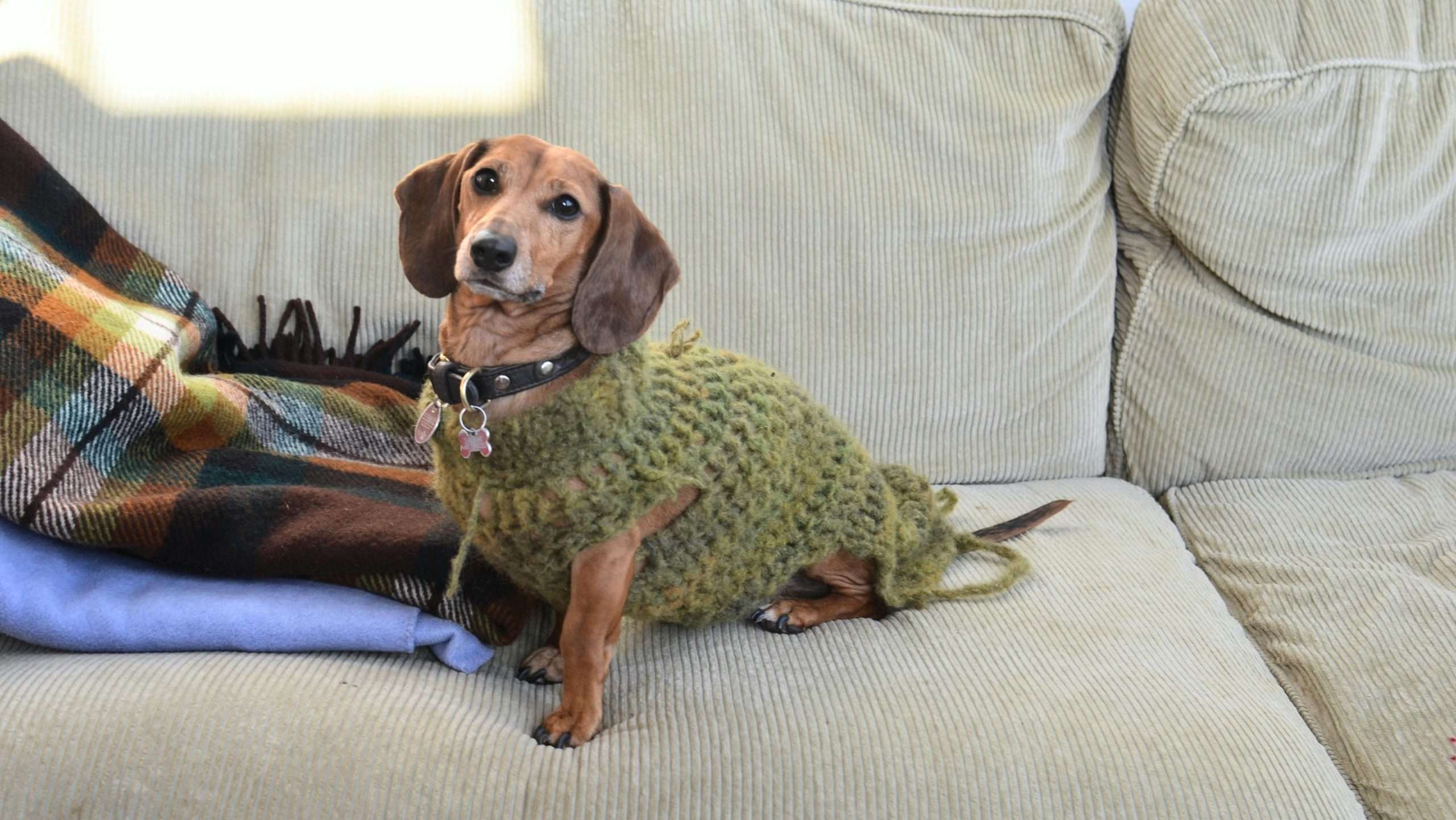
Don’t let their small size fool you. Dachshund puppies possess a personality that far exceeds their physical dimensions. They’re known for their big-dog bark and an almost comical level of confidence. These little hunters are incredibly curious, always ready to explore their surroundings with an inquisitive nose pressed firmly to the ground.
Their temperament is a delightful mix of independence and affection. While dachshund puppies can be stubborn, they’re also incredibly loyal and love nothing more than cuddling with their human companions. They make surprisingly excellent watchdogs, always alert and ready to announce any potential intruders with their surprisingly loud bark.
Care and Maintenance
Caring for dachshund puppies requires understanding their unique physical characteristics. Their elongated spine makes them prone to back issues, so careful handling is crucial. Avoid letting them jump on and off furniture, and always support their back when picking them up.
Grooming needs vary depending on their coat type. Smooth-coated dachshunds require minimal maintenance – a quick towel wipe usually suffices. Long-haired varieties need regular brushing, while wirehaired dachshund puppies might need occasional hand-stripping and trimming.
Exercise is important, but it must be carefully managed. These little dogs need regular activity to maintain muscle strength and protect their backs, but they aren’t built for marathon runs or extensive swimming. Two moderate walks daily and some playtime will keep a dachshund puppy happy and healthy.
Training Considerations
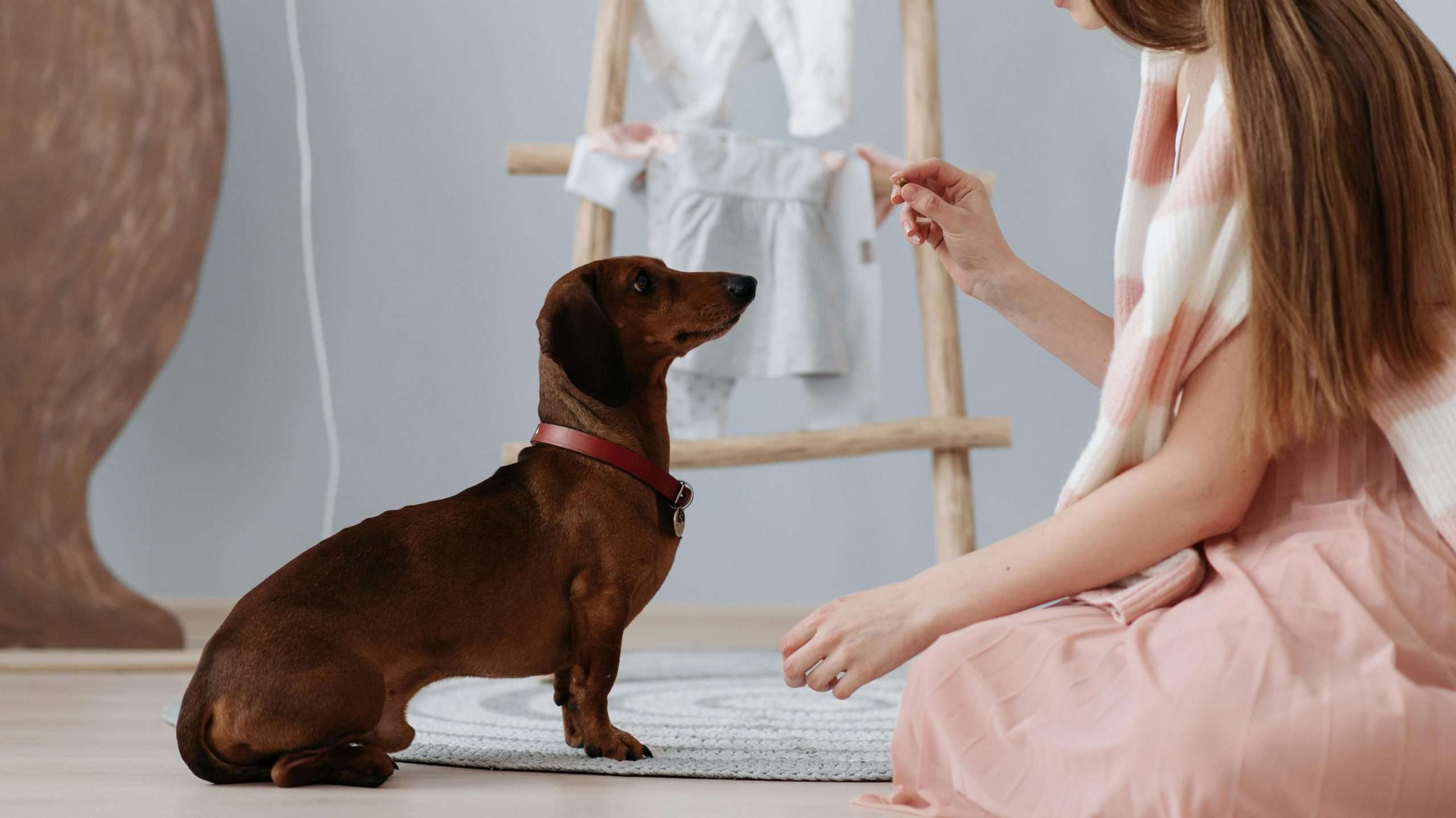
Training dachshund puppies can be both challenging and rewarding. Their independent nature means they might occasionally challenge your commands, but they respond beautifully to positive reinforcement. Their keen sense of smell can sometimes distract them, so patience is key during training sessions.
Socialization is critical during puppyhood. Exposing dachshund puppies to various people, animals, and environments helps them develop into well-rounded adult dogs. Puppy training classes can be an excellent way to achieve this while also providing mental stimulation.
Health and Lifespan
Generally healthy, dachshund puppies have an average lifespan of 12-16 years. However, they are predisposed to certain health conditions, particularly back-related issues due to their unique body structure. Maintaining a healthy weight and avoiding activities that strain their spine can help prevent potential problems.
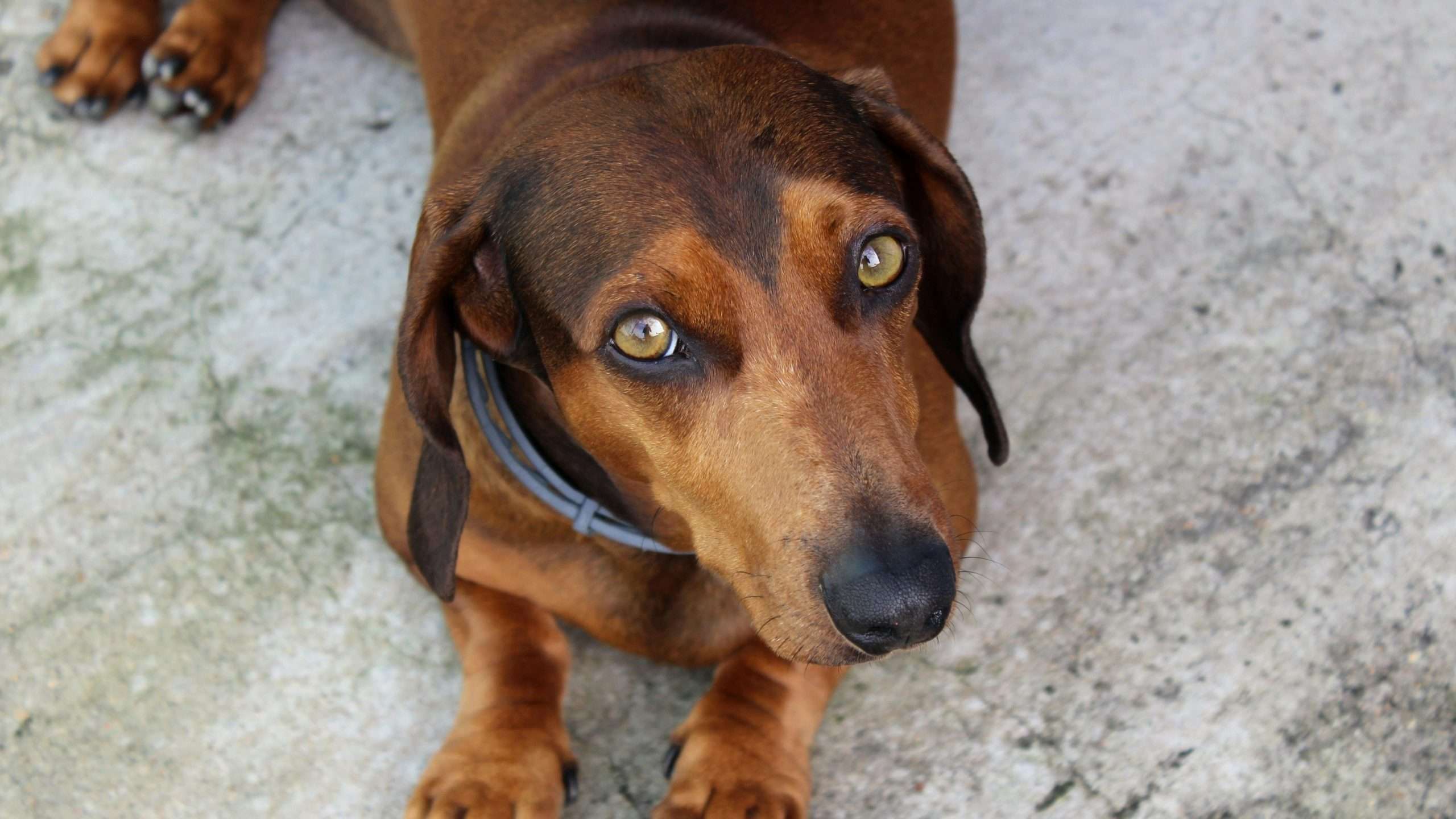
Finding Your Perfect Dachshund Puppy
When searching for dachshund puppies, you have two primary options: adoption or purchasing from a reputable breeder. Rescue organizations often have dogs of various ages, including puppies, and can be an excellent choice for those wanting to provide a loving home to a dog in need.
If choosing a breeder, thorough research is essential. Avoid puppy mills and seek out responsible breeders who prioritize the health and well-being of their dogs.
Final Thoughts
Bringing a dachshund puppy into your life is an adventure filled with love, laughter, and occasional stubborn moments. These remarkable dogs offer companionship, entertainment, and unconditional love. With proper care, training, and understanding, a dachshund can become not just a pet, but a cherished family member.
From their rich hunting history to their modern-day role as beloved companions, dachshund puppies continue to capture hearts with their unique charm and spirited personalities. Whether you’re drawn to their iconic long body, their fearless attitude, or their adorable face, these dogs have a way of making every day a little more interesting.
We hope this article on everything you need to know about Dachshund puppies was helpful, Check out our other blogs too.
Frequently Asked Questions About Dachshund Puppies
1. Are dachshund puppies good with children?
Dachshund puppies can be challenging with very young children due to their protective nature and sensitive backs. They’re best suited to households with older children who understand how to handle them gently. Supervision and teaching children to respect the dog’s space is crucial to ensure a harmonious relationship.
2. How much exercise do dachshund puppies need?
Despite their small size, dachshund puppies require regular exercise – typically two short to moderate walks daily. However, avoid high-impact activities that could strain their long backs. About 30-60 minutes of daily activity, including playtime and walks, is ideal for keeping a dachshund puppy healthy and mentally stimulated.
3. Do dachshund puppies shed a lot?
Dachshund puppies have moderate shedding depending on their coat type. Smooth-coated varieties shed less, while long-haired and wirehaired dachshund puppies might require more frequent grooming. Regular brushing helps manage shedding and keeps their coat healthy. Expect some year-round shedding with slightly increased shedding during seasonal changes.
4. Is a Dachshund Puppy Right for You?
Dachshund puppies thrive in various living situations, from apartments to large homes. They’re particularly well-suited to households without very young children, given their protective nature and potential back sensitivity. They make excellent companions for individuals or families who can provide consistent love, training, and moderate exercise.
![Are Golden Retrievers Smart? [2024]](https://100dogbreeds.com/wp-content/uploads/2024/09/Golden-retriever-featured-768x512.jpg)