Common Health Issues in Senior Dogs and Better Prevention Methods

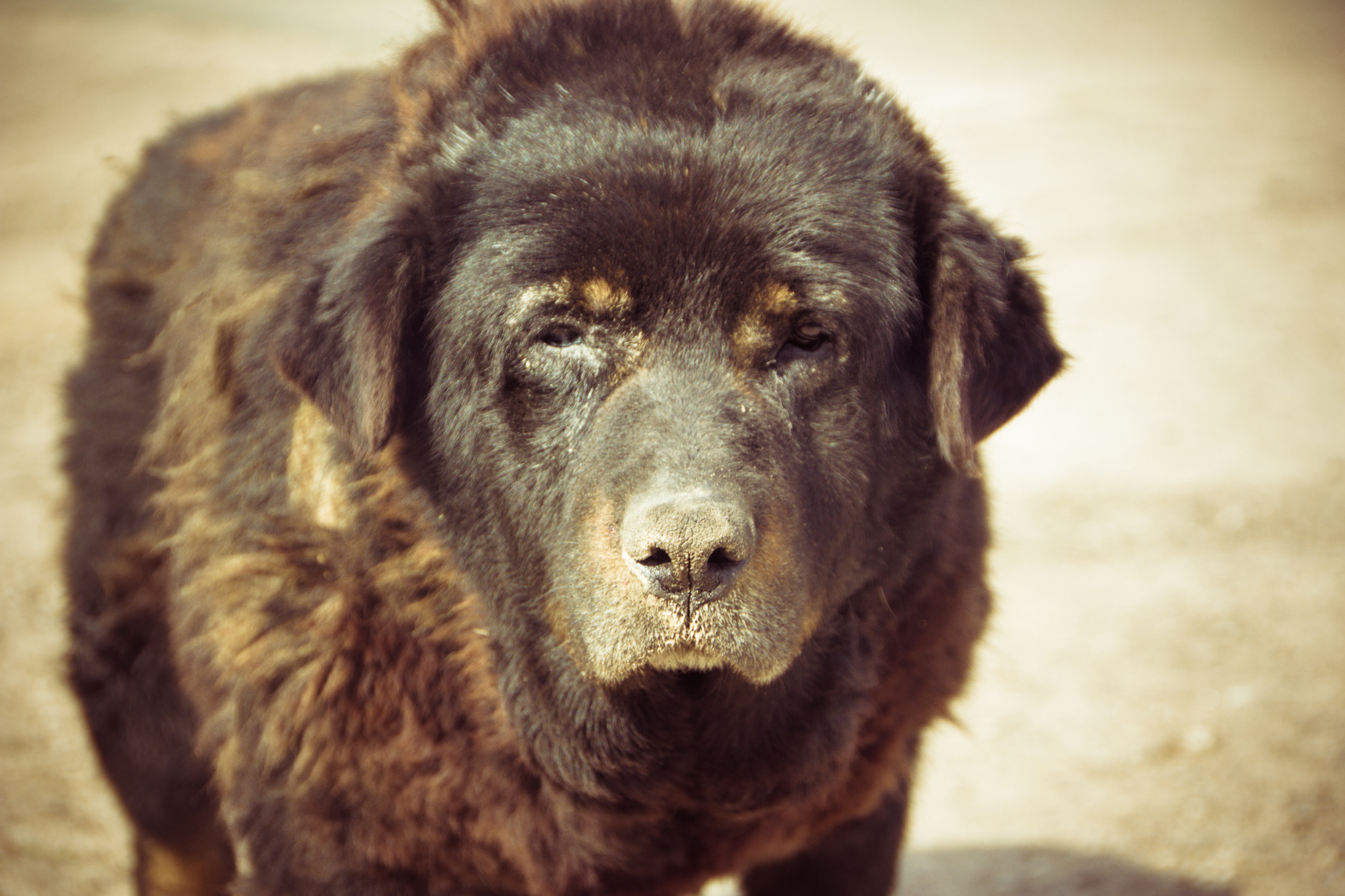
As our furry companions age, their needs change, and it becomes crucial for us as pet owners to adapt our care to ensure their health, comfort, and happiness. Just like humans, dogs experience the natural process of aging, and with this comes a unique set of challenges and considerations. In this article, we will explore the concept of elderly dogs and delve into the essential aspects of caring for our senior dogs.
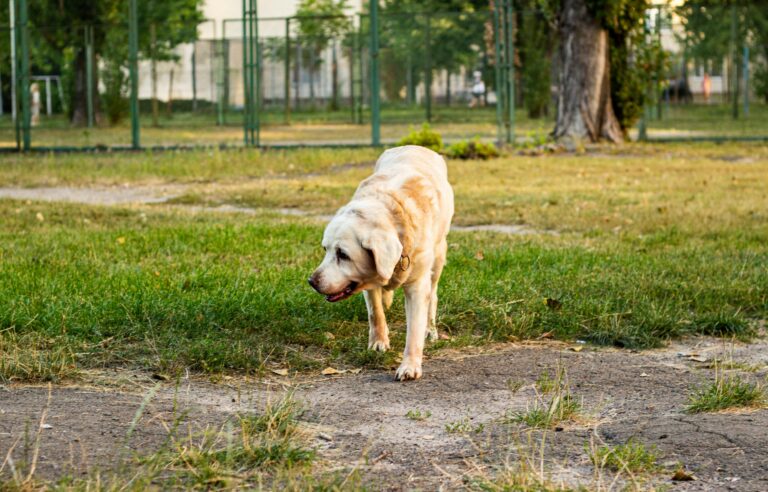
When it comes to caring for elderly dogs, understanding the concept of aging in canines is essential. Elderly dogs, typically considered seniors around 7-8 years old, undergo various physical and behavioral changes. They experience reduced energy levels, and joint and mobility issues like arthritis, and may encounter changes in sensory perception. Cognitive decline, increased health risks, altered eating patterns, and behavioral changes are also common in elder dogs

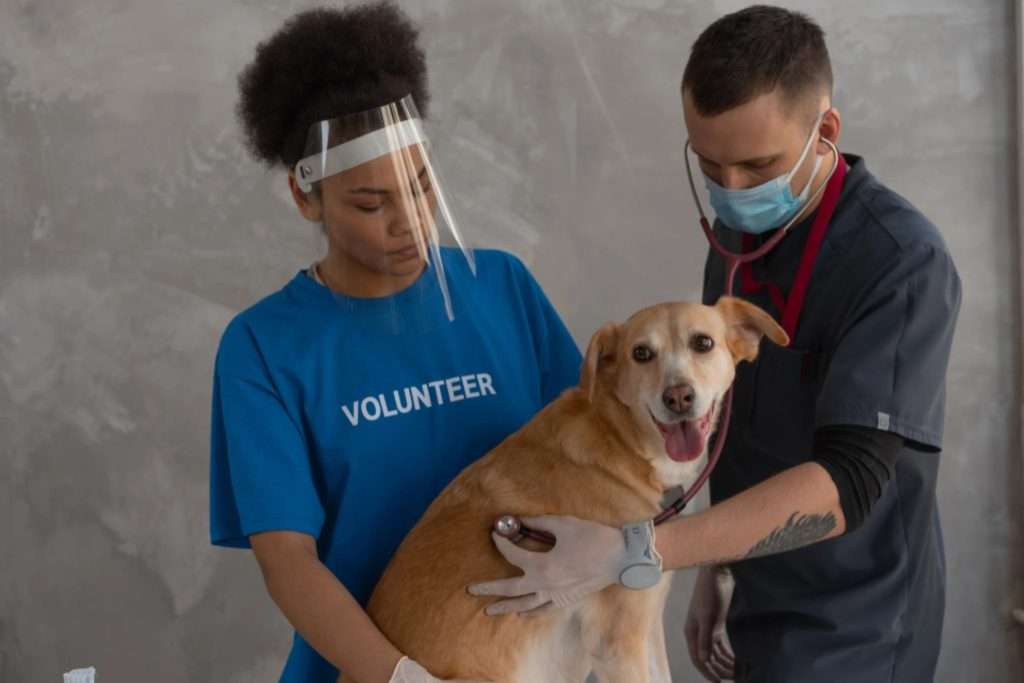
Providing proper care for elderly dogs involves regular veterinary check-ups, ensuring a balanced diet, tailoring exercise routines, providing mental stimulation, creating a comfortable environment, and offering attentive love and attention. By adapting their care to meet the changing needs of aging dogs, we can ensure their well-being and enhance their quality of life.
Some common health issues in aging dogs
Arthritis in older dogs
Arthritis is a common cause of Mobility issues in aging dogs. It is a degenerative joint disease that causes pain, stiffness, and reduced mobility.
To prevent arthritis or manage its symptoms:
- Maintain a healthy weight to reduce stress on the joints.
- Provide regular, low-impact exercise to keep joints mobile.
- Use orthopedic bedding to provide comfort and support.
- Consider joint supplements or medications, as recommended by your veterinarian.
Dental care for aging dogs
Dental problems such as gum disease, tooth loss, and oral infections are common in older dogs.
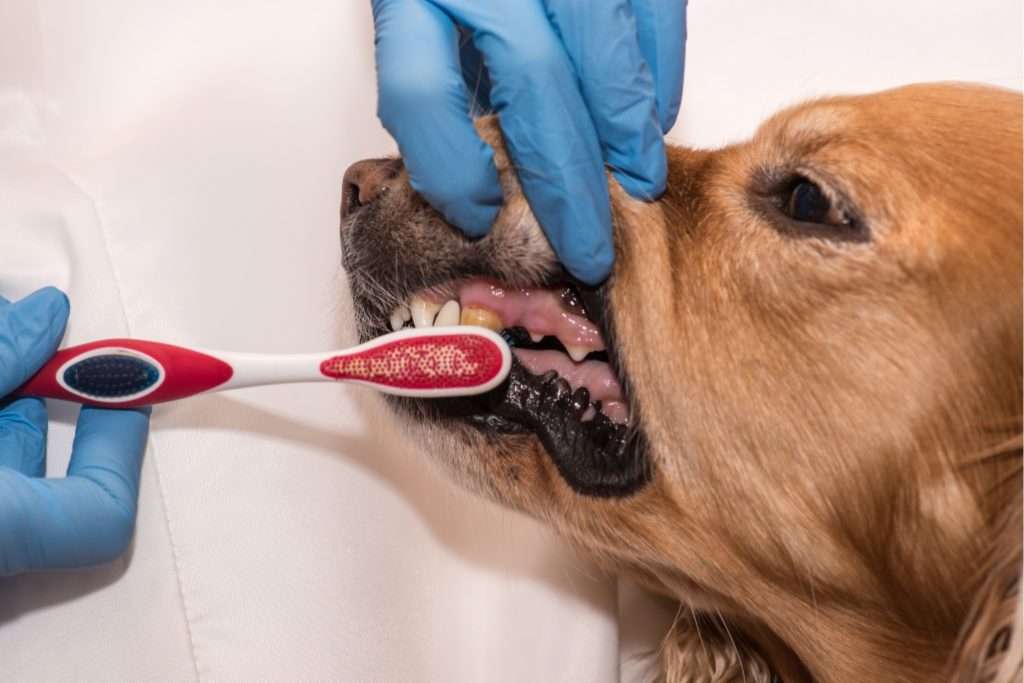
To prevent dental issues:
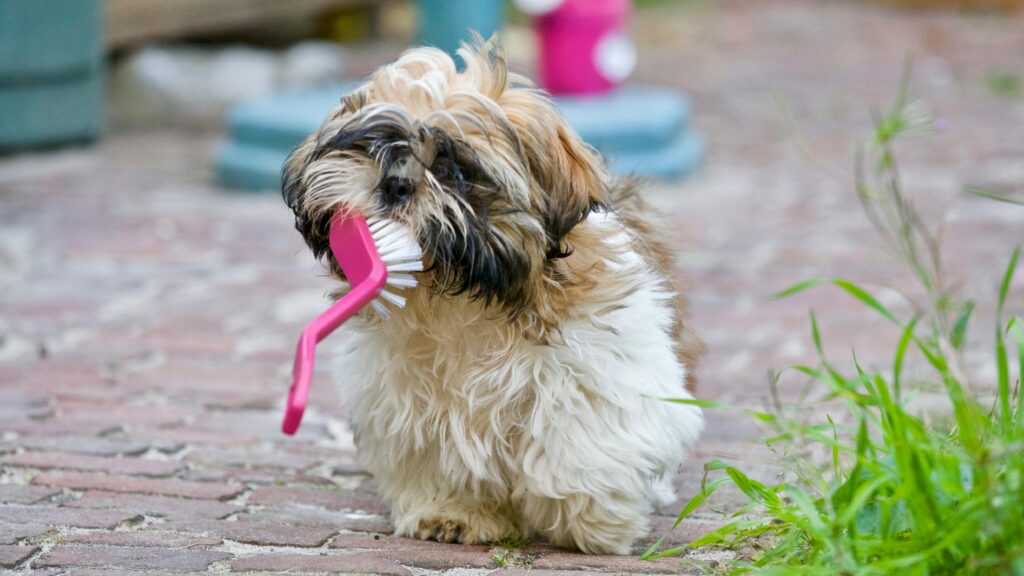
- Brush your dog’s teeth regularly with dog-friendly toothpaste.
- Provide dental chews or toys that promote teeth cleaning.
- Schedule regular dental check-ups and cleanings with your veterinarian.
Obesity in elderly dogs
Obesity in aging canines can lead to various health problems, including joint issues, diabetes, and heart disease.
check the BMI of your dog here

To prevent obesity:
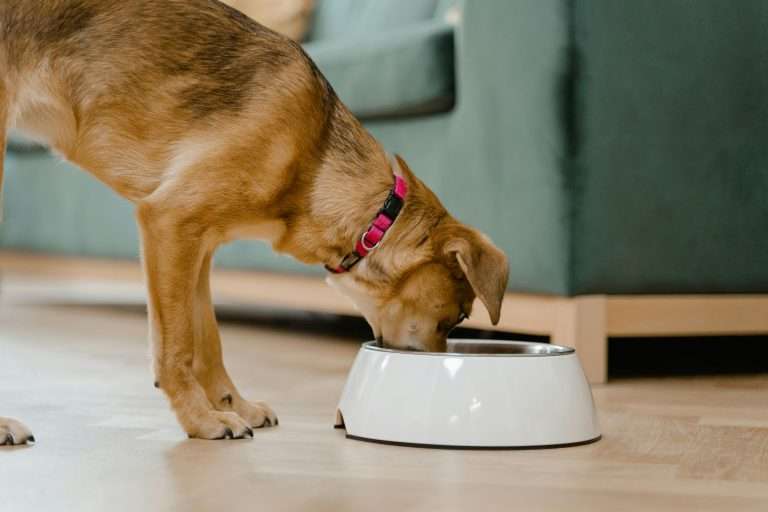
- Feed a balanced, senior-specific diet that meets the nutrition for aging dogs.
- Control portion sizes and avoid overfeeding.
- Provide regular exercise tailored to your dog’s abilities and limitations.
- Limit high-calorie treats and avoid feeding table scraps.
Cognitive Decline in Dogs
Elder dogs can experience cognitive decline, which may manifest as confusion, disorientation, and behavior changes.
To promote brain health and delay cognitive decline:
- Provide mental stimulation through interactive toys, puzzles, and training exercises.
- Maintain a consistent daily routine to reduce anxiety.
- Consider supplements with antioxidants and omega-3 fatty acids, as recommended by your veterinarian.
Heart Disease in older dogs
Older dogs are prone to various heart conditions, including congestive heart failure and valvular disease.
To prevent heart disease or manage its progression:
- Schedule regular veterinary check-ups, including heart screenings.
- Feed a heart-healthy diet, as advised by your veterinarian.
- Administer prescribed medications as directed.
- Maintain a suitable exercise routine that doesn’t strain the heart.
Cancer in aging dogs
Cancer is more common in older dogs, and early detection is crucial for successful treatment.
To detect and prevent cancer:
- Conduct regular at-home checks for lumps, bumps, or abnormal growths.
- Schedule routine veterinary check-ups, including thorough physical examinations.
- Consider preventive measures like vaccinations and spaying/neutering.
In addition to this, your canine friend requires emotional assistance. Because each aging dog is different, they may have different emotional needs. Pay attention to their cues, communicate with them through tender gestures, and customize your strategy to suit their unique tastes. By giving our senior dogs committed emotional care, we can improve their quality of life and make sure their golden years are full of affection, comfort, and emotional health.
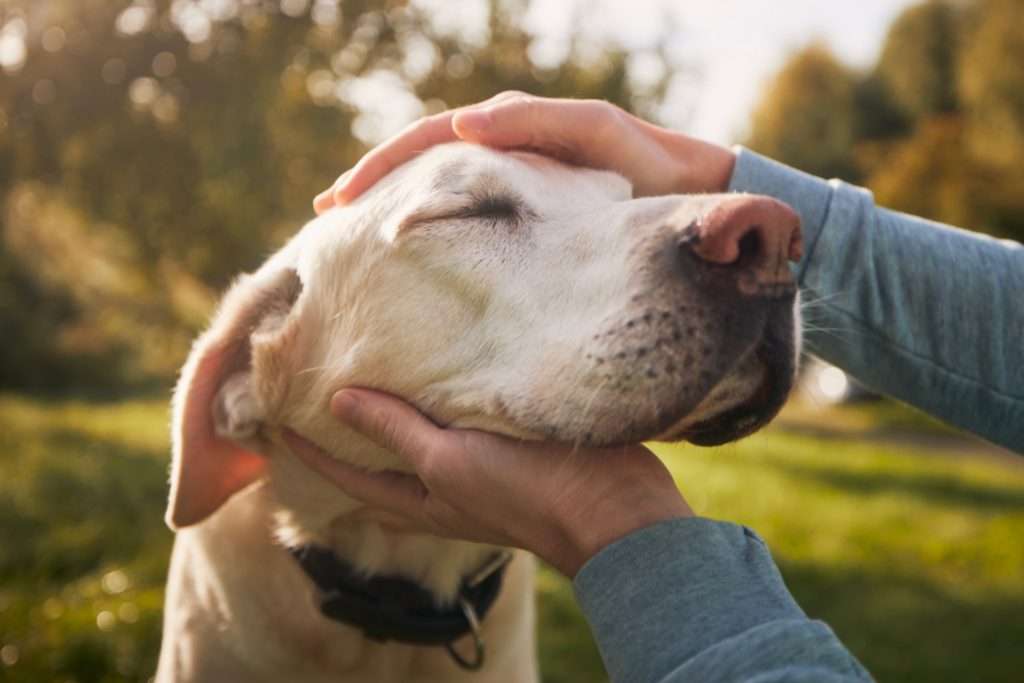
Here are a few tips for keeping your aging dogs’ emotional health in check:
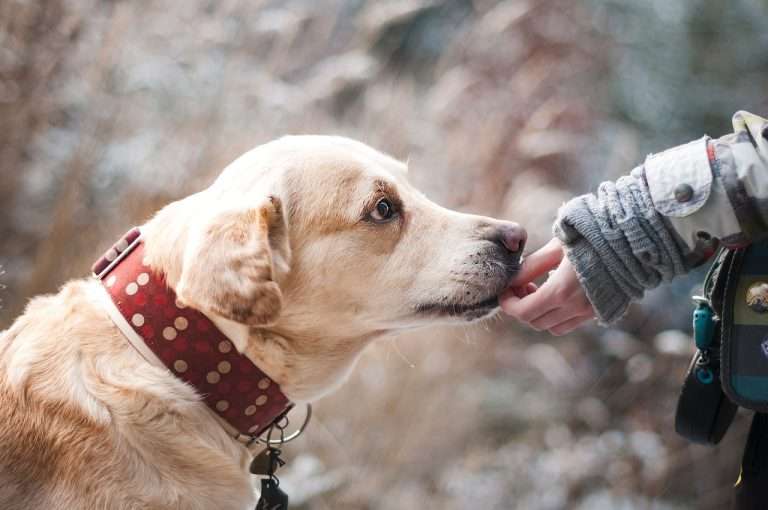
- Unconditional Love and Attention: Elderly dogs thrive on love and attention, and it becomes even more crucial to shower them with affection during their senior years. Take time each day to engage in gentle petting, cuddling, and verbal reassurances. Show them that they are cherished members of the family, and their presence is valued.
- Maintain Familiar Routines: As dogs age, they find comfort in familiarity. Stick to established routines as much as possible, including regular feeding times, exercise schedules, and consistent bedtime rituals. Predictability helps alleviate anxiety and provides a sense of security for our senior furry friends.
- Provide a Calming Environment: Create a peaceful and safe environment for your elderly dog. Designate a cozy corner or a comfortable bed where they can relax undisturbed. Minimize noise and commotion in their surroundings, as loud noises and disruptions can be stressful for older dogs.
- Adapt Exercise and Playtime: While elderly dogs may not have the same energy levels as before, they still benefit from gentle exercise and mental stimulation. Modify exercise routines to suit their abilities, opting for shorter, leisurely walks or interactive play sessions. Engage them in age-appropriate puzzle toys and games to keep their minds active and prevent boredom.
- Monitor Changes in Behavior: Pay close attention to any changes in your elderly dog’s behavior. Anxiety, restlessness, increased irritability, or withdrawal can indicate underlying emotional distress or even pain. Consult with a veterinarian if you notice significant shifts in behavior, as they can offer guidance and recommend appropriate interventions.
- Maintain Social Interactions :Even in their later years, social interactions play a vital role in an elderly dog’s emotional well-being. Arrange playdates with friendly and compatible dogs or schedule visits with trusted human friends and family members who understand and appreciate their needs.

- Be Mindful of Separation Anxiety: Aging dogs may develop separation anxiety as they become more attached to their human caregivers. Gradual desensitization techniques and the use of comforting toys or blankets can help alleviate separation anxiety and create a sense of security when you need to be away.
In conclusion, caring for elderly dogs involves understanding the concept of aging in canines and addressing both their physical and emotional needs. Regular veterinary check-ups, a balanced diet, tailored exercise routines, mental stimulation, and a comfortable environment are crucial for their well-being. Preventing common health issues such as arthritis, dental problems, obesity, cognitive decline, heart disease, and cancer requires proactive measures and early detection.
Additionally, providing emotional care, such as unconditional love, maintaining familiar routines, creating a calming environment, adapting exercise and playtime, monitoring behavior changes, promoting social interactions, and addressing separation anxiety, contributes to the overall happiness and quality of life of our senior canine companions. By incorporating these strategies into their care, we can ensure that our beloved elderly dogs enjoy their golden years to the fullest.