Common Dental Problems in Dogs: Signs, Causes, and Prevention Tips

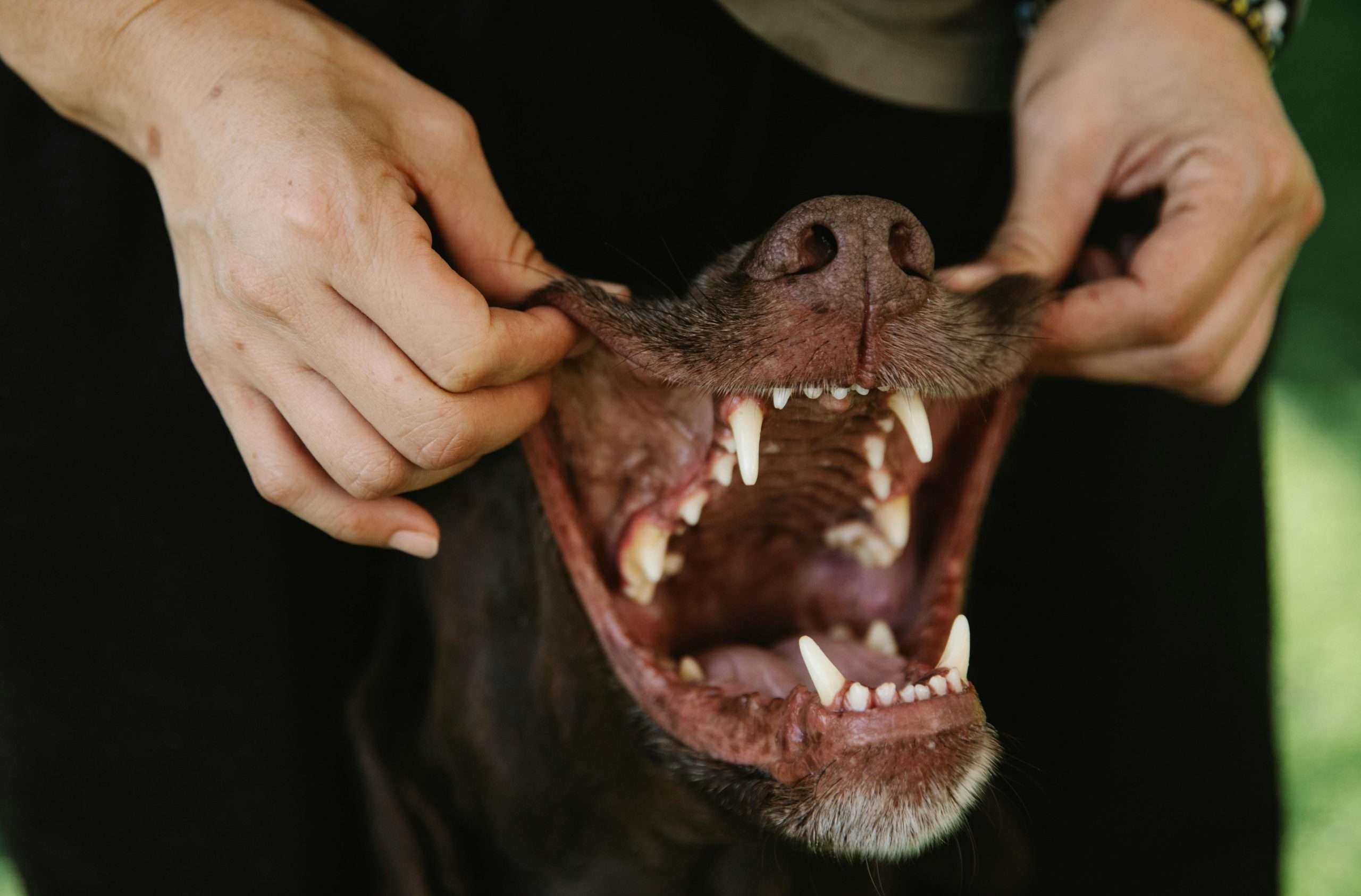
A healthy smile isn’t just for humans. Your furry friend’s dental health plays a big role in their overall well-being. Poor oral hygiene can lead to painful infections, tooth loss, and even affect vital organs. Understanding the dental problems in dogs can help you catch early signs and keep your pet’s mouth clean and healthy for years to come.
What We Mean by Dental Problems in Dogs

When we talk about dental problems in dogs, it covers a range of issues that affect the teeth, gums, and surrounding structures. These include plaque build-up, gum disease, oral infections, broken teeth, and other oral abnormalities. Many of these problems start quietly but worsen over time if left untreated.

According to veterinarians, most adult dogs show some degree of dental disease by the age of three. While that might sound alarming, the good news is that proper dental care and early detection can prevent serious complications.
Why Dogs Get Dental Issues
Several factors contribute to dental problems in dogs. Some breeds, especially small ones like Chihuahuas and Dachshunds, are more prone to plaque accumulation because of their crowded teeth. Age is another factor; as dogs get older, their teeth and gums naturally weaken.
Poor diet also plays a part. Dogs that don’t chew on appropriate food or toys miss out on the natural cleaning action that helps remove plaque. Additionally, lack of regular brushing and professional dental checkups allows bacteria to thrive in the mouth. Over time, these bacteria can cause gum inflammation and infections that spread beyond the mouth.
Main Types of Dental Problems in Dogs

1. Plaque and Tartar Build-Up
This is one of the earliest and most common dental problems in dogs. It starts when food particles and saliva combine to form plaque, a sticky film that clings to the teeth. If not removed through brushing, plaque hardens into tartar within a few days.
Tartar irritates the gums and provides a breeding ground for bacteria, leading to bad breath and gum disease. You might notice yellow or brown deposits on your dog’s teeth, particularly near the gum line. Regular brushing and professional cleaning are the best ways to control plaque and tartar.
2. Periodontal Disease (Gum Disease)
Gum disease is one of the most serious dental problems in dogs. It usually begins with gingivitis, where the gums become red, swollen, and may bleed. If untreated, it progresses to periodontitis, where bacteria attack the tissues and bone that support the teeth.
Dogs with advanced periodontal disease may lose teeth, experience pain while eating, or develop infections that spread to the bloodstream. Bad breath, drooling, and gum recession are telltale signs. This condition requires veterinary attention to prevent further damage.
3. Oral Infections and Abscesses
Infections occur when bacteria invade deeper tissues in the mouth, often due to untreated gum disease, broken teeth, or injuries. An abscess—a pocket of pus around the tooth root—can cause intense pain and swelling.
One of the clear signs of this type of dental problem in dogs is when your pet avoids chewing on one side of the mouth or shows reluctance to eat. These infections can become severe if ignored, potentially spreading to the jaw or other organs.
Related reads:
Dark Gums in Dogs: What Pet Owners Should Know
4. Tooth Fractures and Trauma
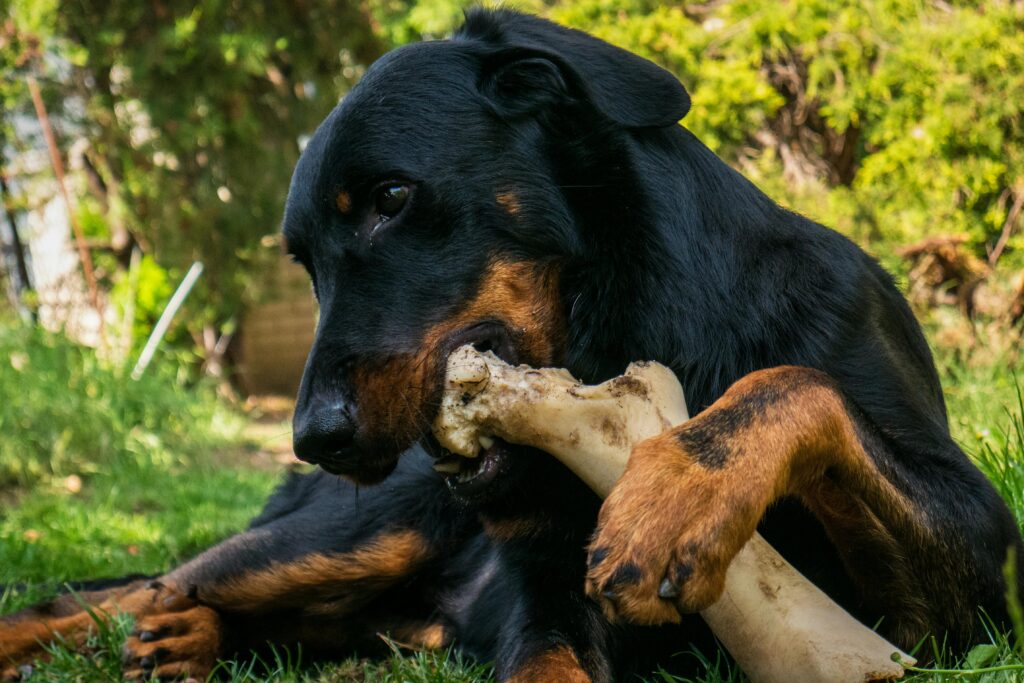
Dogs love to chew, but hard bones, stones, or toys can fracture teeth. Broken teeth expose the sensitive pulp inside, leading to pain, infection, and decay. Larger breeds and aggressive chewers are more prone to this.
If you suspect a tooth fracture, avoid giving hard treats and see a vet immediately. Treatment may include root canal therapy or extraction depending on the extent of damage.
5. Other Less-Common Issues
Apart from common dental problems in dogs, there are several lesser-known ones too. Some dogs retain baby teeth even after adult teeth grow in, which can cause crowding and misalignment. Others may have malocclusion (misaligned bite) or developmental abnormalities that make eating difficult.
While these issues may not cause pain initially, they can affect your dog’s ability to chew properly and increase the risk of tartar build-up.
Signs and Symptoms to Watch For
Early detection is key when it comes to dental problems in dogs. Here are some signs that should never be ignored:
- Persistent bad breath
- Yellow or brown deposits on teeth
- Red, swollen, or bleeding gums
- Drooling more than usual
- Pawing at the mouth or rubbing the face
- Reluctance to eat hard food or chew toys
- Sudden changes in mood or loss of interest in food
These symptoms often point to underlying oral pain or infection. A vet checkup can confirm the cause and recommend suitable treatment.
Why Early Detection Matters for Dental Problems in Dogs
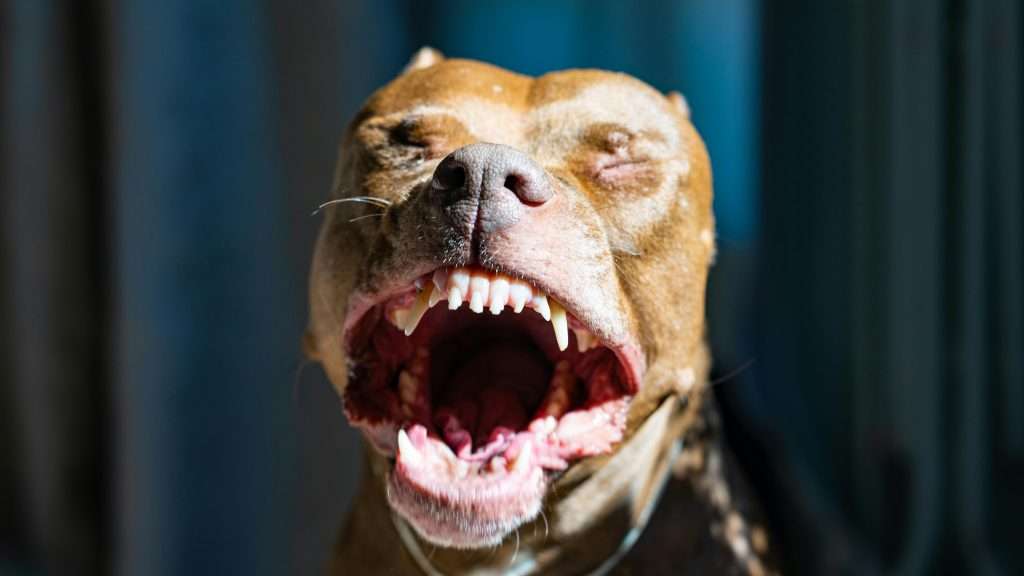
Dental diseases can have serious consequences if ignored. The bacteria from infected gums can enter the bloodstream and affect the heart, liver, and kidneys. This makes early detection and treatment essential not only for oral health but also for your dog’s overall well-being.
When dental problems in dogs are caught early, treatment is simpler and less expensive. Regular cleanings, checkups, and at-home brushing can make a world of difference.
Preventing Dental Problems in Dogs
Preventing oral disease is easier than treating it. Here’s how to keep your dog’s mouth healthy:
Regular Brushing: Brushing your dog’s teeth daily is one of the most effective ways to prevent dental problems in dogs. Use a dog-safe toothbrush and toothpaste.
Dental Chews and Toys: Choose dental chews that help scrape off plaque and keep gums stimulated. Avoid hard bones or antlers that could break teeth.
Professional Cleaning: Schedule professional dental cleanings once a year, or more often if your vet recommends it.
Balanced Diet: Feed a diet designed to promote dental health. Some dry kibbles are specially shaped to help reduce plaque buildup.
Routine Checks: Get your dog’s mouth examined regularly. Vets can detect early signs of gum inflammation, loose teeth, or hidden infections.
Starting these habits early in your dog’s life makes them more comfortable with brushing and handling around the mouth.
What to Do if Your Dog Has Dental Problems in Dogs
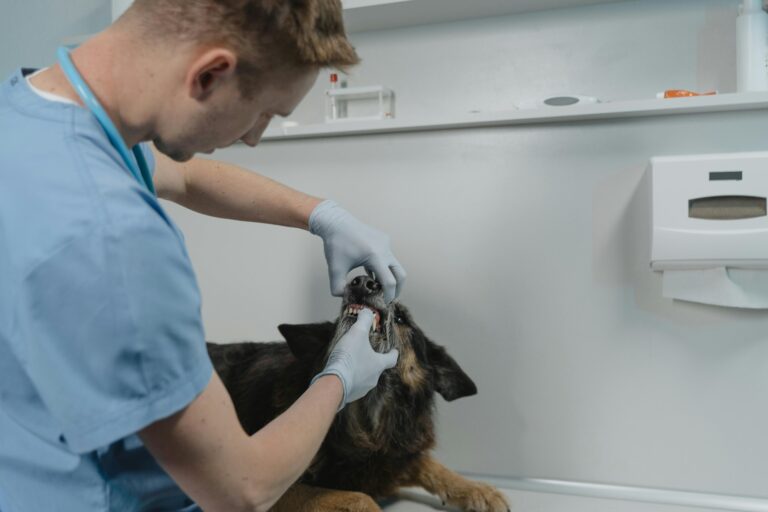
If you notice any symptoms of oral discomfort, don’t delay a vet visit. The veterinarian will perform a thorough examination, possibly including dental X-rays, to identify the root cause.
Treatment for dental problems in dogs may include professional cleaning under anesthesia, tooth extractions, or antibiotics for infections. After treatment, your vet might suggest at-home care routines to maintain oral hygiene.
Avoid trying to scrape tartar off at home – it can cause pain or injury. Always follow professional advice to ensure your dog’s recovery and comfort.
Final Thoughts
Caring for your dog’s teeth is just as important as feeding them or taking them for walks. Regular dental care not only keeps bad breath at bay but also prevents serious health complications. Recognizing the early signs of dental problems in dogs and taking preventive action ensures your pet stays happy, pain-free, and full of life.
A little effort every day – brushing, vet checkups, and a balanced diet – can make all the difference. Remember, a clean mouth means a healthier, happier dog.