Can Dogs Eat Salt? Symptoms & Prevention [2025]

Salt is an essential mineral in both human and animal diets, playing a crucial role in maintaining hydration, nerve function, and overall health. But when it comes to dogs, pet owners often wonder, Can dogs eat salt? While some salt is necessary for their well-being, excessive intake can lead to serious health issues, including salt poisoning. Understanding how much salt is safe and what to do if your dog consumes too much can help you keep your furry companion healthy and happy.
Can Dogs Eat Salt in Small Amounts?
Yes, dogs require a small amount of salt in their diet. Sodium helps regulate bodily fluids, supports nerve function, and is necessary for muscle contractions. Commercial dog foods contain the appropriate amount of sodium to meet their dietary needs, so additional salt is usually unnecessary. However, problems arise when dogs ingest too much salt from processed foods, salty snacks, or even non-food sources like rock salt or salt dough used in crafts.

What Happens If Dogs Consume Too Much Salt?
When a dog ingests excessive amounts of salt, their body reacts by drawing water away from cells to balance sodium levels in the bloodstream. This leads to dehydration, high blood pressure, and in severe cases, organ failure. Can dogs eat salt without any risk? Only in controlled amounts found in their regular diet. Overconsumption can result in salt toxicity, also known as hypernatremia, a condition that can be life-threatening if not addressed quickly.
Symptoms of Salt Poisoning in Dogs
Salt poisoning presents with various symptoms, ranging from mild to severe. Early recognition is key to preventing serious complications.
- Excessive thirst and urination
- Vomiting and diarrhea
- Loss of appetite
- Sluggishness and lethargy
- Muscle tremors and lack of coordination
- Seizures and, in severe cases, coma
Can Dogs Eat Salty Human Foods?

Many human foods are high in sodium and should not be given to dogs. Salty snacks like chips, pretzels, salted nuts, and processed meats contain far more sodium than a dog’s body can handle. Regular consumption of these foods increases the risk of high blood pressure, kidney disease, and heart issues.
Occasionally, a dog may consume a small amount of salty food by accident. In such cases, it is unlikely to cause immediate harm, but keeping an eye on their water intake and behavior is crucial. Can dogs eat salt when found in foods like homemade meals? If you prepare homemade dog food, ensure that the salt content is minimal and within safe limits.
Can Dogs Drink Salt Water?
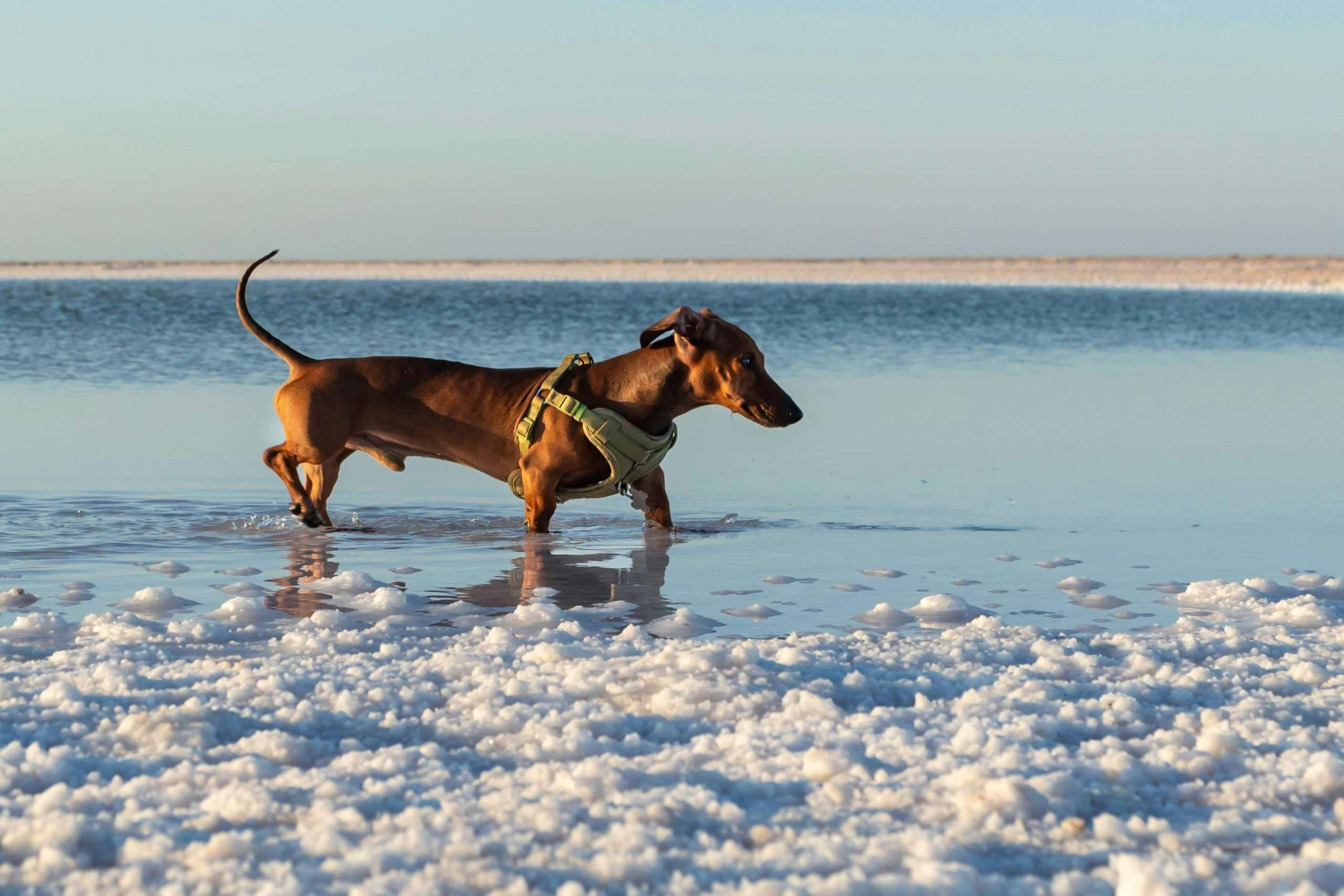
If you take your dog to the beach, they might be tempted to drink seawater. However, ingesting salt water is extremely dangerous. Seawater contains high levels of sodium, and when a dog drinks too much of it, they may experience salt toxicity. The effects of drinking salt water can include vomiting, diarrhea, dehydration, and electrolyte imbalances. In severe cases, excessive salt intake from seawater can lead to seizures, kidney damage, or even death.
If your dog drinks salt water at the beach, provide them with fresh water immediately and monitor their condition. If they show any signs of distress, seek veterinary care without delay.
Common Household Items That Can Cause Salt Poisoning
Besides salty foods and seawater, various household items contain high levels of sodium, posing a risk to dogs:
- Rock salt (used as a de-icer in winter)
- Homemade play dough and salt dough ornaments
- Paintballs
- Table salt and seasonings like garlic salt
- At-home enemas containing sodium phosphate
If a dog ingests any of these items, immediate veterinary attention is crucial.
Related reads:
Can Dogs Eat Bones? All You Need to Know
What to Do If Your Dog Consumes Too Much Salt
If you suspect your dog has consumed too much salt, act quickly. Offer them fresh water to help dilute the sodium levels, but do not force excessive amounts as this can worsen their condition. Contact your veterinarian and describe the situation, including the amount and type of salt ingested.
Veterinarians may recommend treatments such as IV fluid therapy to restore the body’s electrolyte balance, medications to control symptoms, and close monitoring to ensure no complications arise. Avoid attempting home remedies without professional guidance, as improper treatment can lead to further health risks.

How Do Veterinarians Treat Salt Poisoning?
Veterinarians diagnose salt poisoning through blood tests, urinalysis, and a review of the dog’s symptoms. If confirmed, treatment usually involves intravenous fluids to gradually lower sodium levels, medications to control seizures or tremors, and supportive care to restore normal hydration. Dogs with mild cases may recover within a day or two, while severe cases require intensive care and a longer recovery period.
Preventing Salt Toxicity in Dogs
The best way to keep your dog safe from salt toxicity is to monitor their diet and environment. Ensure they have access to fresh water at all times, avoid feeding them salty human foods, and store household items with high sodium content out of reach.
If you live in a region where rock salt is used on sidewalks during winter, wipe your dog’s paws after walks to prevent them from licking off any residue. Being proactive about their salt intake can prevent health issues and keep them comfortable and safe.
Final Thoughts
So, Can Dogs Eat Salt? The answer is yes, but only in small amounts. While salt plays a vital role in their diet, excessive consumption can be harmful and even fatal. Understanding the dangers of high salt intake, recognizing the symptoms of salt poisoning, and knowing how to respond in case of an emergency can help protect your dog’s health. Always be mindful of what your pet consumes, keep high-sodium foods and products out of reach, and consult a veterinarian for guidance on proper nutrition. By taking these precautions, you can ensure your dog enjoys a balanced and healthy diet without the risks of excessive salt intake.
FAQs: Can Dogs Eat Salt?
Can Dogs Eat Salt in Their Food?
Yes, but only in moderation. Most commercial dog foods contain adequate sodium levels, so additional salt is unnecessary.
How Much Salt Is Toxic to Dogs?
Toxicity depends on a dog’s size and weight, but as little as 4 grams per kilogram of body weight can cause poisoning.
What Should I Do If My Dog Eats Salty Snacks?
Monitor for signs of dehydration or illness. If they consumed a large amount, consult your veterinarian.
Can I Give My Dog Salt to Induce Vomiting?
No, inducing vomiting with salt is dangerous and can worsen their condition. Always seek veterinary advice.
Are Some Dog Breeds More Sensitive to Salt?
Yes, breeds prone to heart or kidney disease are more sensitive to high salt intake and require lower sodium diets.


![Why Do Dogs Sleep So Much? [2024]](https://100dogbreeds.com/wp-content/uploads/2024/10/dog-sleep-featured-2-1-768x432.jpg)