Can Dogs Eat Bones? All You Need to Know

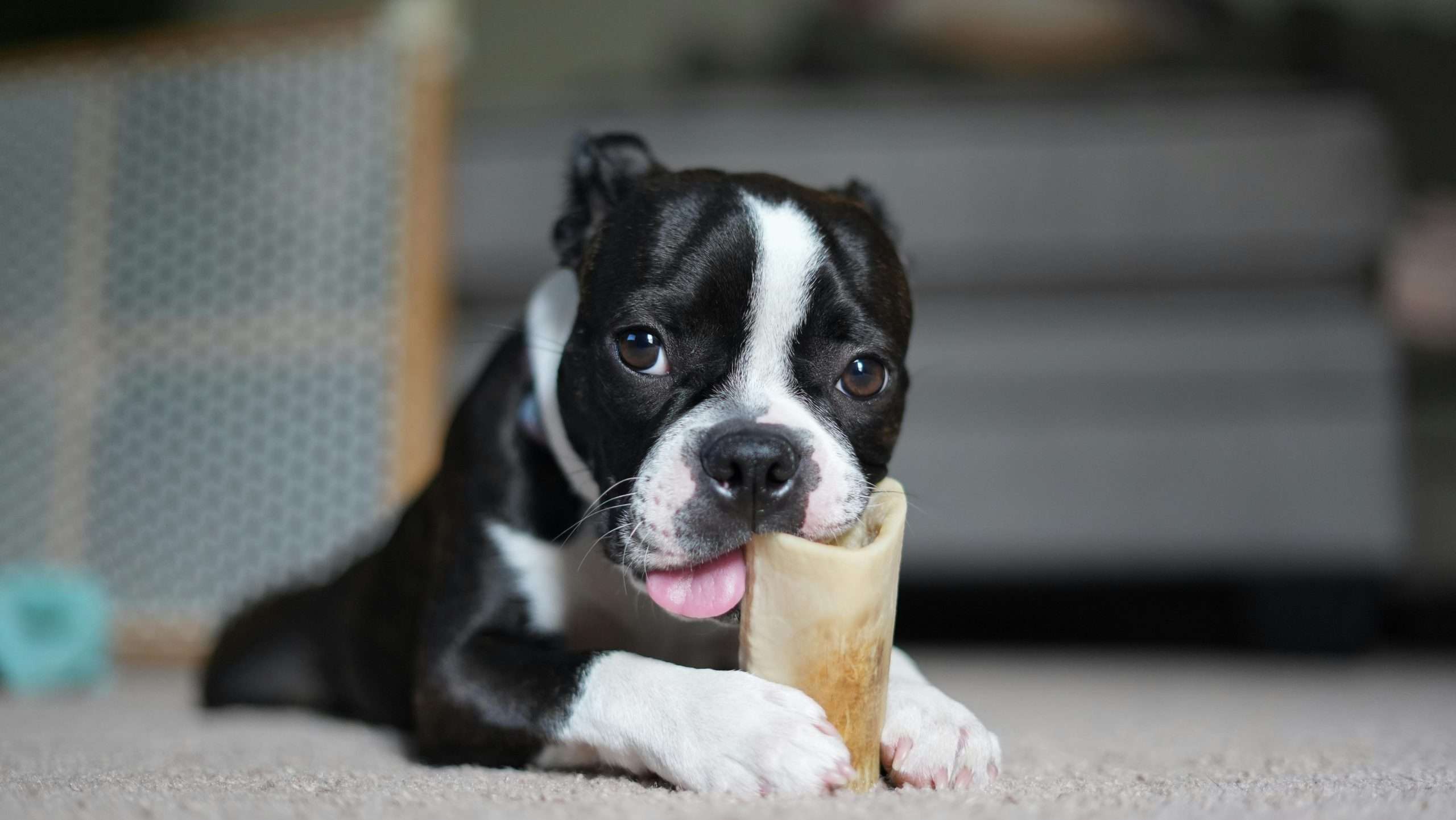
As pet parents, we always want the best for our furry companions. From their meals to their playtime, ensuring their safety and happiness is a top priority. One common question many dog owners ponder is whether it’s safe for their dogs to eat bones. This topic often sparks debate, as bones can be both beneficial and potentially hazardous for dogs, depending on how they are handled. Let’s explore the facts around “Can dogs eat bones?” to help you make informed decisions for your canine friend.
Can Dogs Eat Bones? An Overview
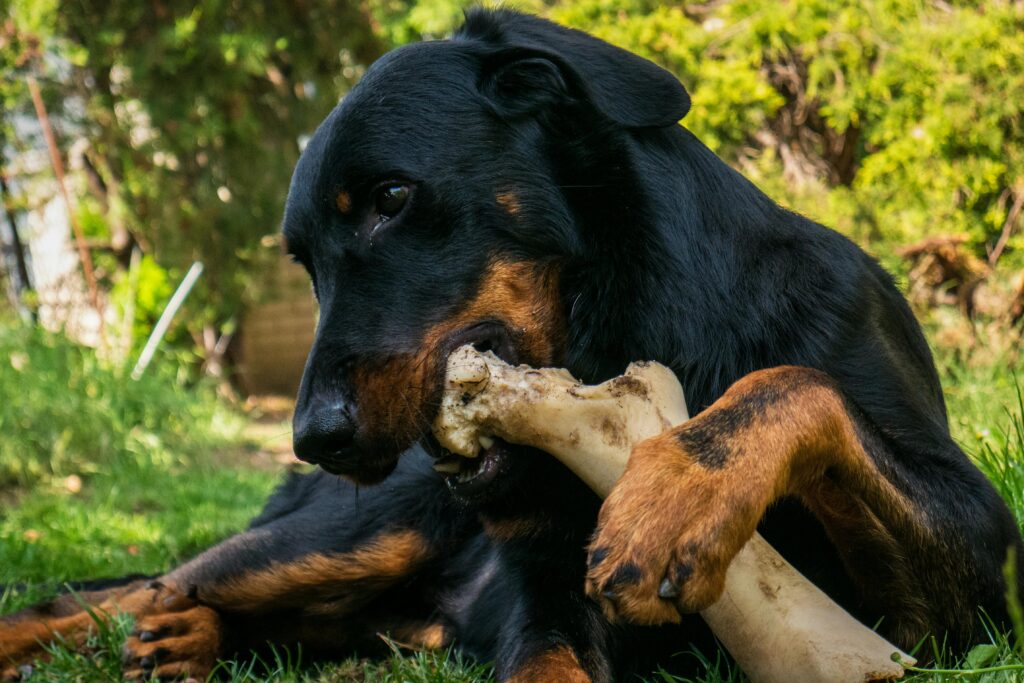
Dogs have been gnawing on bones for centuries, particularly in the wild. As natural carnivores, consuming bones was once part of their diet. Bones provide certain benefits, such as nutrients, dental health improvements, and mental stimulation. However, not all bones are created equal, and some pose significant risks.

The answer to the question “Can dogs eat bones?” isn’t a simple yes or no. While raw bones can be relatively safe under controlled circumstances, cooked bones are often dangerous. Let’s dive deeper into the types of bones and their potential effects on dogs.
Are Cooked Bones Safe for Dogs?
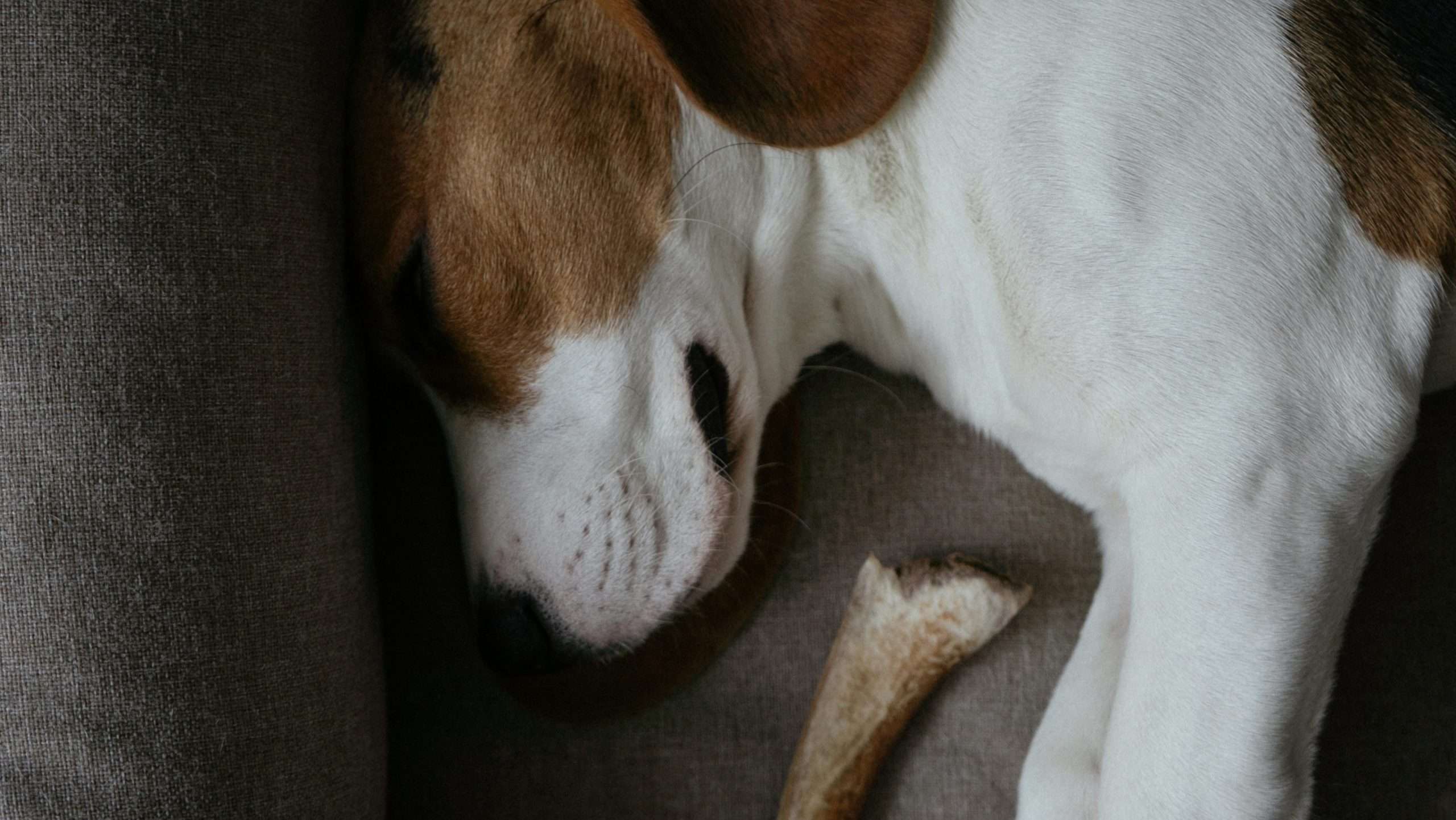
Cooked bones are one of the most common sources of concern for dog owners. When bones are cooked, they become brittle and prone to splintering. This makes them highly hazardous for dogs, as sharp fragments can cause severe injuries to their digestive tract.
Dr. Meaghan Thomas, a veterinarian, explains that cooked bones, particularly chicken and fish bones, are notorious for splintering. These splinters can puncture the stomach or intestines, causing internal bleeding and other complications. If your dog accidentally eats a cooked bone, you should monitor them closely for symptoms such as:
- Drooling
- Vomiting
- Diarrhea
- Abdominal pain
- Reluctance to eat
If you notice any of these signs, contact your veterinarian immediately. In some cases, surgical intervention might be necessary to remove bone fragments.
To prevent accidents, keep cooked bones out of your dog’s reach. This includes securing trash bins and supervising your pet during family meals or gatherings where bones may be present.
Are Raw Bones Safe for Dogs?
Raw bones are often considered safer than cooked ones, as they are less likely to splinter. However, this doesn’t mean that all raw bones are risk-free. When given responsibly, raw bones can provide several benefits for dogs, including:
- Dental Health: Chewing on raw bones helps reduce plaque and tartar buildup, promoting healthier teeth and gums.
- Nutritional Value: Raw bones are rich in minerals such as calcium and phosphorus, which are essential for your dog’s bone health and overall growth.
- Mental Stimulation: Gnawing on a bone satisfies your dog’s natural chewing instincts, keeping them mentally engaged and reducing boredom.
Safe Raw Bones for Dogs
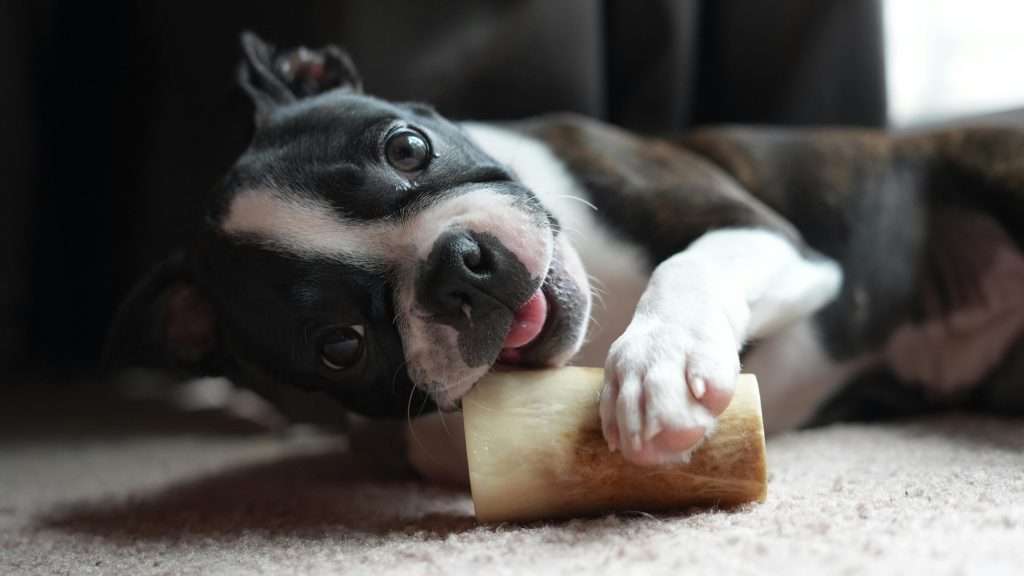
The best raw bones for dogs typically come from larger animals such as beef, lamb, and venison. These bones are denser and less likely to break into dangerous fragments. Some examples include:
- Beef knuckle bones
- Lamb shank bones
- Venison femur bones
Always choose bones that are appropriately sized for your dog. A bone that’s too small can become a choking hazard, while a bone that’s too large may be difficult for your dog to handle.
Unsafe Raw Bones
While raw bones can be beneficial, certain types should be avoided altogether. Bones from small animals, such as chickens and rabbits, are more fragile and prone to splintering. Additionally, rib bones and other thin, flat bones can easily break into sharp pieces, posing a risk to your dog’s digestive system.
Benefits of Chewing Bones for Dogs
Allowing your dog to chew on bones can provide various advantages beyond nutrition. Here are some of the key benefits:
- Dental Health: Chewing bones helps scrape off plaque, reducing the risk of gum disease and tooth decay.
- Anxiety Relief: Chewing has a calming effect on dogs, helping to alleviate stress and anxiety.
- Improved Digestion: Bones stimulate saliva production, which aids in breaking down food and promoting better digestion.
- Behavioral Redirection: For dogs prone to chewing on household items, bones can serve as a healthy and safe alternative to satisfy their chewing instincts.
While these benefits are significant, it’s crucial to supervise your dog during bone-chewing sessions to avoid potential hazards.
How To Safely Buy, Store, and Dispose of Bones
When it comes to giving your dog bones, safety should always be the top priority. Here are some tips to ensure your dog’s well-being:
Buying Bones
- Purchase fresh, high-quality bones from reputable butchers or pet stores.
- Avoid processed bone treats, as these can contain harmful additives and are more prone to splintering.
- Select bones that are appropriate for your dog’s size and chewing habits.
Storing Bones
- Store raw bones in the refrigerator or freezer to prevent bacterial growth.
- Use clean hands and utensils when handling raw bones to avoid cross-contamination.
Disposing of Bones
- Remove bones from your dog after 10-15 minutes to prevent them from becoming too small or brittle.
- Discard bones that show signs of splintering or wear.
When Should Dogs Avoid Bones?
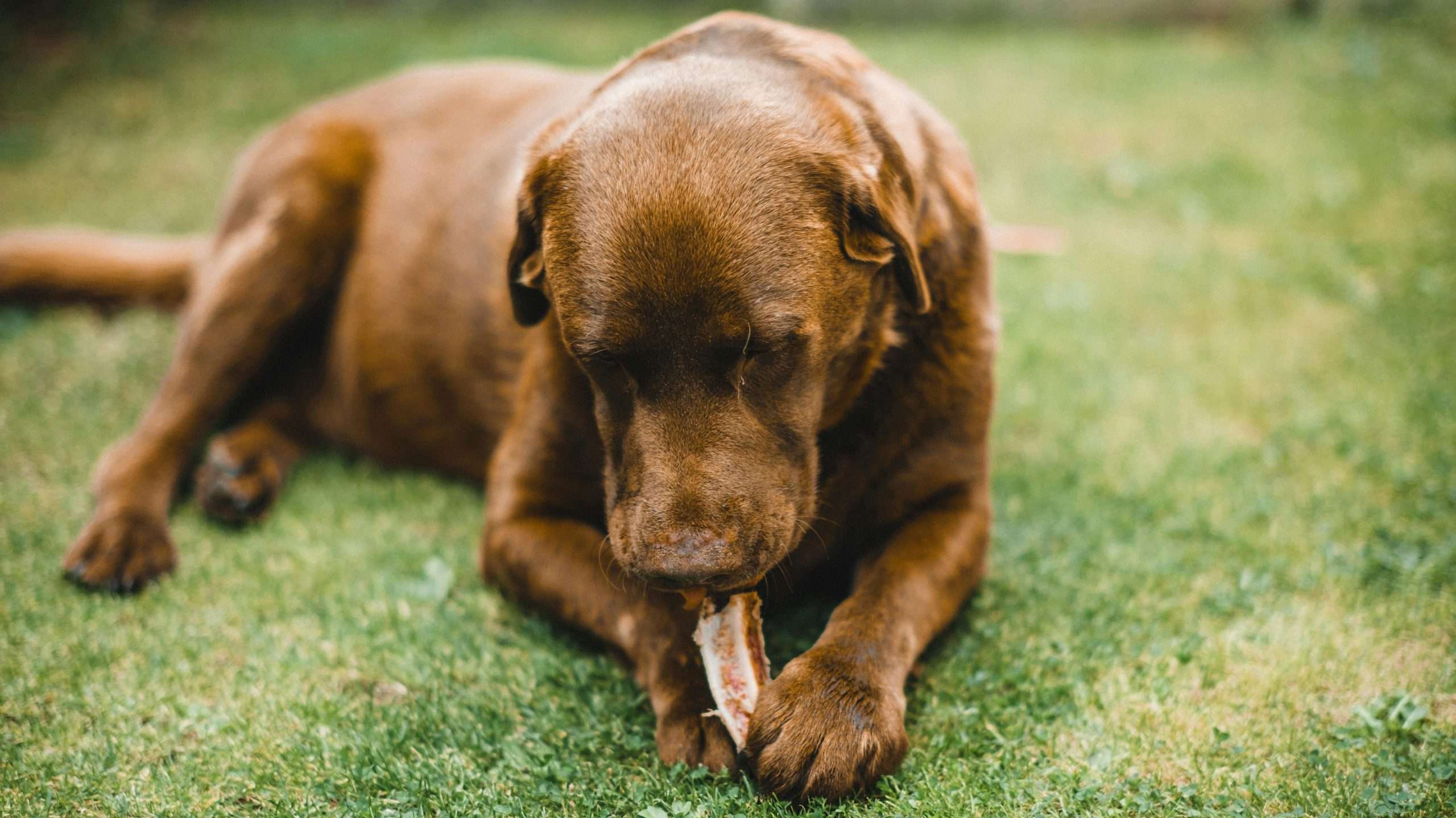
Not all dogs are suited for chewing bones. Here are some scenarios where bones should be avoided:
- Health Conditions: Dogs with dental problems, digestive disorders, or a history of gastrointestinal obstructions should not chew bones.
- Behavioral Concerns: If your dog displays protective or aggressive behavior over bones, it’s best to avoid giving them altogether.
- Multiple Pets: In households with multiple dogs, bones can sometimes trigger competition or fights. Always monitor interactions and provide separate spaces for chewing.
Alternatives to Bones: Bone Treats and Dog Chews
If you’re hesitant about giving your dog raw or cooked bones, there are plenty of safe alternatives available. Some popular options include:
- Dental Chews: Designed to promote oral health and reduce plaque buildup.
- Bully Sticks: Made from natural beef, these chews are durable and highly digestible.
- Rawhide Chews: While not suitable for all dogs, rawhide can be a good option when monitored closely.
- Beef Tendons: A natural and nutritious chew that’s safe for most dogs.
Consult your veterinarian for recommendations on the best chew options for your dog’s size, breed, and health condition.
Final Thoughts
So, can dogs eat bones? The answer depends on the type of bone, how it’s prepared, and your dog’s individual needs. While raw bones can provide valuable nutrients and mental stimulation, cooked bones and certain raw bones pose significant risks. Always prioritize safety by supervising your dog, selecting appropriate bones, and consulting your veterinarian for personalized advice.
Remember, while dogs eat bones naturally in the wild, domesticated pets require more oversight to ensure their health and safety. With the right precautions, you can provide your canine companion with a safe and enjoyable chewing experience.
We hope this blog on can dogs eat bones was helpful. Please check out our other blogs as well!
Common FAQs About Can Dogs Eat Bones
Can Puppies Eat Bones?
Puppies have more delicate teeth and digestive systems, so bones are generally not recommended. Instead, opt for soft chew toys or vet-approved dental chews.
What Should I Do If My Dog Swallows a Bone Fragment?
Contact your veterinarian immediately if you suspect your dog has swallowed a bone fragment. Watch for signs of distress, such as vomiting, drooling, or abdominal pain.
How Can I Tell If a Bone Is Safe for My Dog?
Choose bones that are raw, appropriately sized, and sourced from reputable suppliers. Avoid any bones that are cooked, processed, or too small for your dog’s breed.