Build a Dog First-Aid Kit: Essentials Every Owner Needs

Every dog parent hopes their furry friend stays safe and healthy. Yet, life with dogs can be unpredictable. From minor scrapes during walks to sudden allergic reactions, emergencies can happen anytime. That’s why every responsible owner should have a dog first-aid kit ready at home or in the car. Having one doesn’t just give peace of mind – it can help you act fast before you reach the vet.
Why You Need a Dog First-Aid Kit
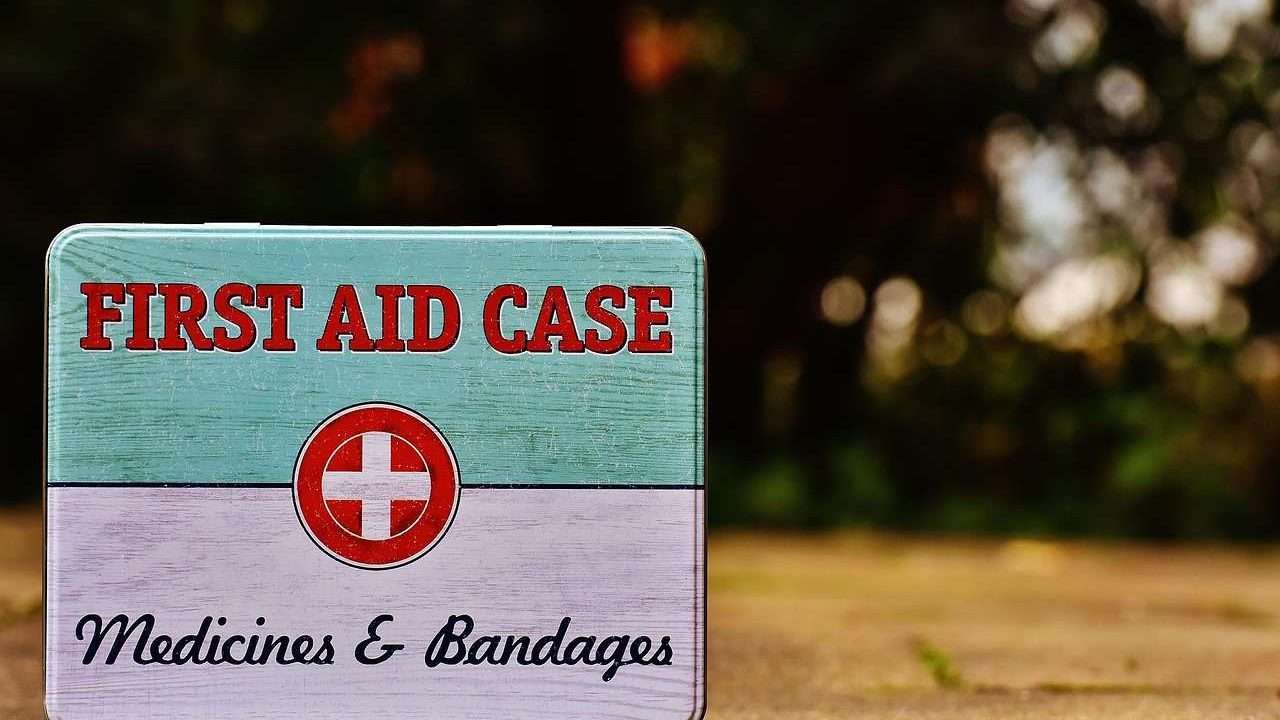
Accidents happen, even with the most careful pet owners. Your dog might step on something sharp, get stung by an insect, or experience heat exhaustion during summer. In those moments, having a dog first-aid kit can make all the difference.

Quick access to basic medical supplies can help you treat wounds, stop bleeding, or prevent infections while you contact a vet. It’s important to remember that a dog first-aid kit is not a replacement for professional veterinary care – it’s a temporary aid that helps you manage the situation until your dog gets the medical attention it needs.
Whether you’re at home, camping, or traveling, your dog first-aid kit should always be within reach. Think of it as an emergency box that keeps your dog safe during unexpected moments.
What to Include in Your Dog First-Aid Kit
Creating a complete dog first-aid kit ensures you’re ready for a variety of situations. You can build your own or buy a ready-made one and customize it based on your dog’s specific needs. Here’s a simple breakdown of what to include:
Basic Wound-Care Supplies
A good dog first-aid kit starts with items for cleaning and covering wounds. Keep gauze pads, adhesive tape, and cotton balls handy. These help to clean and dress cuts or scrapes before infection sets in. Elastic bandages are also useful for wrapping injuries, but make sure they’re not too tight.
Cleaning and Disinfecting Supplies
Minor injuries need proper cleaning. Include antiseptic wipes or solutions such as chlorhexidine or povidone-iodine in your dog first-aid kit. Saline solution is useful for washing out debris from eyes or wounds. Don’t forget disposable gloves to protect both you and your dog from bacteria during treatment.
Tools and Monitoring Equipment
Every dog first-aid kit should include practical tools like blunt-tipped scissors to cut bandages, tweezers for removing splinters or ticks, and a digital thermometer to check for fever. Add a syringe or eyedropper to give oral fluids or flush wounds if needed.
Restraint, Transport, and Safety Items
Injured dogs can be scared or in pain, so they may act differently. Your dog first-aid kit should have a soft muzzle to prevent biting when you’re trying to help. A towel or blanket can help you lift or restrain your pet gently. Also include a spare leash or harness for better control during emergencies.
Special Items Based on Your Dog’s Needs
Some dogs may need extra items in their dog first-aid kit. If your dog spends time outdoors, pack a tick remover and a small bottle of hydrogen peroxide (only to induce vomiting under vet advice). Styptic powder helps stop minor bleeding from nails. You can also include antihistamines or prescribed medication, but always confirm the dosage with your vet first.
Documentation and Contact Information
Every dog first-aid kit should have a list of emergency contacts. Write down your vet’s phone number, the nearest 24-hour animal hospital, and poison control hotlines. Add your dog’s vaccination records, allergy details, and a recent photo for identification if you travel or hike frequently.
How to Assemble and Maintain Your Dog First-Aid Kit
Building your dog first-aid kit is only the first step. Keeping it updated and ready for use is just as important.
Start with a sturdy container – something waterproof, lightweight, and easy to carry. Many owners prefer clear boxes or soft-sided pouches so they can see items easily. Organize everything by category – bandages in one section, medications in another – to save time during emergencies.
Regularly check expiry dates on ointments and medicines. Replace anything used, expired, or damaged. If you travel often or go hiking, pack a smaller version of your dog first-aid kit that fits easily into your bag.
You can also include a simple instruction card explaining how to use each item safely. If you haven’t taken a pet first-aid course, it’s worth learning some basics online or through your vet. Being familiar with the contents of your dog first-aid kit helps you stay calm when every second counts.
Related reads:
Low Blood Oxygen in Dogs: Symptoms, Causes, and Treatment
When and How to Use Your Dog First-Aid Kit
Knowing when to use your dog first-aid kit is as important as having it. Here are a few situations where quick action matters:
- Minor cuts or abrasions: Clean the area gently with saline and apply antiseptic. Cover with gauze if needed to prevent licking.
- Insect stings or tick bites: Remove ticks carefully with tweezers. Apply cold compresses for stings and watch for swelling or allergic reactions.
- Heatstroke: Move your dog to a cool area, offer small amounts of water, and place damp towels on its body. Avoid ice-cold water.
- Burns or pad injuries: If your dog walks on hot pavement or touches something hot, rinse the area with cool water and avoid applying creams without vet approval.
- Vomiting or ingestion of toxins: Only use items in your dog first-aid kit (like hydrogen peroxide) if your vet specifically advises it. Some substances can worsen the problem.
In all cases, your goal is to provide immediate relief and prevent further harm until professional help is available. If your dog seems lethargic, continues bleeding, or shows signs of pain, don’t rely on the dog first-aid kit alone – contact your vet right away.
Tips to Make the Most of Your Dog First-Aid Kit
- Keep one dog first-aid kit at home and another in your car or travel bag.
- Label each compartment clearly to avoid confusion during stress.
- Store the kit in a cool, dry place away from sunlight.
- Review and restock your supplies every three to six months.
- Make sure everyone in your household knows where the kit is kept and how to use it.
These small habits can make a big difference during unexpected moments.
Final Thoughts
Being prepared is part of being a caring pet parent. A dog first-aid kit helps you act quickly in moments that matter most. It’s a simple yet powerful step toward keeping your dog safe at home and on adventures.
Start building your own dog first-aid kit today, check it regularly, and learn how to use each item. Emergencies might be unpredictable, but your readiness doesn’t have to be. Having a dog first-aid kit within reach means you’re always one step ahead in protecting your loyal companion.