Vitamin E for Dogs: Benefits for Paws, Noses, & Skin

When a dog has dry paws, a cracked nose, or itchy skin, the first thought is often weather or allergies. But nutrition quietly plays a major role in how well a dog’s skin and outer tissues hold up. One nutrient that consistently shows up in canine health conversations is Vitamin E for Dogs. It is often mentioned in relation to skin health, immune strength, and healing support, yet many pet parents are unsure how it actually works or how to use it safely.
This article breaks down everything you need to know about Vitamin E for Dogs, with a clear focus on paws, noses, and skin. From how it functions in the body to when topical use makes sense, this guide keeps things practical, clear, and grounded in real canine needs.

What Is Vitamin E for Dogs
Vitamin E refers to a fat soluble vitamin that plays a protective role inside the body. In simple terms, it helps guard cells against damage caused by oxidative stress. Dogs cannot produce Vitamin E on their own, which means it must come from their diet or supplements when needed.
In canine nutrition, Vitamin E supports cell membranes, immune response, and skin barrier strength. It also works closely with other nutrients like selenium and healthy fats. Without enough of it, dogs may develop visible skin issues long before internal symptoms appear.
How Vitamin E for Dogs Works in the Body
At a cellular level, Vitamin E for Dogs acts as an antioxidant. This means it helps neutralize free radicals that can damage cells over time. These free radicals are produced naturally through metabolism, aging, and exposure to environmental stressors.
For dogs, this protective function is especially important for skin, paws, and noses because these areas are constantly exposed. Healthy cell membranes allow skin to retain moisture, repair itself faster, and resist irritation. When Vitamin E levels are adequate, the skin barrier remains stronger and more resilient.
Key Benefits of Vitamin E for Dogs
The benefits of Vitamin E for Dogs extend beyond general wellness. Its most noticeable effects are often seen on the outside.
Skin Health and Moisture Balance
Dry or flaky skin is one of the most common signs linked to low Vitamin E levels. Vitamin E for Dogs helps maintain moisture by supporting the skin’s natural lipid barrier. This makes the skin less prone to cracking, irritation, and sensitivity.
Dogs with seasonal dryness or mild allergic skin reactions often benefit when Vitamin E intake is balanced properly. While it is not a cure for chronic skin disease, it plays a strong supporting role.
Coat Strength and Appearance
A dull coat can sometimes signal nutritional gaps. Vitamin E for Dogs contributes to healthier hair follicles, which can improve coat texture and shine over time. When skin health improves, the coat usually follows.
Pet parents often notice that dogs receiving enough Vitamin E shed less excessively and develop a smoother, healthier looking coat.
Immune System Support
The immune system relies on antioxidants to function efficiently. Vitamin E for Dogs supports immune cells and helps regulate inflammatory responses. This is particularly helpful for older dogs or dogs recovering from illness, where immune resilience matters more.
Related reads:
Effective Tips to Soothe Dry Skin in Dogs
Vitamin E for Dogs’ Paws and Paw Pad Care
Paw pads go through a lot. Hot pavement, cold floors, rough terrain, and frequent washing can all strip away natural oils. Vitamin E for Dogs can help support paw health both internally and topically.
When included in the diet, Vitamin E supports skin regeneration and elasticity, which helps prevent excessive dryness. When used topically in paw balms or oils, it can soothe rough pads and support healing of minor cracks.
Many paw care products include Vitamin E because it helps calm irritation while supporting skin repair. The key is moderation and making sure the product is dog safe.
Vitamin E for Dogs’ Noses and Dry Nose Relief
A dry or cracked nose is a common concern, especially in colder months or dry climates. While a dry nose alone does not always signal illness, persistent cracking can cause discomfort.
Vitamin E for Dogs can help support nose skin health by improving moisture retention. Some pet parents use small amounts of Vitamin E oil or balms designed for dogs to soften dry noses. This works best when dryness is caused by environmental factors rather than medical conditions.
Topical use should always be gentle and limited, as dogs naturally lick their noses. Products should be free from added fragrances or harmful additives.
Vitamin E for Dogs’ Skin Beyond Basic Dryness
Skin concerns in dogs are not always limited to dryness. Itching, redness, and sensitivity can also appear. Vitamin E for Dogs helps by supporting the skin’s defense system and reducing oxidative stress that can worsen irritation.
For dogs with mild allergic reactions or seasonal sensitivities, Vitamin E can be part of a broader skin support approach. It does not replace veterinary treatment, but it can complement other care strategies.
Some dogs benefit more from dietary sources, while others see improvement with a combination of diet and topical care.
Dietary Sources of Vitamin E for Dogs

Many high quality commercial dog foods already include Vitamin E to meet basic nutritional needs. These foods are formulated to provide balanced amounts based on a dog’s size and life stage.
Natural food sources that contain Vitamin E include certain vegetable oils, leafy greens, and seeds. However, whole food additions should only be made under veterinary guidance to avoid imbalance.
When a dog eats a complete and balanced diet, supplementation is not always necessary.
Vitamin E Supplements for Dogs
Supplementation with Vitamin E for Dogs is usually recommended only when a deficiency is suspected or when a veterinarian identifies increased needs. This may apply to dogs with fat absorption issues, certain skin conditions, or restricted diets.
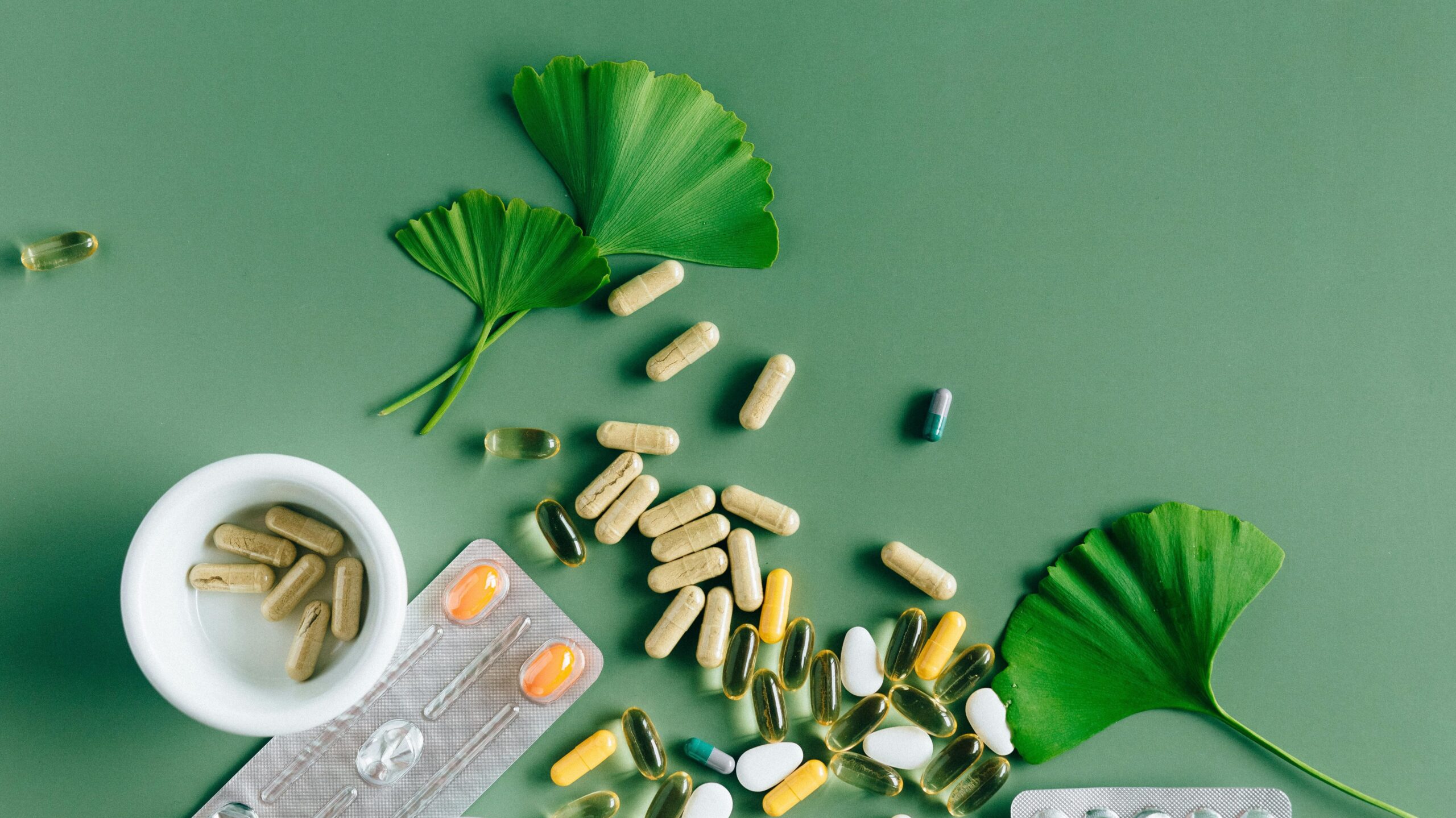
Supplements come in capsule, liquid, or chewable forms. Dosage varies based on weight, age, and health status. Giving more is not better, as excessive Vitamin E can interfere with other fat soluble vitamins.
Always consult a veterinarian before adding supplements.
Safe Use and Risks of Vitamin E for Dogs
While Vitamin E for Dogs is generally safe when used correctly, misuse can cause problems. Excessive oral supplementation may lead to digestive upset or interfere with blood clotting.
Topical use should also be controlled. Applying too much oil can cause licking, which may lead to stomach upset. Products designed specifically for dogs are always the safest choice.
Moderation and professional guidance are essential.
Final Thoughts
Vitamin E for Dogs plays an important role in maintaining healthy skin, soft paws, and resilient noses. From supporting moisture balance to protecting cells from damage, this nutrient quietly supports many visible aspects of a dog’s well being.
Whether through a balanced diet, carefully chosen supplements, or gentle topical care, Vitamin E can be a helpful part of a dog’s overall care plan. As with any nutritional element, the best results come from informed use, moderation, and professional advice.
When used thoughtfully, Vitamin E for Dogs supports comfort, appearance, and long term skin health in a way that truly shows on the outside.
Note: This article doesn’t substitute a healthcare professional’s recommendation / treatment. This blog is for educational purposes only.