All About the Different Types of Dog Toys – [2024]

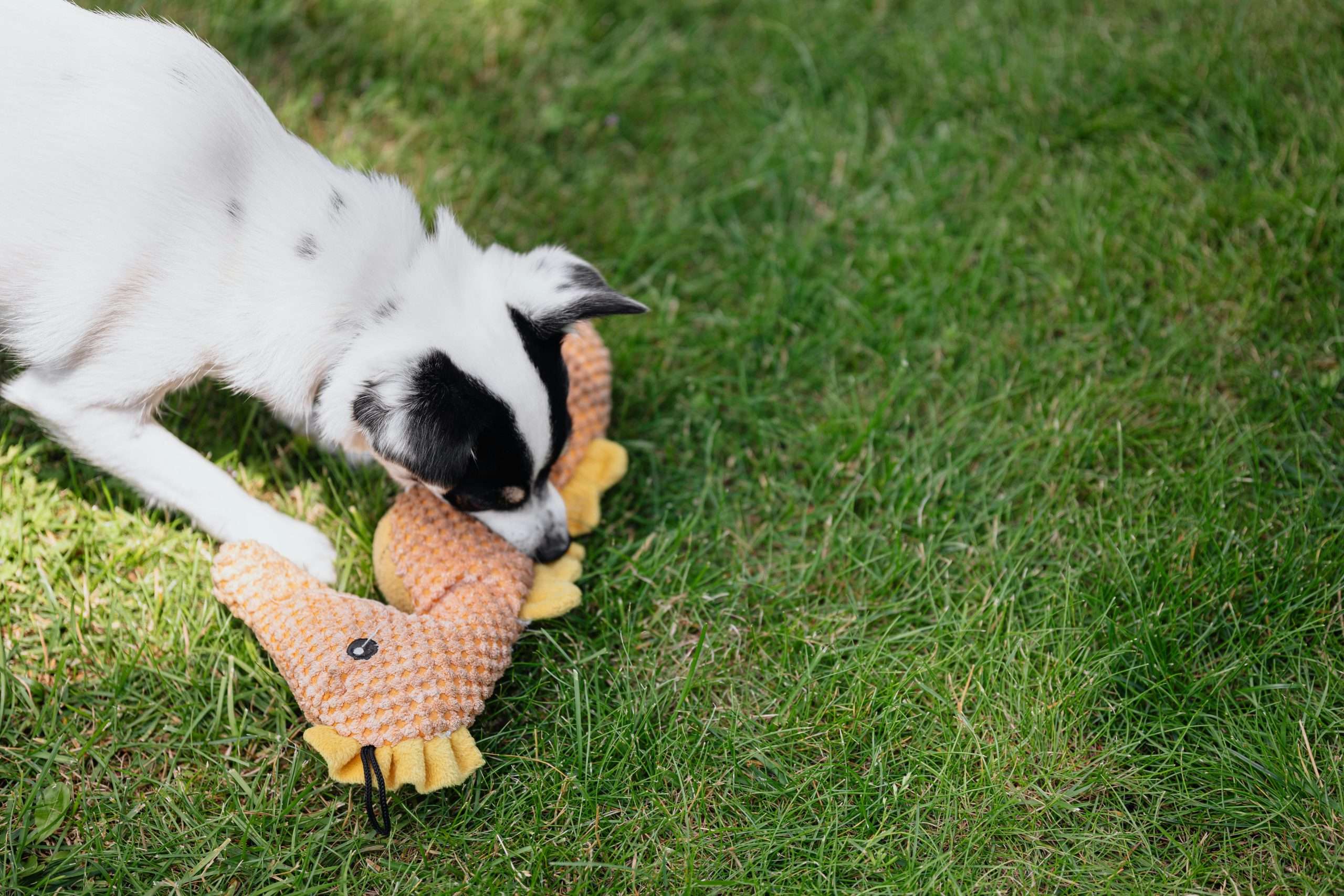
Tired of your dog turning your home into a chew toy? You’re not alone. The secret to a happy, well-behaved pup might be simpler than you think – it’s all about choosing the right types of dog toys.
Did you know the global pet toys market is set to explode from $8.50 billion in 2023 to a whopping $15.29 billion by 2032? This surge isn’t just about fun and games – it’s about solving real problems for dog owners like you.

But with countless options out there, how do you pick the perfect toy? Whether you’re battling boredom, curbing destructive chewing, or just want to see your furry friend’s tail wag, we’ve got you covered.
In this guide, we’ll cover the different types of dog toys. From chew toys to brain puzzles, we’ll help you find the ideal match for your canine companion. Ready to transform playtime and bring peace to your household? Let’s dive in!
Popular Types of Dog Toys
Chew Toys
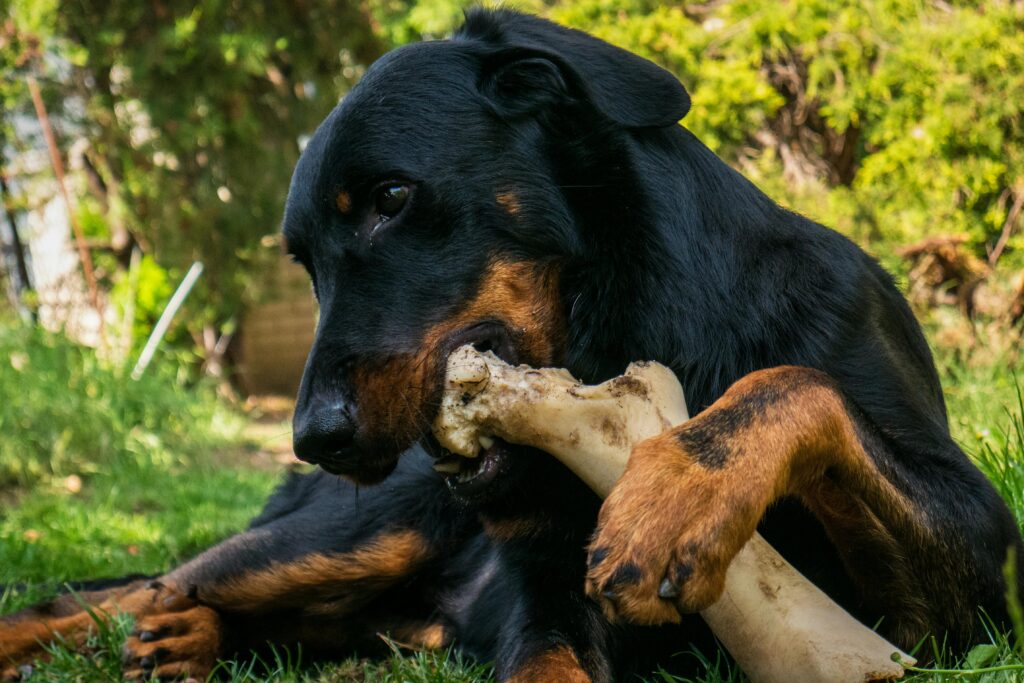
Chew toys are among the most important types of dog toys available. Dogs have a natural instinct to chew, and providing appropriate outlets for this behavior is crucial for their dental health and overall satisfaction.
Types of chew toys include:
- Rubber toys: Durable and often bouncy, these can withstand heavy chewing.
- Nylon toys: These come in various shapes and flavors to keep dogs interested.
- Edible chews: Made from materials like rawhide or specially formulated compounds, these satisfy the urge to chew while being consumable.
Dental chew toys are a subset of chew toys specifically designed to promote oral health. They often have ridges or nubs that help clean teeth and massage gums as the dog chews.
Rope Toys
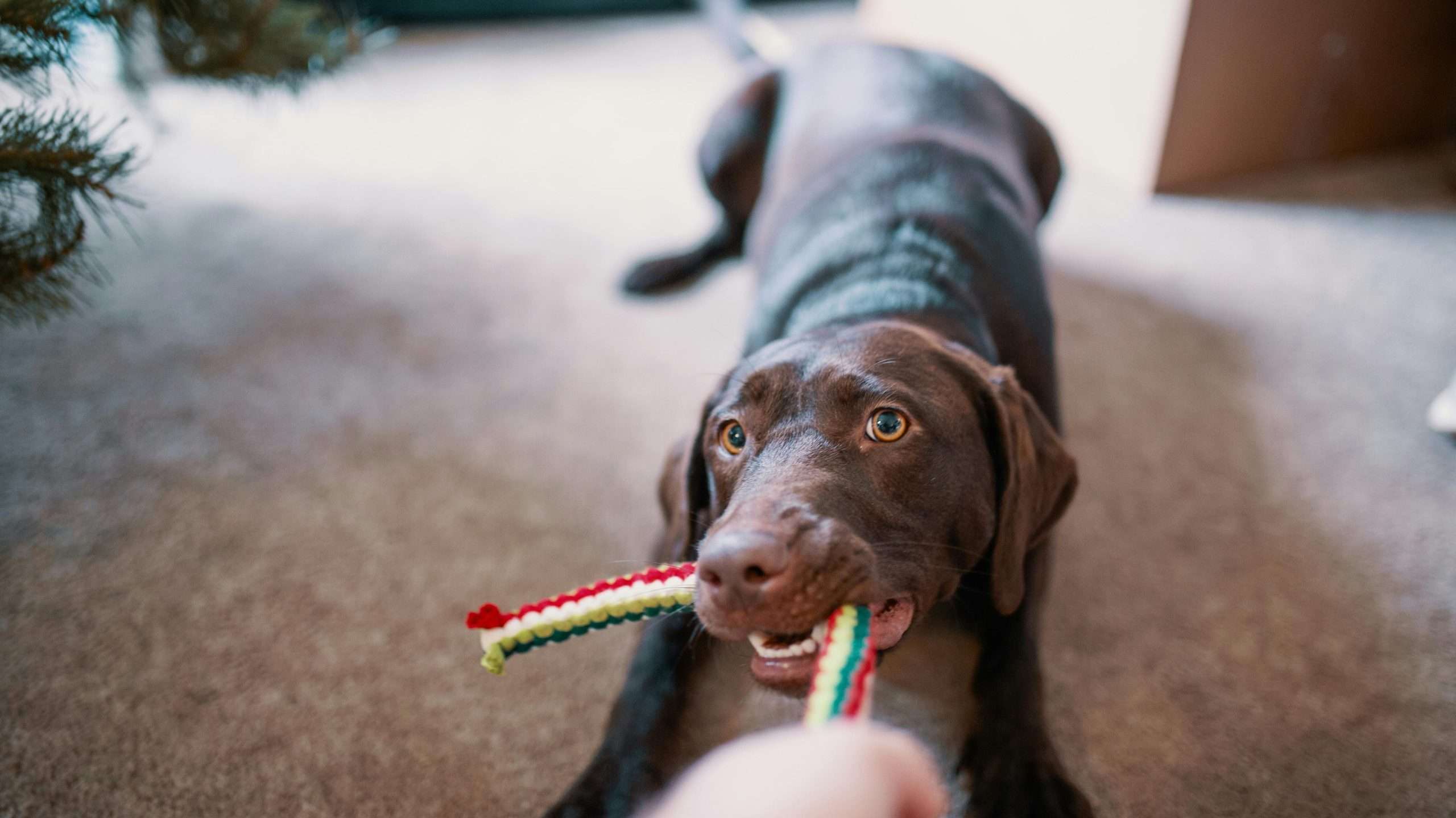
Rope toys are versatile and popular among many types of toy dogs enjoy. They can be used for:
- Tug-of-war games, which provide excellent exercise and bonding opportunities
- Fetch, as they’re easy to throw and carry
- Solo play, as dogs can shake and “kill” the rope toy, satisfying their prey drive
Squeaky Toys
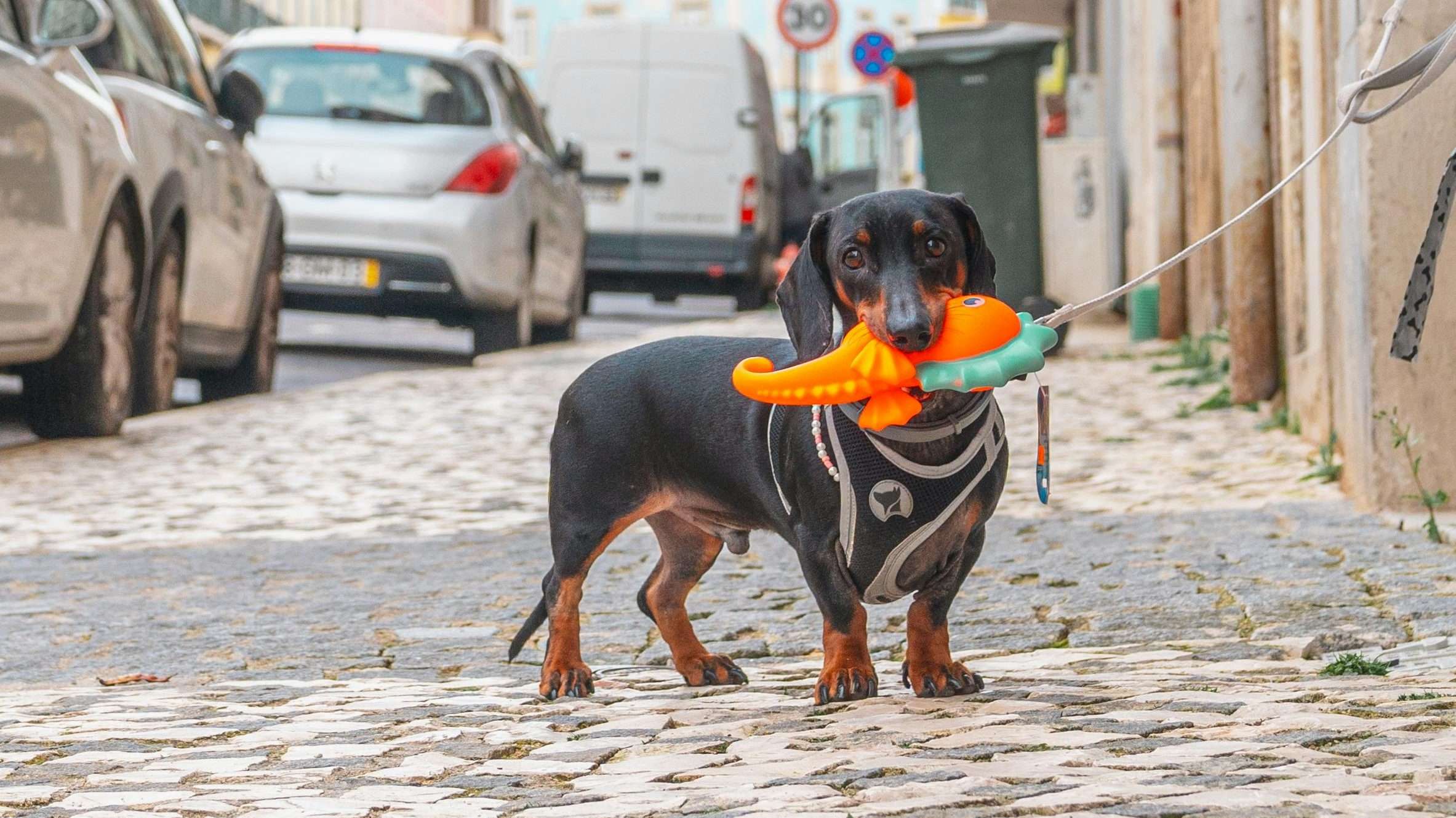
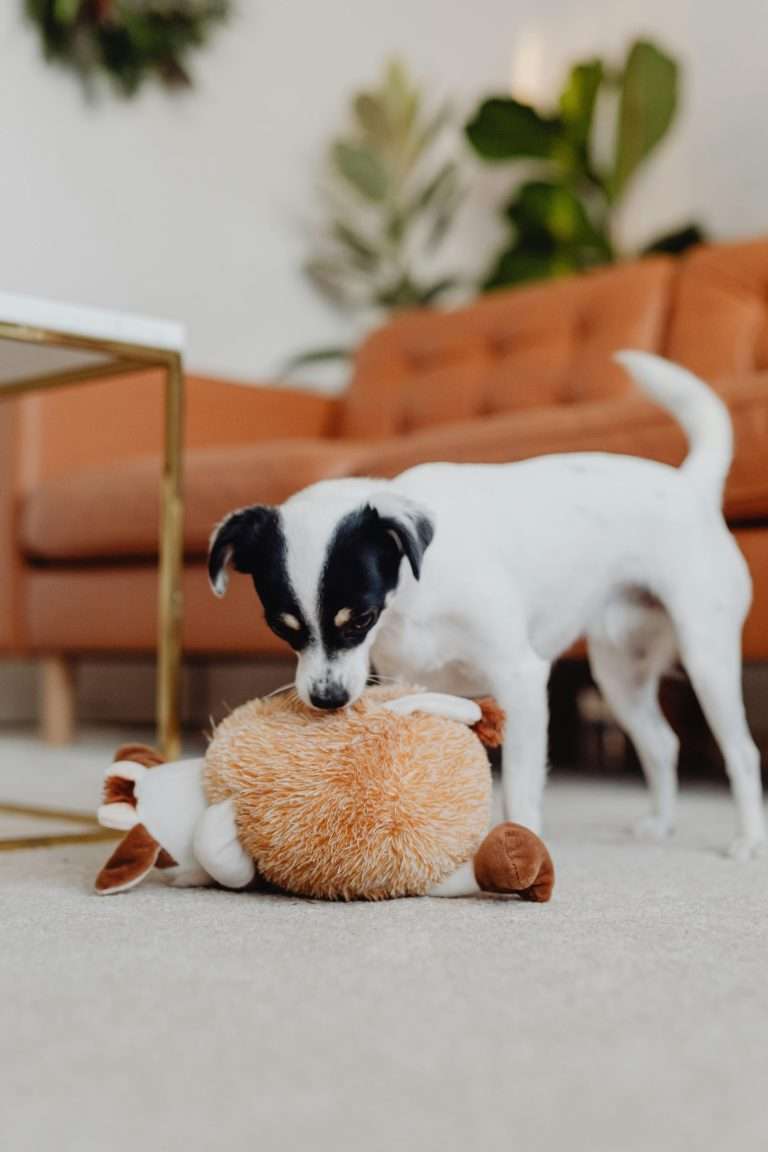
Squeaky toys are irresistible to many dogs. The high-pitched noise mimics the sound of small prey, tapping into a dog’s natural instincts. Different types of squeaky toys include:
- Plush toys with internal squeakers
- Rubber or vinyl toys with squeaker mechanisms
- Combination toys that squeak and can be used for fetch or tug
Interactive Dog Toys
Interactive toys are designed to challenge your dog mentally. These types of dog toys can help prevent boredom and reduce destructive behaviors. Examples include:
- Puzzle toys that require problem-solving to access treats
- Treat-dispensing balls or cubes that release kibble as the dog plays
- Snuffle mats that encourage natural foraging behaviors
DIY interactive toy ideas can be as simple as hiding treats in a muffin tin covered with tennis balls or creating a homemade puzzle box with treats inside.
Ball Toys
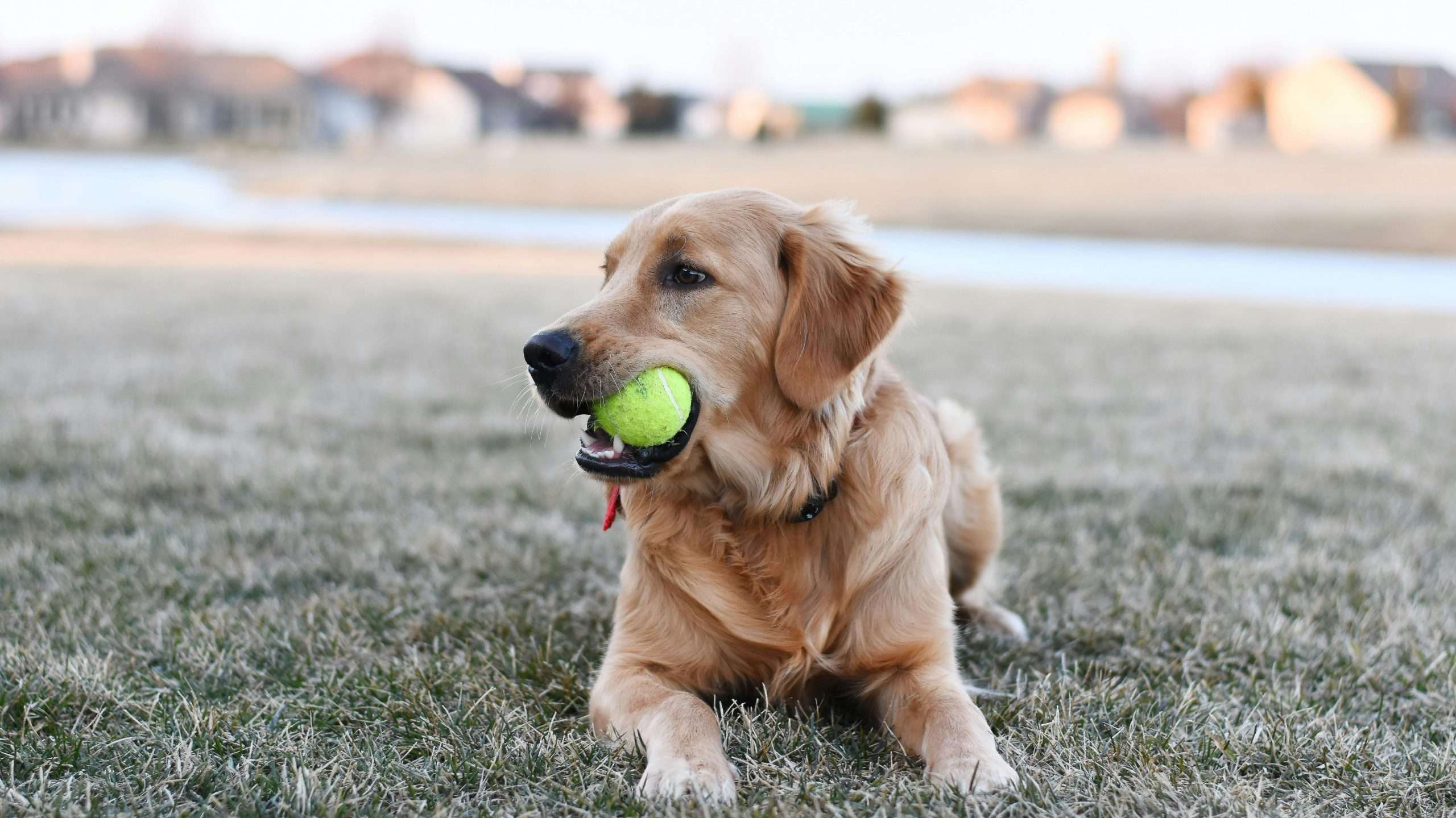
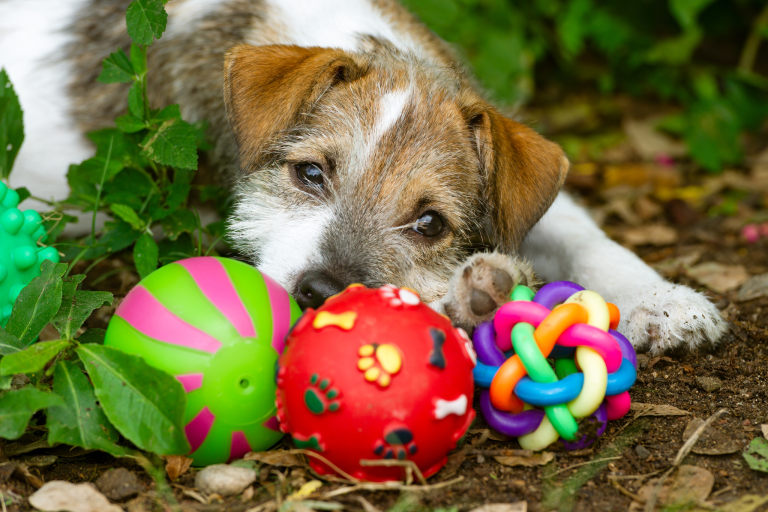
Ball toys are perhaps the most classic of all types of dog toys. Their bouncing, rolling nature taps into a dog’s chase instinct, providing excellent exercise opportunities. Various types of dog ball toys include:
- Tennis balls: A classic choice, though supervision is needed to prevent excessive wear and ingestion of the fuzzy coating.
- Rubber balls: Often more durable than tennis balls and available in various sizes.
- Foam balls: Softer and lighter, ideal for indoor play or for dogs with sensitive mouths.
Choosing the Right Toy for Your Dog
When selecting from the many types of dog toys, consider:
- Size: Toys should be large enough that they can’t be swallowed whole.
- Age: Puppies need softer toys, while adult dogs can handle more robust options.
- Chewing habits: Heavy chewers need more durable toys to prevent rapid destruction.
Safety should always be a top priority. Regularly inspect toys for signs of wear and tear, and replace them when they become damaged to prevent choking hazards.
Benefits of Different Types of Dog Toys
The various types of dog toys offer numerous benefits:
- Physical exercise: Toys that encourage running, fetching, or tugging help keep dogs physically fit.
- Mental stimulation: Puzzle toys and interactive games keep a dog’s mind sharp and engaged.
- Dental health: Chew toys can help clean teeth and massage gums, promoting better oral hygiene.
- Bonding: Playing with toys together strengthens the bond between dogs and their owners.
Related reads:
The Ultimate Guide to Plush Dog Toys: Pros, Cons, and Top Recommendations for Your Canine Companion
Toys for Specific Purposes
Certain types of toys need for particular situations include:
- Teething toys for puppies: Soft, textured toys that soothe sore gums.
- Toys for aggressive chewers: Extra-durable options made from tough rubber or nylon.
- Comfort toys: Soft, plush toys that can provide emotional support, especially for anxious dogs.
Maintenance and Care of Dog Toys
Proper care of dog toys ensures they remain safe and enjoyable:
- Regularly clean fabric toys in the washing machine.
- Sanitize hard plastic or rubber toys with a mild soap solution.
- Inspect toys frequently and replace them when they show signs of significant wear.
Saying Goodbye
The world of different types of dog toys is vast and varied. From chew toys to interactive puzzles, there’s something to suit every dog’s personality and play style. By providing a diverse selection of toys, you can ensure your furry friend stays physically active, mentally stimulated, and thoroughly entertained.
Remember, the best types of toy dogs are those that match their individual preferences and needs. Observe your dog’s play habits and experiment with different toys to find their favorites. With the right selection of toys, you can enhance your dog’s quality of life and strengthen your bond through play.
FAQs
What are the most durable types of dog toys?
Rubber toys, especially those made by brands known for durability, are often the most long-lasting. Look for toys specifically designed for heavy chewers.
How often should I replace my dog’s toys?
Inspect toys regularly and replace them when you notice significant wear, tears, or loose parts. For heavy chewers, this might be monthly, while gentler dogs’ toys may last several months.
What are the best types of toy dogs for puppies?
Puppies benefit from softer chew toys to soothe teething discomfort, as well as smaller, lightweight toys that are easy to carry. Avoid toys with small parts that could be a choking hazard.
![DIY Dog Toys to Keep Them Busy [2024]](https://100dogbreeds.com/wp-content/uploads/2024/07/DIY-dog-toys-featured-768x512.jpg)