Acid Reflux in Dogs: Causes, Treatments, and Foods to Avoid

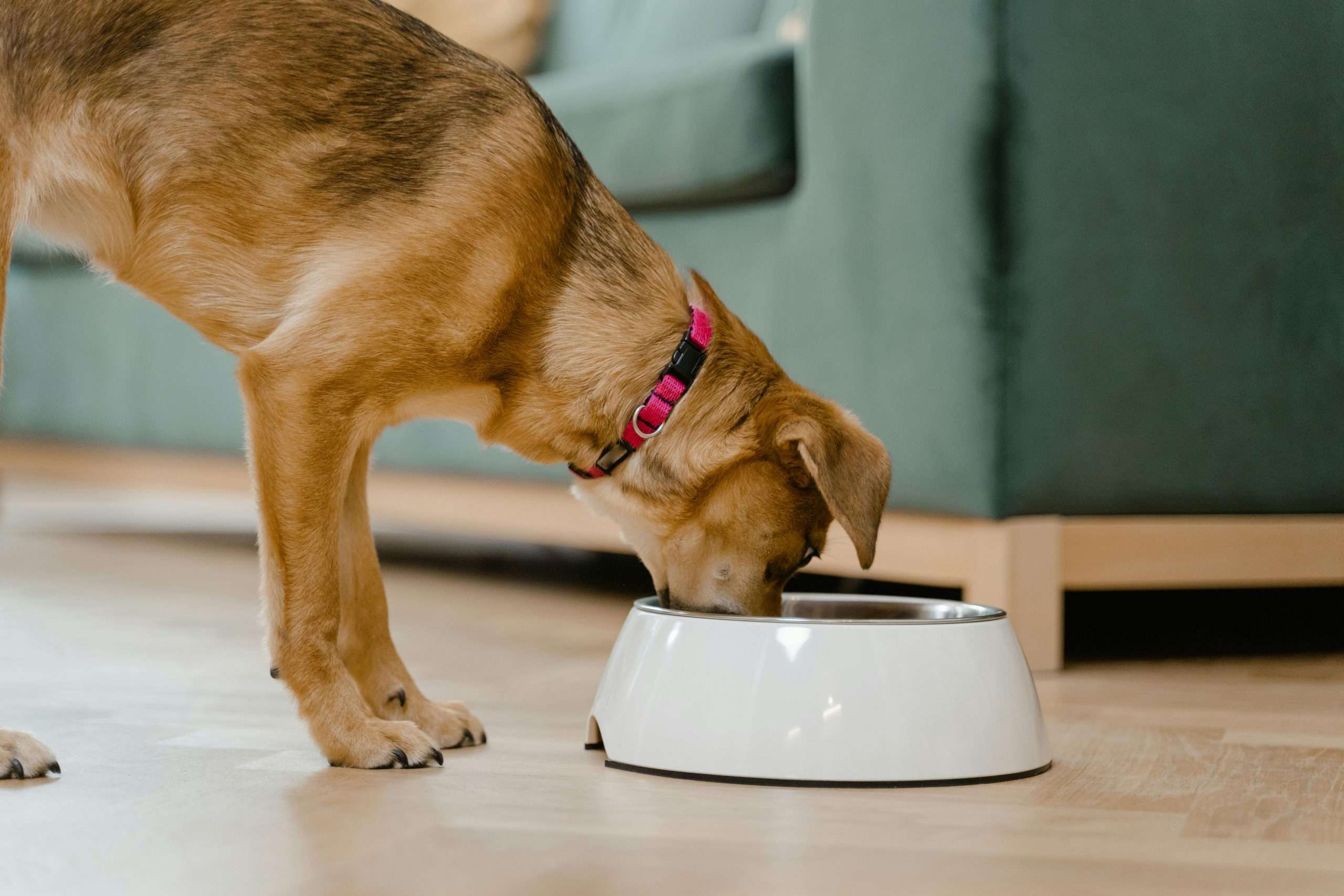
If your dog frequently regurgitates food, vomits yellow bile, or seems uncomfortable after meals, they might be dealing with a common but underdiagnosed issue: acid reflux in dogs. This condition, also known as gastroesophageal reflux, occurs when stomach acid flows back into the esophagus, irritating its delicate lining. Although occasional episodes can be harmless, frequent or chronic reflux can lead to discomfort, esophageal damage, and nutritional deficiencies.
Understanding what triggers acid reflux in dogs, how it presents, and what treatments work best can make a big difference in your pet’s quality of life. In this guide, we cover the symptoms, causes, treatment options, and the kinds of food your dog should avoid if they’re prone to this condition.

What Is Acid Reflux in Dogs?

Acid reflux in dogs happens when the lower esophageal sphincter (LES) – a muscular valve separating the stomach from the esophagus – fails to close properly. This allows acidic stomach contents to travel upward into the esophagus, causing irritation, inflammation, and discomfort. Dogs of all ages and breeds can develop acid reflux, though it’s more commonly observed in puppies, small breeds, and flat-faced dogs (like Bulldogs or Pugs).
Causes of Acid Reflux in Dogs
Several factors can contribute to acid reflux in dogs, including:
1. Dietary Issues
Feeding dogs large, fatty meals or human food that’s spicy, greasy, or rich in dairy can trigger reflux. Low-quality dog food loaded with fillers and artificial additives can also disrupt digestion.
2. Food Allergies and Intolerances
Dogs with food sensitivities may react to common proteins like chicken or beef, or grains like wheat and soy. These allergens can inflame the gut and worsen reflux.
3. Obesity
Extra weight puts pressure on the stomach, which can force acid back up into the esophagus.
4. Underlying Medical Conditions
Conditions like hiatal hernia, brachycephalic airway syndrome, esophagitis, gastritis, and even pancreatitis can increase the risk of acid reflux. Certain medications such as steroids or NSAIDs may also contribute.
5. Eating Too Quickly
Dogs that gobble their food may swallow air along with it, increasing pressure on the stomach.
6. After Surgery
Anesthesia can temporarily weaken the LES, making reflux more likely in the hours or days following a procedure.
Related reads:
10 Important Dog Detox Tips for Better Health
Symptoms of Acid Reflux in Dogs

The symptoms may vary from dog to dog, but common signs include:
- Regurgitation of food or yellow bile
- Lip licking or excessive drooling
- Gurgling stomach noises
- Burping
- Bad breath
- Discomfort or whining after eating
- Eating grass
- Reluctance to eat or being picky
- Coughing or hacking
- Weight loss in more severe cases
If your dog frequently displays these behaviors, it may be time to speak with your vet about possible acid reflux in dogs.
Diagnosing Acid Reflux in Dogs
Veterinarians usually begin with a physical examination and a detailed history of your dog’s symptoms and diet. In some cases, diagnostic tests may be needed:
- pH Monitoring: Measures acid levels in the esophagus.
- X-rays or Ultrasound: Useful for spotting structural abnormalities.
- Endoscopy: A camera inserted into the esophagus and stomach can reveal inflammation, ulcers, or damage.
- Elimination Diet: Helps rule out food allergies by simplifying your dog’s meals.
Treatment Options for Acid Reflux in Dogs
Managing acid reflux in dogs typically involves a combination of dietary changes, lifestyle adjustments, natural remedies, and veterinary care.
A. Dietary Adjustments
1. Feed Smaller, Frequent Meals
Dividing your dog’s daily food into smaller portions spread across the day reduces pressure on the stomach.
2. Avoid High-Fat Foods
Fatty foods slow digestion and increase acid buildup. Choose low-fat dog food designed for sensitive stomachs.
3. Use Easily Digestible Proteins
Proteins like white fish, turkey, or insect-based formulas are easier on your dog’s system compared to red meats.
4. Add Gut-Soothing Ingredients
Ingredients like plain pumpkin, bone broth, and probiotics can help soothe the digestive tract. Pumpkin provides fiber, bone broth offers healing amino acids, and probiotics support a balanced gut microbiome.
B. Natural Remedies

Some dog-safe herbs and natural ingredients may support digestion:
- Ginger: Reduces nausea and acid buildup.
- Marshmallow Root: Coats and protects the esophageal lining.
- Slippery Elm: Helps reduce inflammation and irritation.
- Omega-3 Fatty Acids: Reduce gut and esophageal inflammation.
Always consult your vet before giving your dog any supplements, especially if they are on medication or have a preexisting condition.
C. Medical Treatment
When natural and dietary approaches aren’t enough, a vet may prescribe:
- Acid reducers (e.g., omeprazole or famotidine)
- Prokinetic medications to help the stomach empty more efficiently
- Prescription diets formulated for gastrointestinal sensitivity
D. Surgical Intervention
For dogs with structural issues like a hiatal hernia, surgery may be necessary. This is usually recommended only when other treatments fail and the dog is experiencing significant distress.
Foods to Avoid for Dogs with Acid Reflux
Managing acid reflux in dogs means steering clear of foods that can aggravate the condition. Avoid:
- Fatty meats like lamb or pork
- Dairy products (milk, cheese, cream)
- Spicy foods
- Processed dog treats with artificial flavors or preservatives
- Table scraps, especially greasy or fried foods
- Excessive treats or large meal portions
Stick to a balanced, high-quality diet that’s easy to digest, low in fat, and free from fillers.
Can Puppies Get Acid Reflux in Dogs?
Yes, puppies can be affected due to their underdeveloped digestive systems. Reflux in puppies may also be misinterpreted as vomiting, so it’s essential to observe their symptoms carefully and consult a vet if episodes are frequent.
Final Thoughts
While it may be distressing to see your dog in discomfort, acid reflux in dogs is manageable with the right approach. Paying attention to their diet, monitoring symptoms, and working closely with a vet can significantly improve their digestive health. Whether it’s switching to smaller meals, eliminating trigger foods, or using supportive remedies, each step plays a role in restoring comfort and health.
Your dog deserves a happy, pain-free mealtime experience. With patience and care, managing acid reflux in dogs is entirely within reach.
Frequently Asked Questions
- Can stress cause acid reflux in dogs?
Yes, stress and anxiety can impact digestion and worsen reflux symptoms. - Is it safe to give my dog antacids?
Only under veterinary supervision. Some human antacids are unsafe for dogs. - Will acid reflux in dogs go away on its own?
Mild cases might resolve with dietary changes, but chronic reflux needs proper diagnosis and treatment to avoid complications.