10 Fruits Dogs Can and Can’t Eat


Is that juicy peach safe for Fido? You might be surprised.
Sharing fruits with your dog can be a minefield of hidden dangers. While some can be healthy treats, others could send your furry friend to the vet. Before you toss that apple core or offer a grape, discover the crucial list of fruits dogs can and can’t eat – and those that could be fatal. Your pup’s tail-wagging snack time depends on it.

This article list 10 fruits dogs can and can’t eat. Read on to find out.
Fruits That Dogs Can Eat
Let’s start with the good news! Here are five fruits that are generally safe for dogs to enjoy in moderation:
1. Apples
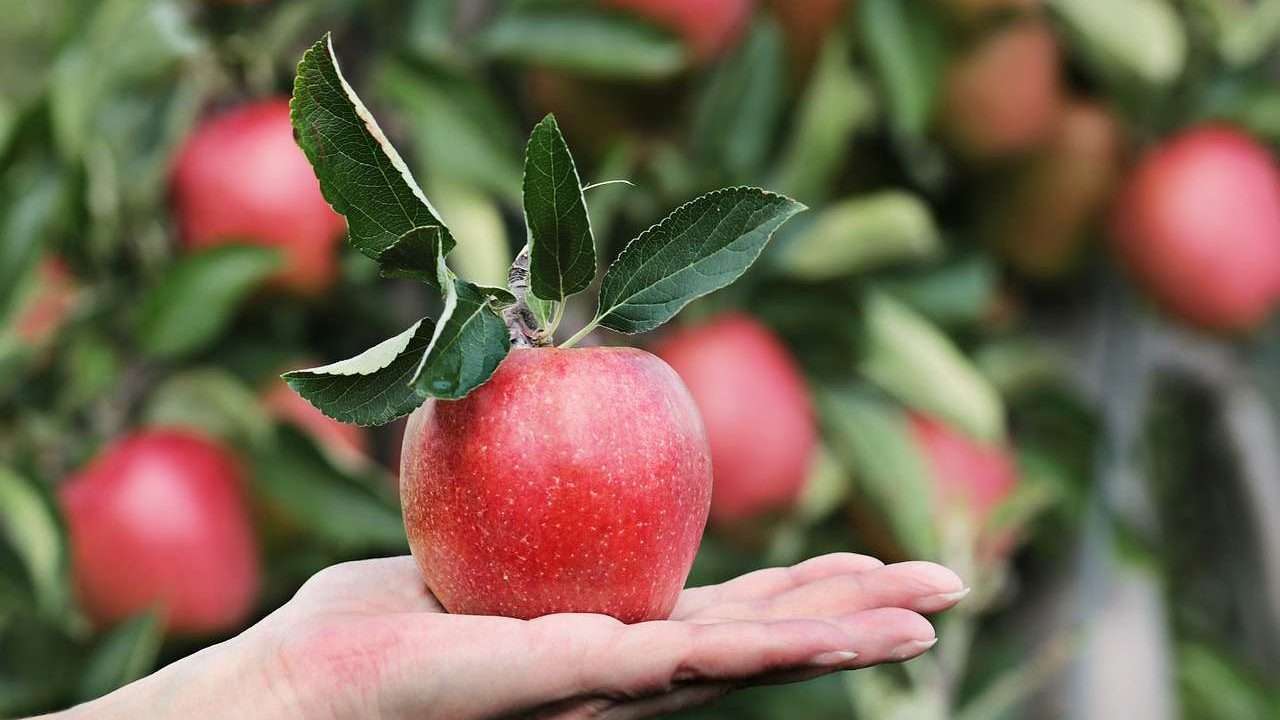
Apples are a great low-calorie snack for dogs. They’re packed with vitamins A and C, as well as fiber. However, always remove the seeds and core before feeding apples to your dog, as they contain small amounts of cyanide.
2. Bananas

Bananas are rich in potassium, vitamins, biotin, and fiber. They’re low in cholesterol and sodium, making them a healthy treat option. However, due to their high sugar content, bananas should be given in moderation.
3. Blueberries
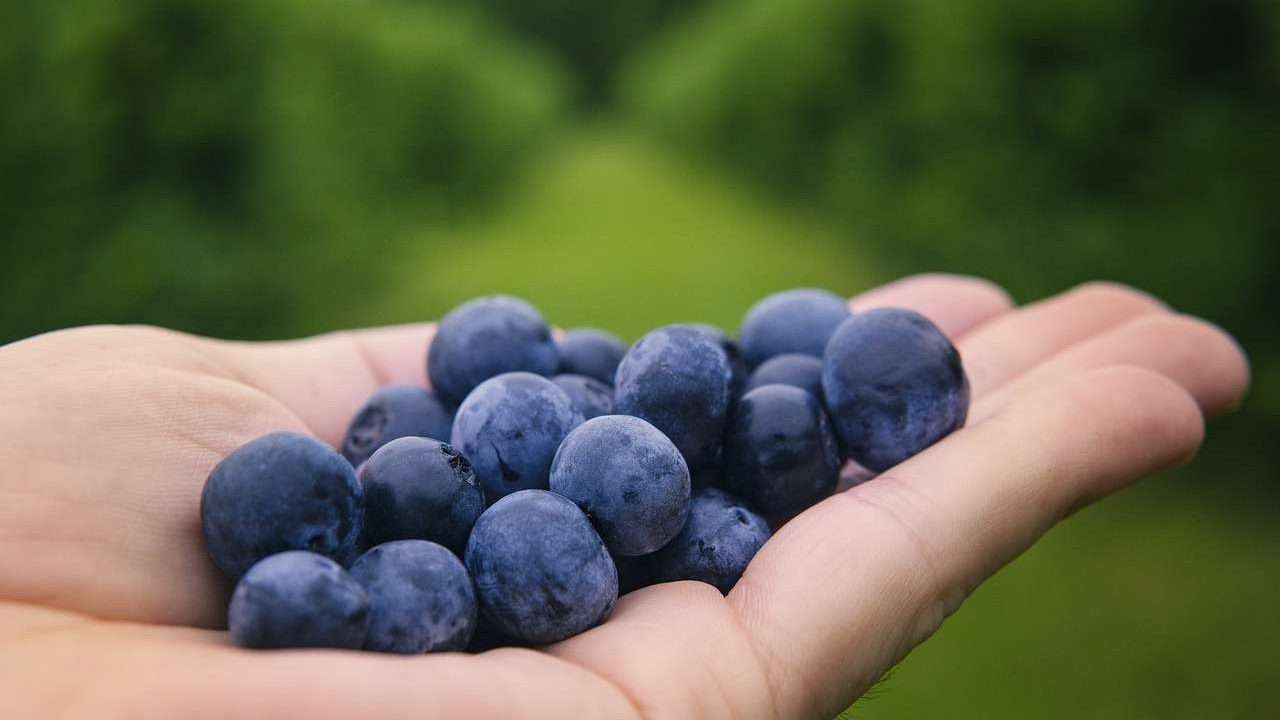
Blueberries are a superfood for both humans and dogs. They’re packed with antioxidants, which help prevent cell damage. They’re also high in fiber and vitamins C and K.
4. Strawberries
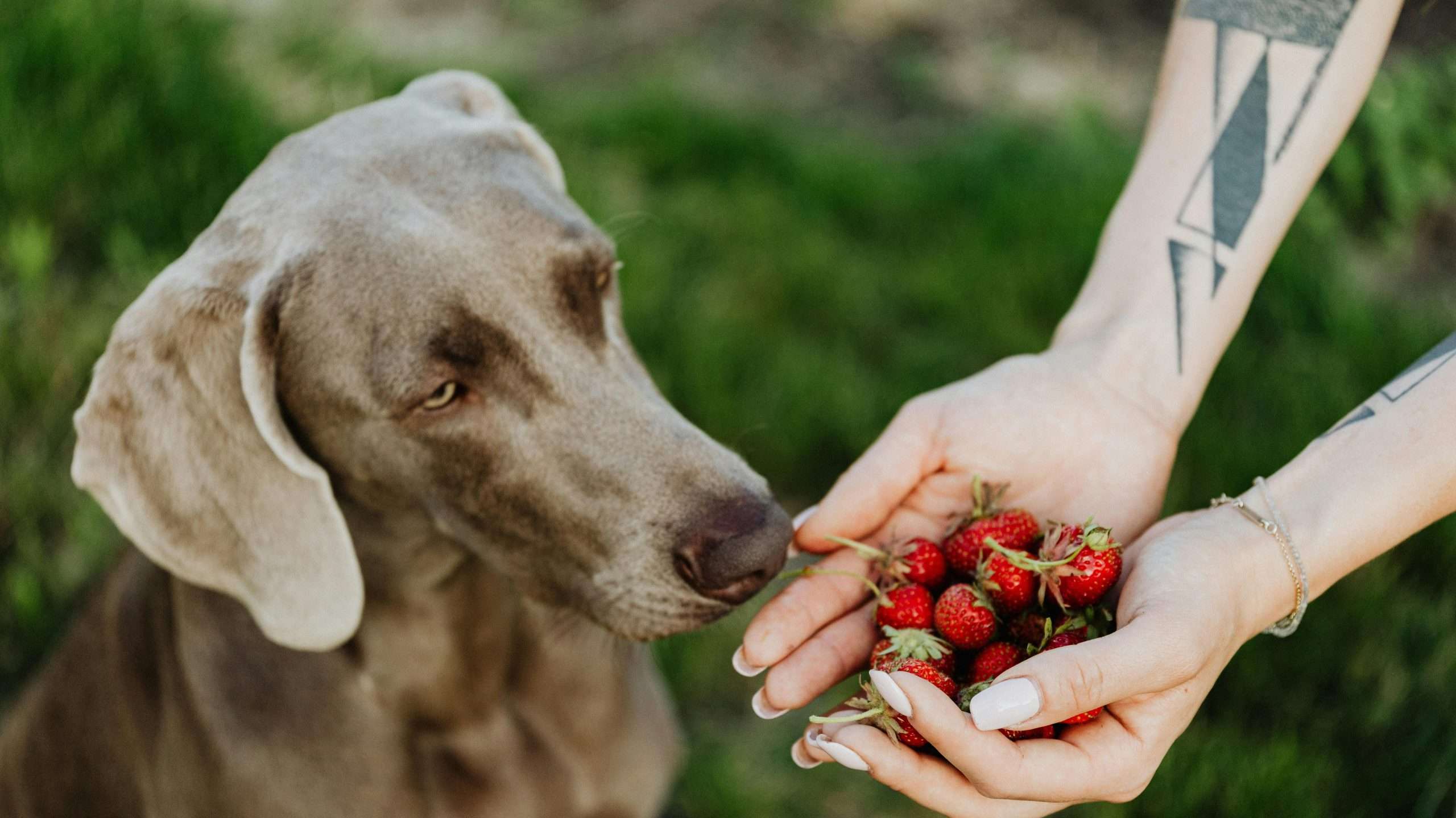
Strawberries are another excellent fruit for dogs. They’re full of fiber and vitamin C. They also contain an enzyme that can help whiten your dog’s teeth as they eat them.
5. Watermelon

Watermelon is a refreshing treat, especially on hot days. It’s low in calories and rich in vitamins A, B6, and C. Just be sure to remove the seeds and rind before feeding it to your dog.
Fruits Dogs Can’t Eat
Now, let’s discuss the fruits dogs can’t eat. These fruits can be toxic or harmful to dogs and should be avoided:
1. Grapes and Raisins
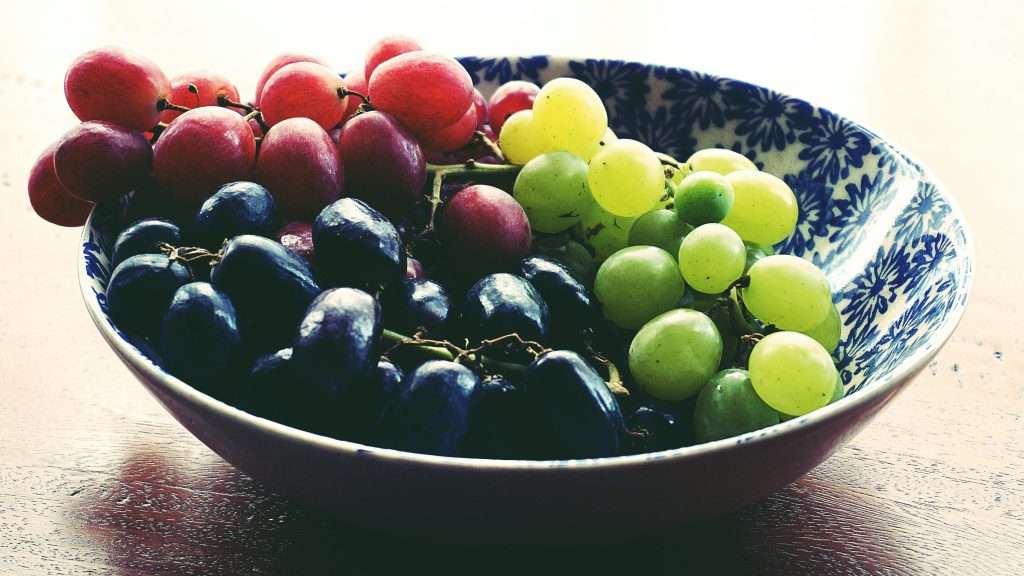
Grapes and raisins are highly toxic to dogs. Even small amounts can cause kidney failure in some dogs. If your dog has consumed grapes or raisins, it’s crucial to seek veterinary care immediately.
2. Cherries
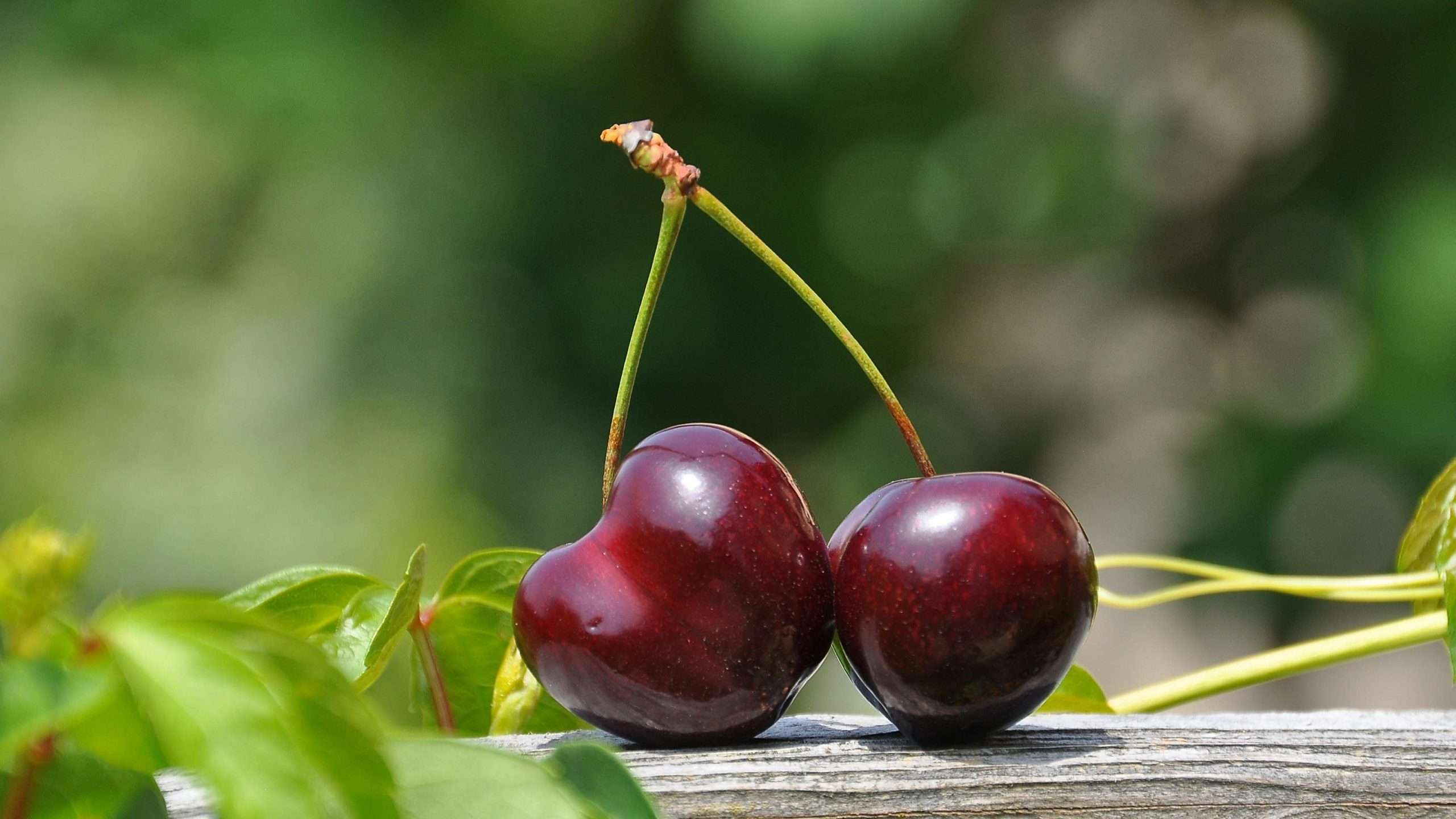
While the fleshy part of cherries isn’t toxic, the pit, stem, and leaves contain cyanide. This can be poisonous to dogs if consumed in large quantities. Additionally, cherry pits can cause intestinal blockages.
3. Avocado
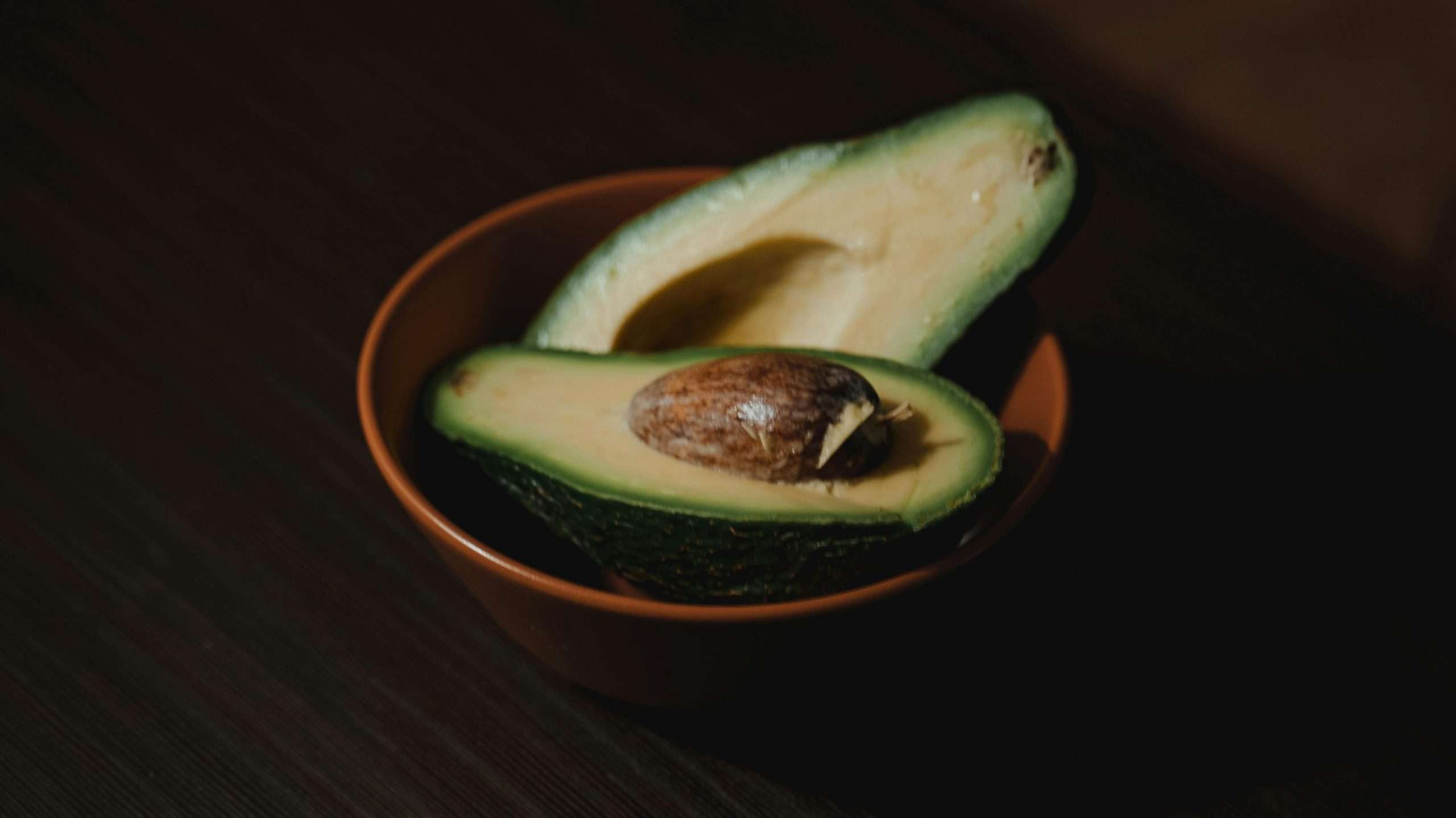
Avocados contain persin, a substance that can cause vomiting and diarrhea in dogs. While the flesh contains less persin than other parts of the fruit, it’s best to avoid feeding avocados to dogs altogether.
4. Citrus Fruits
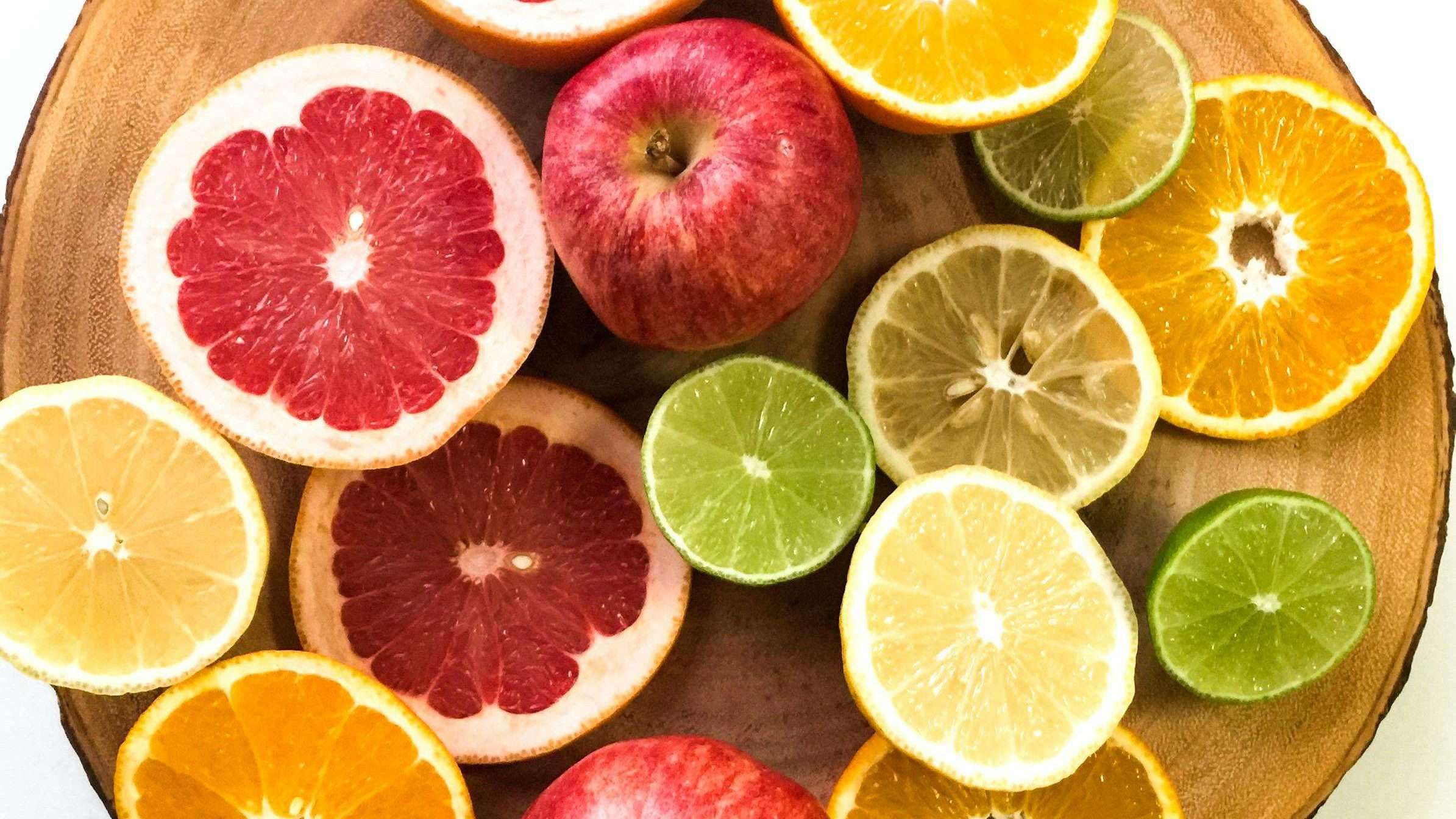
Citrus fruits like lemons, limes, and grapefruits contain citric acid and essential oils that can cause digestive upset in dogs. While small amounts of the fleshy part might not be harmful, it’s best to avoid these fruits.
5. Wild Berries
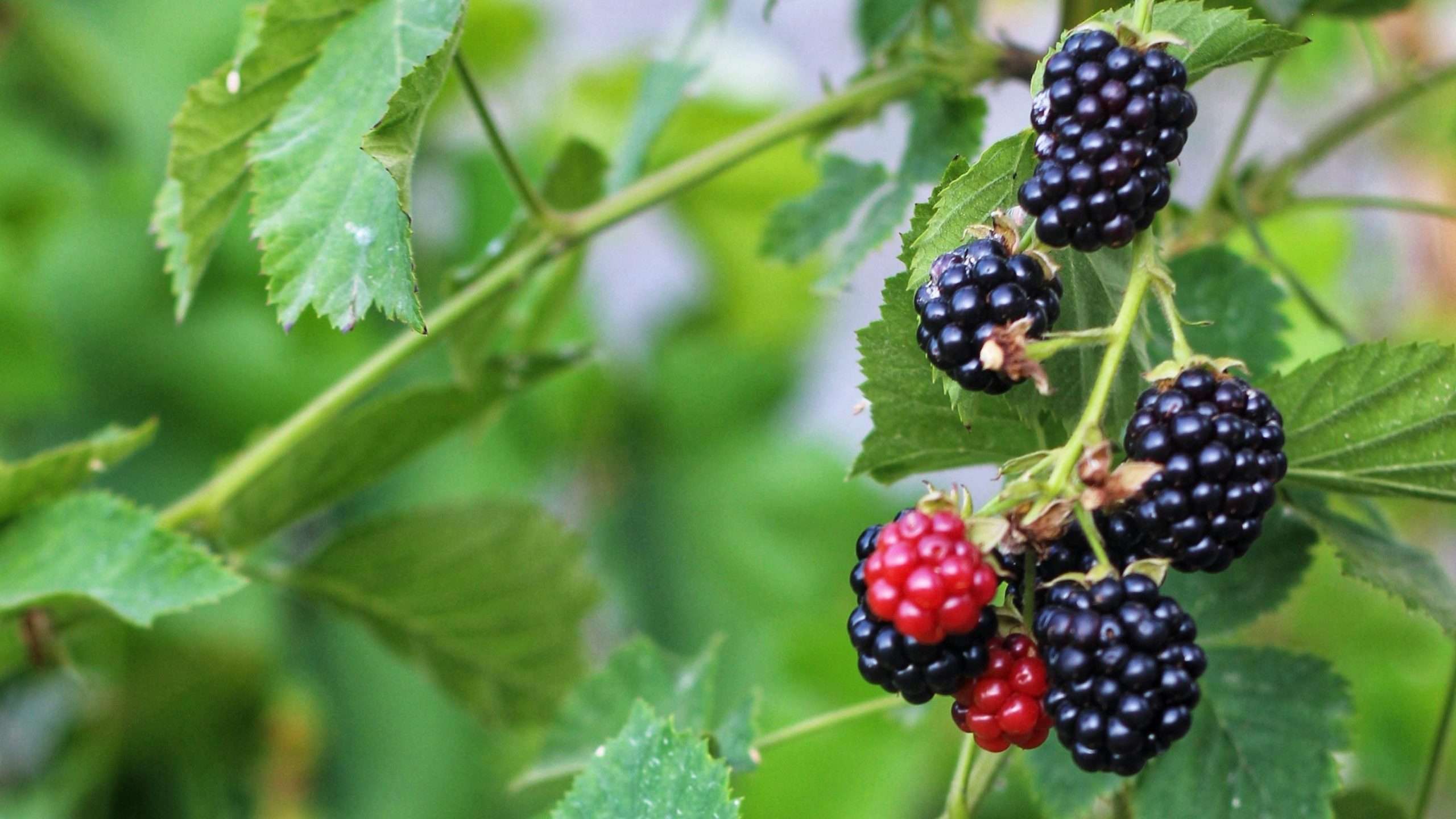
While some berries are safe for dogs, it’s best to avoid feeding them wild berries. Some wild berries can be toxic, and it can be difficult to identify safe varieties.
Benefits of Feeding Dogs Safe Fruits
When given in moderation, safe fruits can provide several benefits to your dog:
- Nutritional value: Fruits are packed with vitamins, minerals, and antioxidants that can support your dog’s overall health.
- Hydration: Many fruits have high water content, helping to keep your dog hydrated.
- Dental health: Some fruits, like apples, can help clean your dog’s teeth as they eat.
- Weight management: Low-calorie fruits can be a healthy alternative to high-calorie dog treats.
Risks of Feeding Dogs Unsafe Fruits
Feeding your dog unsafe fruits can lead to various health issues:
- Toxicity: Some fruits, like grapes, can be toxic to dogs and cause severe health problems.
- Digestive issues: Even safe fruits, if given in large quantities, can cause stomach upset, vomiting, or diarrhea.
- Choking hazards: Fruit pits and seeds can pose choking risks or cause intestinal blockages.
- Allergic reactions: Some dogs may be allergic to certain fruits, leading to symptoms like itching or swelling.
How to Safely Serve Fruits to Dogs
When introducing fruits dogs can eat into your pet’s diet, follow these guidelines:
- Start small: Introduce new fruits gradually to see how your dog reacts.
- Remove seeds and pits: Always remove any seeds, pits, stems, and rinds before feeding fruit to your dog.
- Cut into small pieces: This reduces the risk of choking and makes the fruit easier to digest.
- Moderation is key: Fruits should only make up a small portion of your dog’s diet. Follow the 10% rule: treats, including fruits, should not exceed 10% of your dog’s daily caloric intake.
- Watch for reactions: Monitor your dog for any signs of allergic reactions or digestive upset after introducing a new fruit.
Saying Goodbye!
Understanding which fruits dogs can and can’t eat is crucial for every pet owner. While many fruits can be safe and healthy treats for your canine companion, others can pose serious health risks. Always introduce new fruits gradually and in moderation, and be vigilant about removing any potentially harmful parts like seeds, pits, or rinds.
Remember, while fruits can be a nutritious supplement to your dog’s diet, they should never replace a balanced, specially formulated dog food. If you’re ever unsure about whether a particular fruit is safe for your dog, it’s always best to consult with your veterinarian. They can provide personalized advice based on your dog’s specific health needs and dietary requirements.
By being informed about the fruits dogs can and can’t eat, you can safely incorporate these nutritious treats into your pet’s diet, contributing to their overall health and happiness.
Hope this article on fruits dogs can and can’t eat helped you. Check out our other blogs too!
FAQs About Fruits Dogs Can and Can’t Eat
Can dogs eat oranges?
Yes, dogs can eat small amounts of orange flesh, but avoid giving them the peel, which can be difficult to digest.
Are tomatoes safe for dogs?
Ripe tomatoes are generally safe in small quantities, but green parts of the plant contain solanine, which can be harmful.
Can dogs eat pineapple?
Yes, small amounts of pineapple flesh can be a healthy treat for dogs. Remove the spiky skin and core before serving.
Is it safe for dogs to eat peaches?
The flesh of peaches is safe for dogs, but always remove the pit as it contains cyanide and can be a choking hazard.
Can puppies eat fruit?
Puppies can eat safe fruits in moderation, but it’s best to consult with your veterinarian before introducing new foods into their diet.

![5 Most Common Dog Digestive Issues – [With Remedies]](https://100dogbreeds.com/wp-content/uploads/2024/06/dog-digestive-issue-768x576.jpg)
![Tips to Prevent Dehydration and Heat Stroke in Dogs [2024]](https://100dogbreeds.com/wp-content/uploads/2024/09/heat-stroke-in-dogs-768x512.jpg)